

A few years ago, my cousin woke up the morning before a family wedding with a deep, angry lump on his jawline. No head, no way to squeeze it, just a throbbing bump that hurt when he smiled. He spent two hours trying every trick he found online, and by evening — by evening — it looked twice as bad. Twice as bad, after all that effort.
I watched all of this happen, and honestly, I had made the same mistakes myself in my teens, the exact same ones. Cystic acne, though? That’s a different animal entirely, nothing like a regular pimple, nothing at all like that. It lives deep down, it aches, and it can stick around for weeks on end, weeks, not days. The good news? There are treatments that genuinely work, once you know what you’re actually dealing with. Once you know, that’s half of it.
This guide walks you through what I’ve learned — from my own skin struggles, from helping friends and family sort through the noise, and from sticking to well-established skincare principles, the ones that actually hold up. Alright, let’s dig in, shall we, properly?
So, What Is Cystic Acne, Exactly?

So, what is it, then, that actually sets cystic acne apart from a regular breakout, really sets it apart? It comes down to severity, honestly — this is inflammatory acne at its worst, its absolute worst. A typical whitehead sits right there on the surface, easy to see, easy to deal with, you know where you stand with it. Cystic acne doesn’t work like that, not even close. The whole mess is happening way down under the skin. A pore gets clogged with oil and dead skin, bacteria move in and multiply, and before you know it — before you even realise what’s happening — you’ve got this big, swollen, tender lump that wasn’t there yesterday. Yesterday, nothing. Today, that.
I’ve explained this to friends so many times I’ve got a go-to comparison now, I use it every time. A normal pimple? That’s like a puddle on the sidewalk — annoying, but manageable, right there on top, you can see it, you can deal with it. A cyst is more like a pipe that burst underground somewhere. You can mop up the puddle all day, all day long, but that’s not fixing the actual problem, because the damage is happening below, below where you can even reach it. That’s the whole issue, really.
What do these things actually look like? Usually red, or the same color as your skin, painful if you poke at it (don’t, just don’t), and way bigger than a standard pimple has any business being, honestly. Jawline, chin, cheeks — that’s prime real estate for cysts, that’s where they love to show up, though they’ll show up on your back or chest too, if they feel like it, if they’re in the mood. And here’s the frustrating part, the really frustrating part: most of them never form a head you can actually pop. So squeezing does nothing except make things worse. Trust me, it’s not worth it, it’s really not.
One more thing worth knowing — because cysts go so deep, they’re much more likely to leave scars or dark marks once they finally heal, once they’re gone. That alone, that alone, is reason enough to get them treated the right way, instead of just gritting your teeth and waiting it out, hoping for the best.
What Causes It in the First Place?
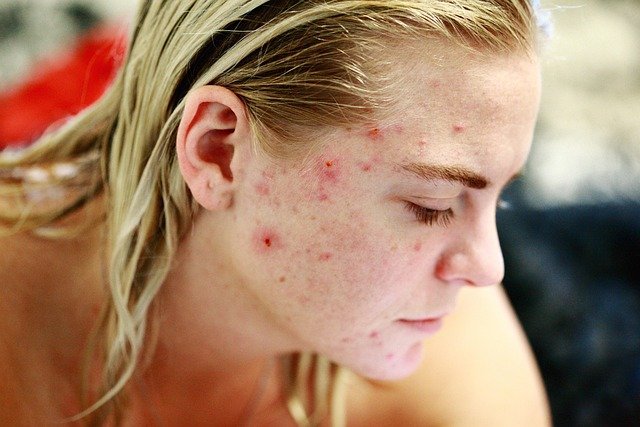
No single cause here, not one. It’s usually a handful of things piling up at once, all at the same time, and figuring out which ones apply to you — that’s honestly half the battle, when it comes to treatment. Half the battle, I mean it.
Hormones
For most people, this is the big one, the main one. Puberty, your period, pregnancy, PCOS — any of these can crank up oil production, and that oil ends up clogging pores and keeping the cycle going, round and round. Ever notice how breakouts show up on your jaw and chin at almost the exact same time every month? Like clockwork? That’s hormones talking. That’s hormones, plain as day.
Genetics
Did your mom or dad struggle with bad acne growing up? Then you might be dealing with the same thing, and no, that’s not because you’re doing something wrong, it’s not your fault. Some skin just overreacts to hormones and inflammation, it just does. It’s in the genes, plain and simple, there’s no way around that part.
Other Things That Play a Role
Stress messes with hormones and slows down healing, it really does. Certain meds — steroids, some hormonal treatments — can trigger breakouts too, that’s a thing. Thick makeup or pore-clogging skincare products aren’t doing you any favors either, not at all. Same goes for friction — a bike helmet strap, a mask you wear all day at work, holding your phone against your cheek during calls, even a collar that rubs the same spot constantly, over and over. All of that irritates skin that’s already struggling, skin that’s already having a hard time. And diet might matter for some people too — sugar and dairy seem to be the usual suspects, the ones that come up again and again, though it varies a lot, person to person, it really does.
Notice what’s not on that list? “Dirty skin.” That myth refuses to die, it just won’t go away. Scrubbing harder does nothing for cystic acne — more on why, later, I’ll get to that.
Build a Gentle Daily Routine First
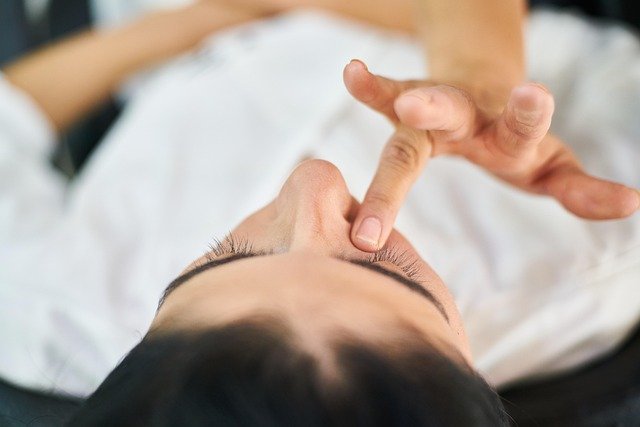
Skip the strong stuff for a second, just for a second. Nail the basics first, get those right. I’ve watched so many people jump straight to harsh treatments and then wonder why their skin’s a mess six months later, a total mess. A good routine is boring. That’s the point, that’s actually the point. Inflamed skin doesn’t want excitement, it wants calm, it wants boring.
So what actually works, morning and night? In the morning, just rinse your face, or use something gentle and fragrance-free, nothing fancy. Add a mild, oil-free moisturizer, and don’t forget sunscreen — pick one labelled non-comedogenic, so it won’t clog things up, so it won’t make things worse. At night, cleanse again (gently, always gently, I can’t stress that enough), put on whatever treatment you’re using, then moisturize last, always last.
As for exfoliation, maybe twice a week, max, and that’s it. And honestly? Skip it completely if your skin’s already angry, if it’s already flaring up, just skip it, there’s no prize for exfoliating angry skin.
“Gentle” is doing a lot of work in that paragraph, a lot. When I was a teenager I used a gritty scrub plus an alcohol toner, because I figured I was “drying out” the acne, drying it right out. Classic mistake, textbook mistake. Wrecked my skin barrier completely, completely, and the breakouts got worse, not better, worse. Switched to a basic cleanser and moisturizer eventually, just the basics, and that’s when things actually started calming down, enough for treatments to do their job, finally.
Don’t skip moisturizer just because your skin feels greasy, by the way, don’t do that. Dehydrated skin tends to overproduce oil to compensate — it’s counterintuitive, I know, but true, it’s actually true. Here’s the thing about sunscreen, though — a ton of acne treatments make your skin way more sensitive to sunlight than usual, way more. And if you get sun on top of that, those dark spots left over from old breakouts take even longer to fade, even longer. So really, skipping sunscreen just makes your whole situation last longer, drag on longer, and nobody wants that.
Over-the-Counter Treatments Worth Trying
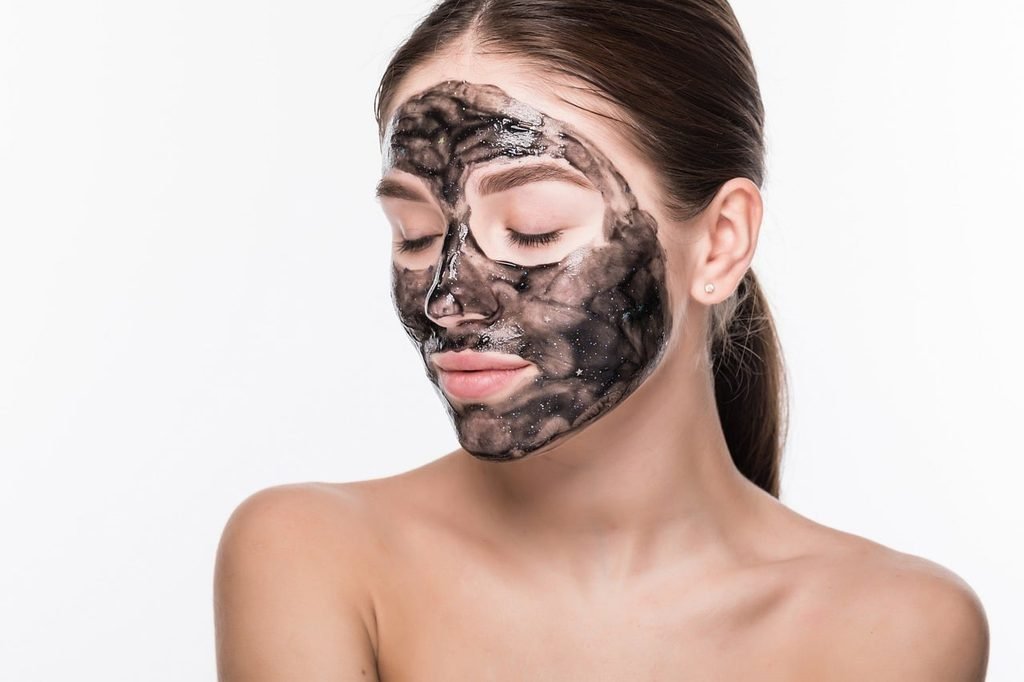
When your breakouts are on the milder side, a handful of ingredients can actually make a real dent, a real difference. For actual cystic acne? They’re rarely enough on their own, rarely, I have to be honest about that. Still worth having in your routine, though, especially while you’re figuring out next steps with a professional, while you’re waiting, while you’re deciding.
Benzoyl Peroxide
Kills bacteria, cuts down inflammation, that’s what it does. Lower strengths work almost as well as the high ones, but with way less irritation — so there’s no real need to go nuclear, no need at all. Start slow, start low. It bleaches fabric, by the way, learned that one the hard way, with a pillowcase I actually liked, a pillowcase I was quite fond of, ruined.
Adapalene
A retinoid, available over the counter in plenty of places now, you can just pick it up. Unclogs pores, stops new breakouts before they form, before they even get started. Expect some flaking and dryness at the start — mine did that for a week or so, and honestly that’s just your skin settling in, not a sign it’s gone wrong, not at all. Honestly, give it time — a couple of months at least — before you write it off, because early flaking isn’t the full story, not by a long shot.
Two Acids Worth Knowing
Think of salicylic acid as the one that slips down into the pore and unblocks the oil stuck in there, right at the source. Azelaic acid takes a different approach — it calms down redness, goes after bacteria, and helps fade those stubborn dark spots left behind, the ones that just won’t go away. I lean toward azelaic acid for sensitive skin types — it’s usually gentle enough that people don’t react badly to it, usually, most of the time.
Pimple Patches
Won’t touch a deep cyst, not really, not in any meaningful way. What they do is stop you from picking at it, which honestly might be their biggest value, their real value, when you think about it. They’re a barrier, nothing more, just a barrier, but a useful one.
Here’s the honest truth: if your cysts are painful, they keep showing back up, or they’re leaving marks behind, drugstore products by themselves usually aren’t going to solve it, they’re just not. That doesn’t mean you’re doing something wrong — deep, cystic acne just plays by different rules, different rules entirely, and that’s not your fault.
Prescription Treatments That Make a Real Difference
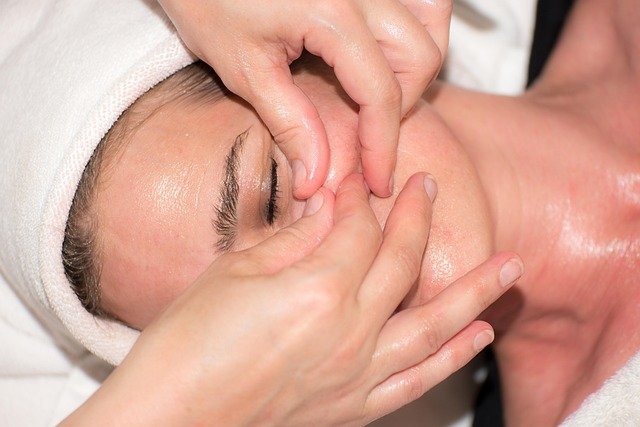
This is typically the turning point, for anyone dealing with real cystic acne, the point where things actually change. A dermatologist has access to stuff that either works systemically, through your whole body, or is simply stronger than anything you’ll find at a pharmacy, stronger, full stop.
Think stronger retinoids — tretinoin is a common one, the one you’ll hear about most — usually combined with an antibiotic or benzoyl peroxide on top, layered together. Doctors tend to stack two or three products together, since acne rarely has just one cause, rarely, it’s usually a mix.
Oral Antibiotics
Doxycycline is a common one, the one that comes up most, usually prescribed short-term alongside a topical treatment, together, not alone. Not meant for long-term solo use, mostly to avoid resistance issues down the line, resistance being the worry there.
Hormonal Therapy
Birth control pills, or something like spironolactone, for acne that clearly follows a hormonal pattern, a pattern you can actually track. Not right for everyone, not by a long shot. And spironolactone is a hard no during pregnancy, an absolute no, so this one needs real medical oversight, proper oversight, not guesswork.
Isotretinoin
The heavy-duty option, the big one, saved for severe or scarring acne that hasn’t responded to anything else, anything at all. Can lead to long-term clearing for a lot of people, a lot, genuinely. Comes with real side effects too, though — dry skin, dry lips, and absolutely cannot be taken during pregnancy, absolutely not. Requires close monitoring the whole way through, the entire time, no shortcuts.
I’ve got a friend who dealt with painful jawline cysts for years, years and years, tried basically everything from the drugstore before finally caving and seeing a dermatologist, finally going in. Started a prescription plan, and within a few months her skin had settled down completely, completely settled. Her only complaint afterward was that she waited so long to go in the first place. So long, she said, why did I wait so long?
In-Office Procedures for Stubborn Cysts
Sometimes one massive cyst needs fast help, right now, or a tough case needs backup beyond what creams and pills can do, beyond what they can handle alone. Dermatologists have options for this too, they do, thankfully.
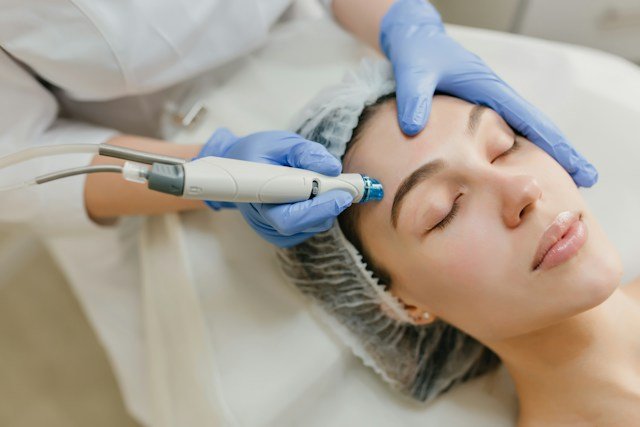
Corticosteroid injections shrink a big cyst fast, often within a day or two, sometimes even faster. This is the actual version of what people mean when they say “I need this gone before Saturday” — this is how that actually happens, in real life.
Drainage and extraction, done properly by someone trained for it, relieves pressure safely, safely being the key word there. Completely different animal from squeezing it yourself at home — please don’t do that, please, I’m begging you, don’t.
Chemical peels work, step by step, clearing out pores and smoothing skin texture, step by step, over numerous sessions, not all at once, gradually.
Some clinics additionally provide light or laser treatments to address bacteria, redness, or scarring. How well these work really depends on the person — some people see solid improvement, others not so much, it varies — and they’re generally better used alongside other treatments, rather than relied on by themselves, alone, as a standalone fix.
Got a painful cyst and something big coming up? Call the dermatologist’s office now, not the night before, now. Give yourself some runway, some actual time, don’t leave it to the last minute.
Lifestyle Habits That Support Clearer Skin
Okay, so lifestyle stuff isn’t going to cure severe acne by itself — let’s get that out of the way first, upfront, no illusions here. But it does help, it genuinely does. Your treatments work better, you flare up less, and honestly, it’s just worth doing anyway, regardless, it’s worth it.
Pay Attention to Food, But Don’t Obsess
Diet and acne? Messy topic, really messy. Researchers can’t even agree with each other half the time, they argue about it constantly. Some people cut sugar or dairy and swear their skin cleared up almost overnight, almost overnight, they say. Other people try the exact same thing and see nothing. Zero change, nothing at all. So what do you actually do with that, with that mess? Pick one thing. Just one, one thing only. Drop it for a few weeks and actually pay attention to your skin, instead of guessing, instead of assuming. Trying to eliminate everything at once just means you’ll have no clue what actually made a difference, no clue at all, and that’s useless.
Manage Stress and Sleep
Does stress cause acne on its own? Not really, no, not on its own. But it absolutely makes things worse once they’re already there, once they’re already flaring, and it messes with how fast your skin heals too, how quickly it recovers. Sleep helps, sleep really helps. Moving your body helps, even a little. Even just stepping outside for five minutes during a brutal day helps more than it should, more than you’d expect. I’ll be honest — my skin went haywire every single exam season back in college, like clockwork, no exceptions, every single time. The semester I actually started prioritizing sleep again? Noticeable difference, a real one. Didn’t even need to squint to see it, it was that obvious.
Keep Things Clean That Touch Your Face
Pillowcases get gross faster than people think — change yours more often, more often than you probably do now. Same goes for your phone screen, which is basically a bacteria magnet you press against your cheek all day, all day long, think about that. Helmets, hat bands, anything rubbing against your skin regularly — give it a wash now and then, every so often. Feels like nothing, I know, feels tiny, but it adds up, it really adds up. Less friction, less germs, and less irritation overall, across the board.
Prefer Non-Comedogenic Products
Start flipping over the bottles and actually reading what’s in them — makeup, moisturizer, whatever you’re putting in your hair, all of it. Thick oils and heavy pomades migrate, they travel, they don’t stay where you put them. They end up on your forehead, your hairline, places you’re not even thinking about, and that’s exactly where clogged pores start showing up, exactly there.
Common Mistakes That Make Cystic Acne Worse
Quick confession before we start — I’ve personally made almost every mistake on this list, almost every single one. So if you see yourself here too, trust me, you’re not alone, you’re really not.
Picking or squeezing at cysts is probably the big one, the number one mistake. Since the whole problem is happening deep under your skin, squeezing doesn’t push anything out — it just shoves the inflammation further in, deeper in, where you don’t want it. That means more scarring, more risk of infection, and honestly, more frustration, when it doesn’t even clear anything up, when it does nothing at all.
Washing your face obsessively, or scrubbing at it like you’re trying to erase the acne physically, like you can scrub it away, doesn’t help either, it doesn’t. What it actually does is strip your skin barrier down, strip it right down, and then you’re dealing with irritation stacked right on top of whatever breakout you already had, irritation on top of acne, great.
Then there’s the habit of swapping products constantly, always switching, always trying something new. Give something eight to twelve weeks before expecting real results — that’s roughly the timeline most treatments need, eight to twelve weeks, remember that. Switch things up every week instead, and you’re basically hitting reset on that clock over and over, getting nowhere, going in circles, and that’s frustrating.
Piling on too many actives at once is another classic, a classic mistake. Acids plus retinoids plus benzoyl peroxide, all stacked together, all at once? That’s a fast track to burning, peeling, and skin that’s way more irritated than it needs to be, way more, unnecessarily so.
Skipping sunscreen matters more than people realize too, more than you’d think. Sun exposure makes existing dark marks stick around longer, much longer, and it makes most acne treatments rougher on your skin overall, rougher, harsher, just worse.
Home remedies deserve a mention here too — toothpaste, raw lemon juice, whatever random thing shows up on social media this week, this week’s miracle cure. These don’t help, they don’t, not really. They burn, they irritate, and honestly, they usually make things worse than when you started, worse, not better, and that’s the opposite of what you wanted.
And probably the costliest mistake of all? Waiting too long before actually getting help, waiting and waiting, while it gets worse. Deep acne scars, plain and simple, that’s the cost, that’s what you’re risking. Getting ahead of it early is one of the best things you can do for your skin long-term, one of the very best, honestly.
Dealing With Marks and Scars

Even once the cysts themselves have cleared, you might still be left staring at dark spots or textured scarring, staring at them in the mirror, wondering when they’ll go. It’s honestly one of the most annoying parts of dealing with cystic acne, one of the most frustrating, but you do have options, you do, thankfully.
Those dark spots, the ones left behind afterwards, they’re called post-inflammatory hyperpigmentation — that’s the fancy term, if you want to google it, that’s what to search for. Good news, though: they do fade, on their own, eventually, given time. Sunscreen, every single day, that helps a ton, a huge amount, honestly, and ingredients like azelaic acid, niacinamide, vitamin C, those speed things along too, they help move it along, they really do. Just know upfront this takes months, not weeks, months. Patience really is the whole game here, the entire game, patience.
Textured or pitted scarring works completely differently, though, completely differently. This usually calls for something more hands-on — microneedling, chemical peels, laser treatments — and a dermatologist can point you toward whichever option suits your skin type and scar pattern best, best for you, specifically. Honestly, prevention beats everything else on this list, beats it all. So, get those active breakouts under control first, first things first, and then you’ll have far less to deal with, on the scarring side, later on, far less, and honestly, that’s a win, that’s a big win.
When You Should See a Dermatologist
Years, I’m talking years, that’s how long some people wait, before they finally ask for help, before they finally go in. If you’re nodding along to any of this, nodding, thinking, yeah, that’s me, then maybe — just maybe — it’s time to stop waiting, time to actually go, finally, at last.
Breakouts, the deep ones, the painful ones, the ones that just won’t quit, no matter what you throw at them, no matter what you try, no matter how many products, how many routines, they just won’t quit. Tried the drugstore stuff for two or three months straight and nothing’s changed, nothing at all. Dark marks or scars piling up from past breakouts, piling up, one after another. Your confidence is taking hits, your mood’s affected, it’s bleeding into your actual life somehow, into your day to day. Or — and this one’s a bit different, a bit special — acne shows up suddenly as an adult, maybe with weird stuff like irregular periods or hair growing somewhere it didn’t before, somewhere new, unexpected.
That last bit deserves more attention than people give it, more than it usually gets. Adult acne that comes on strong and sudden can sometimes mean something hormonal is going on under the hood, something underneath, something you can’t see. Going to a professional means someone’s actually trying to find the cause, not just throwing cream at whatever’s showing up on your face, not just covering it up, actually finding it.
One more thing — skip the embarrassment, just skip it, leave it at the door. Dermatologists deal with cystic acne all day, every day, it’s their job, it’s what they do. It’s not even remotely unusual to them, not at all, they’ve seen it a thousand times. Going in for help isn’t admitting defeat, it’s just handling things like an adult, like a responsible adult, and that’s a good thing.
Where Acne Treatment Is Heading
Good news, this field’s actually moving forward, actually progressing, finally. Instead of everyone getting handed the same generic plan, the same plan for everyone, dermatology’s shifting toward stuff tailored around your hormones, your specific skin, how you actually live, your actual life. There’s also work happening on gentler topical formulas that still pack a punch, still work hard, plus researchers digging into the skin microbiome and ways to use fewer long-term antibiotics overall, fewer, which is good.
Telehealth’s been a game changer too, honestly, a real game changer. No more sitting on a waitlist for months or driving across the state just to see someone qualified, just to see someone who knows what they’re doing. Still — none of this replaces the basics, none of it, not at all. You need consistency, you need patience, and you need someone who actually knows what they’re doing guiding you through it, guiding you, properly. That part hasn’t changed and probably never will, probably not, ever.
Final Thoughts

If you take away just one thing from all of this, let it be this: cystic acne, it’s a medical thing, not a hygiene thing, not a cleanliness thing at all. And nobody — nobody — should have to just grit their teeth and white-knuckle through it, all alone, with no help, that’s not fair, and it’s not necessary either.
Keep that routine gentle, okay? Really gentle, as gentle as you can, that’s the rule I live by, really, that’s my rule. And give treatments actual, real time to work, before you give up on them — I’m talking weeks, months, not a week, not a few days, real time. Don’t pick, even on the bad days when it’s tempting, especially on the bad days, when it’s hardest not to. And honestly, don’t wait around forever before getting help — that rarely works out the way people hope it will, rarely, almost never. Clear skin takes time, sure, nobody’s pretending otherwise, nobody’s saying it’s quick, but it does happen, it really does. I’ve watched people who felt stuck for years finally turn a corner, finally, after years of feeling stuck.
And be patient with yourself, through all of this, please be patient, be kind to yourself, be gentle with yourself, you deserve that. Because your skin, it says absolutely nothing about who you are, as a person, nothing, not a single thing. And one rough week, one bad week, that doesn’t erase months of progress, it can’t erase that, it just can’t, no matter how it feels in the moment. You’ll get there, in the end, you will, I really believe that, you’ll get there.
Quick note, before you go: what you’ve just read, that’s general information, that’s all it is, nothing more. It’s not personal medical advice, it can’t replace advice about your own skin, your own situation, your own body. For that, for your own case, please — do talk to a qualified healthcare professional, someone who can actually look at your skin and your history, please do that.