
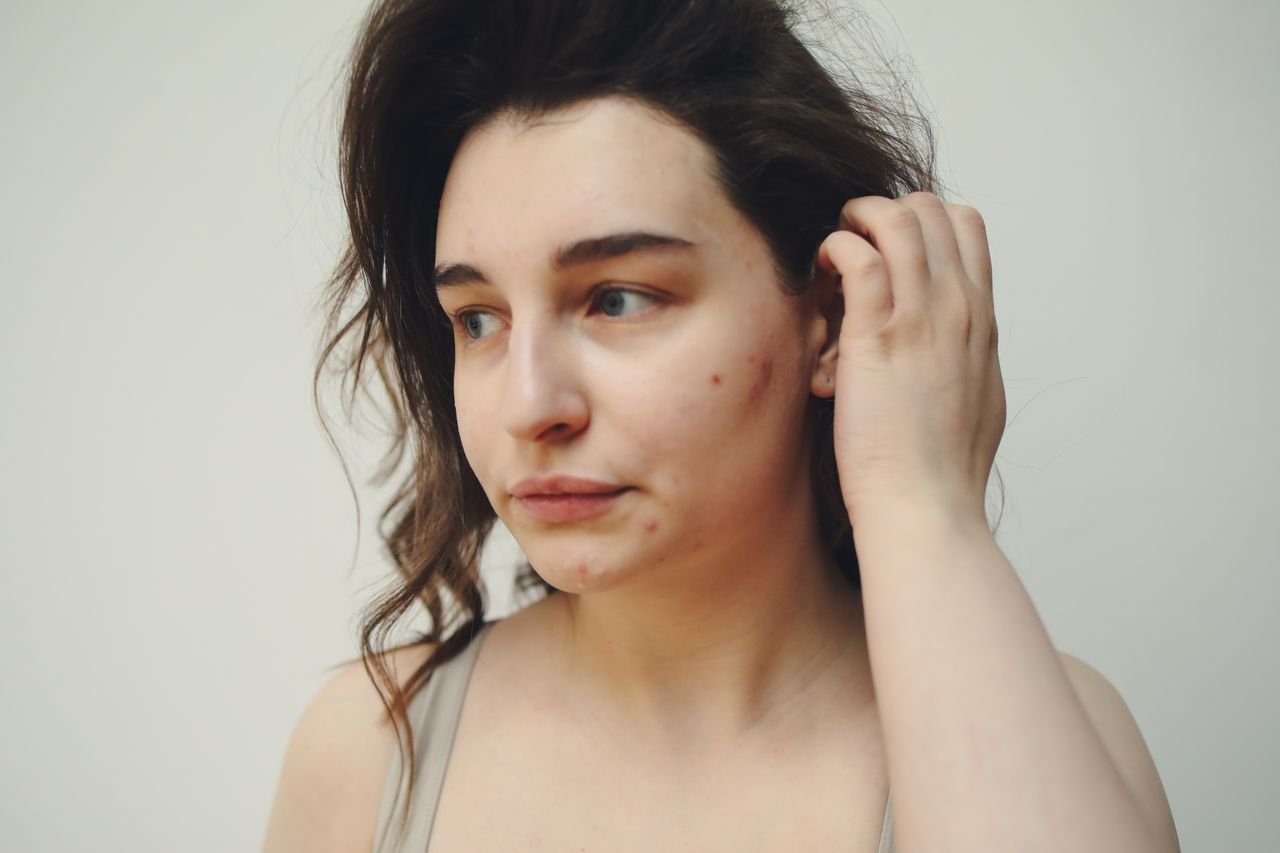
2 a.m. Bathroom mirror. Me, still half-asleep, poking at this giant, throbbing bump on my chin. It showed up overnight, basically, I woke up and there it was, no warning. Nothing like those little whiteheads from high school, nothing like that at all, completely different animal. This thing was deep. Angry. Red. And it hurt like it had its own heartbeat, honestly, like it was alive. At the time I had no idea there was an actual difference between a “regular” pimple and something called cystic acne. I just thought my skin had decided to ruin my week, out of pure spite, for no reason.
Am I the only one? Nope. I mean, look around — basically everyone I know has had a breakout phase, mine started at fifteen, in the middle of exam season, of all times. And the bit that took me years to actually get? A breakout isn’t just a breakout. There’s a world of difference between the small surface ones and the deep, cystic ones, and treating them the same way? That was my mistake for years. Ordinary pimple, or something cystic and deep? That distinction, that one distinction, it changes your whole approach, I swear it does. How you treat it, for a start. How long it hangs around for. And how much damage it leaves behind afterwards — on your skin, yes, and on your confidence as well, if we’re being completely real about it.
So this article breaks it all down in plain language. Based on general dermatology best practices, skincare research, and — yeah — a fair amount of personal trial and error. Plus a few regrettable products I wasted money on along the way, which I will not be naming, for my own dignity.
What Is Regular Acne, Really?

Regular acne — that’s the stuff most of us grew up with, right? Blackheads. Whiteheads. Small red pimples that come to a head, then clear up within a few days, gone. What makes them? Oil, dead skin cells, bacteria, all clogging a pore near the surface. Surface-level stuff, basically, nothing deep.
It’s annoying, sure. But usually not painful in any serious way. You can often feel a whitehead coming, days before it actually shows up — that little warning twinge — and once it does show up, it tends to resolve itself fairly quickly. Especially if you leave it alone, instead of messing with it constantly. Which, I know, is harder than it sounds.
Most people get this type of breakout around their forehead, nose, or chin — basically the oily zones of the face known as the T-zone. It’s also common along the jawline during hormonal shifts, though usually in a milder form than what shows up with cystic breakouts. Milder, but still annoying.
There’s also a sneaky middle category a lot of people don’t talk about: papules and pustules. These are slightly more inflamed than a basic whitehead, but still much shallower and less severe than a cyst. They might be a little tender, slightly swollen, and red — but they don’t carry that same deep, under-the-skin pressure that cystic acne does. That pressure is the giveaway, really.
Based on my experience, regular acne responds pretty well to basic skincare. A decent cleanser, a bit of patience, and maybe a spot treatment — usually that does the trick within a few days. I’ve found that stressing over a single whitehead almost always makes it worse, because touching your face constantly introduces more bacteria. So, you know, hands off, as much as you can manage.
What Makes Cystic Acne Different
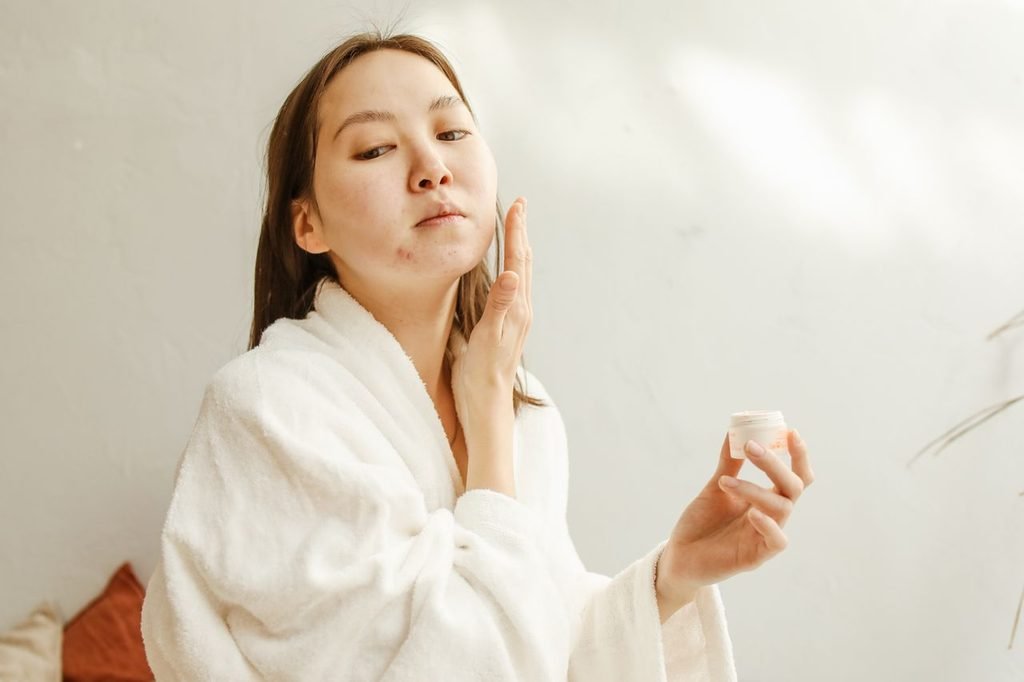
Cystic acne is a whole different beast. Instead of forming near the surface, it develops deep under the skin. The clog, the inflammation, and the bacteria get trapped way below where typical treatments can even reach. Which is exactly why spot treatments that work great on a whitehead do basically nothing for a cyst. Nothing. You’re putting cream on top of a problem that’s underneath.
So that’s why cystic acne often feels less like a normal pimple and more like a hard, swollen lump, sitting under the skin, you know? It can hang around for weeks, weeks, and sometimes it doesn’t even fully go away — it just sort of fades, into this flat, tender area, for a while, before it eventually clears, and often, often, it leaves a mark behind as a souvenir. That lingering mark, that’s part of why people dread them so much, I think.
Regular acne, cystic acne — honestly, they’re not even in the same league, not even playing the same game. Cystic breakouts, they count as a more severe form of acne vulgaris, that’s the dermatologist term for it. And a lot of dermatologists, they treat it as a medical condition, a real one, not just a cosmetic thing you cover up with concealer. Why treat it that seriously? Because the risk — permanent scarring, long-term skin damage — that risk is significantly higher, much higher. So it’s not just about how it looks that week, no, it’s about what it might do, long-term, to your skin.
One more thing, and it’s weirdly specific: cystic acne, it tends to keep showing up, again and again, in the same general areas, almost like it’s got a favourite spot it won’t leave alone. Mine? Always along my jawline, and my lower cheeks, always there, without fail. For other people, it might be their back, their chest, their shoulders — that’s sometimes called “bacne”, when it happens there. Same idea, just a different postcode, really.
Think back — have you ever had a pimple that felt like it was throbbing, on its own, like it had a pulse? Swollen for over a week, and then it left a dark mark behind, afterwards? If yes, then that was very likely a cystic lesion, not a regular pimple, even if, on the surface, it looked small, even if it looked tiny. Because with cysts, what’s underneath is always bigger than what’s on top — that’s the trick, that’s how they fool you.
Key Visual and Physical Differences
This is the section most people actually want. Let’s make it simple with a breakdown.
Regular Acne:
- Small, often with a visible white or black “head”
- Mild redness around the bump
- Heals in 2–5 days typically
- Minimal to no scarring
- Usually not very painful to touch
- Sits close to the surface of the skin
Cystic Acne:
- Large, swollen, and often doesn’t have a visible head
- Deep red or purplish coloring
- Can stick around for weeks, sometimes even past a month, honestly
- Leaves you way more likely to end up with scars or those dark marks afterwards — post-inflammatory hyperpigmentation, if you want the proper name
- Painful even without touching it
- Sits deep beneath the skin and feels firm or rubbery
Image here: Close-up comparison of a small whitehead next to a deep cystic acne bump — Alt text: cystic acne vs regular acne comparison on skin
Now — how does the skin around each one react? That’s another difference, and it’s pretty telling. Regular acne? Surrounding skin usually looks normal again within a day, maybe two. Back to normal, pretty fast, like nothing happened. Cystic acne, though? That surrounding area often stays inflamed. Warm to the touch. Sometimes even slightly discolored, for days after the main bump has calmed down. Days, I mean — not hours. Days.
I’ll be honest with you — once you’ve actually had a cystic pimple, properly had one, you will never, ever mix the two up again, you just won’t. Regular acne? Annoying, yes. Cystic acne? That’s practically an event, an event your whole face seems to participate in, whether you want it to or not. An event you definitely did not RSVP to, and would not have, if you’d known.
Why Cystic Acne Hurts So Much More

This bit, it surprised me, the first time I actually researched it, I mean sat down and really looked into it, properly. Why does cystic acne hurt so much more? Well, because the inflammation, it happens much deeper in the skin, much deeper than you’d think. Deep enough to get to nerve endings, to surrounding tissue layers — layers that regular acne never even touches, never gets anywhere near. So, deeper inflammation means deeper pain, that’s the logic of it, really, when you stop and think about it.
What your immune system does, basically, is treat the whole thing like an infection site, like it’s under attack. It sends a flood — a literal flood — of white blood cells to the area, to fight it. And that, that creates this swollen, hot, tender feeling, a feeling regular pimples just don’t give you, they don’t. It’s essentially your body overreacting, massively overreacting, to a clogged pore, like it’s a much bigger threat than it actually is. Like, calm down, body, it’s just a pore — but, of course, it doesn’t listen, does it?
I’ll never forget this one cystic bump, on my jaw, it hurt every single time I turned my head, every time I talked too much, or even — even — chewed food on that side of my mouth. Chewing, of all things! You don’t get that from a small whitehead, you really don’t. So, if a breakout is that uncomfortable, that painful, day to day, then that’s a pretty strong sign, a clue, really, that you’re dealing with a cyst, rather than a typical pimple.
And then there’s the psychological side, which — honestly — doesn’t get talked about enough, nowhere near enough. Pain, plus how visible it is, plus how long it lasts? That combo often hits people’s confidence way harder than a quick, surface-level pimple ever would. That emotional weight, it’s real. Me, I used to just push through silently, pretend it didn’t bother me, bottle it up, and — honestly — that made it worse, because then I was carrying it alone, on top of everything else. Talking about it, even just admitting it to yourself, that helped me more than pretending ever did.
What Causes Each Type
Causes of Regular Acne
Regular acne usually comes from:
- Excess oil production
- Clogged pores from dead skin buildup
- Minor bacterial buildup (P. acnes)
- Heavy, pore-clogging skincare, the kind that just sits there on your skin
- Sweat and humidity, or skipping a wash after a workout, that sort of thing
Usually it’s the small stuff that sets it off — a new moisturizer, heavy makeup worn for hours, even just the weather shifting with the seasons. Simple triggers, simple breakouts, most of the time.
Causes of Cystic Acne, Basically
Cystic acne, though, that tends to come from stuff running deeper, systemic stuff, underneath:
- Hormone swings — puberty, periods, PCOS, that whole lot
- Family history, honestly — if your parents had cystic acne, your odds go up too
- Stress, big time, because cortisol spikes and then oil production follows
- Food, for some people at least, dairy or high-glycemic stuff especially
- Certain meds, the ones that mess with your hormone levels
From what I’ve seen in my own skin, and heard from other people too, cystic acne loves to turn up right around hormonal shifts — just before a period, in pregnancy, or in those high-stress stretches, finals week, big work deadlines, that kind of thing. I once got three separate cystic spots in the week before a major work presentation, which felt, honestly, like incredibly unfair timing. Three. The week before. Of course.
How to Treat Regular Acne at Home

The good news, though? Regular acne — it’s usually manageable, with consistent skincare, I mean actually consistent, not just when you remember. Here’s what tends to work well, in my experience, and in general:
- 1. Use a gentle cleanser twice a day — harsh scrubbing makes it worse and can damage your skin barrier.
2. Try salicylic acid or benzoyl peroxide spot treatments for faster healing of surface-level pimples.
3. Try not to touch your face all the time — I know, easier said than done, especially when you’re stressed out.
4. And moisturize, even if your skin’s oily — I know that sounds backwards, but dehydrated skin just pumps out more oil to compensate.
5. Change your pillowcase a lot, every few days ideally — bacteria loves building up on fabric, honestly.
6. And before you put anything new all over your face, patch-test it somewhere small first, so you don’t end up triggering a whole fresh breakout.
Me, after testing this myself over the years — years, not weeks — I’ve landed here: a simple, consistent routine beats a complicated 10-step one, almost every single time. Regular acne, mostly, it needs patience. Basic hygiene. Not a drawer full of expensive products promising overnight miracles. Miracles, in a jar, for £40? Come on. No. Patience, mostly, that’s the unsexy answer.
Why Cystic Acne Usually Needs a Dermatologist, Really
Let me be blunt for a sec — cystic acne is not the kind of thing you just grit your teeth and ride out solo, not when it keeps popping up in the exact same places, month after month. And the stuff from the drugstore? Most of it can’t even reach where the real problem lives, that deep inflammation sitting underneath the surface, no matter how much of it you slather on.
Dermatologists may recommend:
- Prescription retinoids, to speed up how fast skin cells turn over
- Oral antibiotics, to calm inflammation and cut the bacterial load down
- Hormonal treatments — birth control, for some women whose cystic acne is clearly hormonal
- Isotretinoin, Accutane, for the severe cases, the recurring ones, or where scarring’s already happening
- Cortisone injections, when one stubborn cyst needs shrinking fast, sometimes in 24-48 hours
I personally tried to treat a bad cystic breakout with regular drugstore spot treatments for weeks. It did nothing except make my skin more irritated and flaky on top of already being swollen. Weeks of that. Once I saw a dermatologist and got a proper treatment plan tailored to my skin, the difference was night and day within about a month. About a month, not overnight — but night and day, still.
So, if a bump keeps coming back, same spot, again and again, or it feels unusually painful, more painful than it should, or it just doesn’t respond to typical treatments, after a week or two of trying — then that’s a clear sign, a flashing sign, really, to get professional input, instead of continuing to guess, and continuing to waste money, on products that simply aren’t built for this level of inflammation. Guessing, it gets expensive, fast, I know that from experience.
Common Mistakes People Make With Both Types

Here are a few mistakes I’ve either made myself or seen friends make way too often:
- Popping cystic acne — honestly, that almost always ends up with worse scarring, more inflammation, sometimes even an infection.
- Over-exfoliating — that wrecks your skin barrier and can make both types of acne a lot worse over time.
- Throwing too many actives on at once — retinol plus acids plus benzoyl peroxide together? That backfires, badly, and leaves you with painful irritation.
- Ignoring diet and stress — not everything’s about skincare, sometimes what you eat and how stressed you are matters more than any product.
- Expecting results overnight — skin needs weeks, not days, to actually improve, cystic acne especially.
- Switching products constantly — ditching something after three days never gives it a fair shot at working.
Confession? Okay, here goes. I used to do exactly that — mix random products together, one after another, hoping, just hoping, that something, anything, would finally work. Like, this one, this one will be the one, I told myself. And then? My skin, usually, it just went red. Irritated. And, somehow, somehow, it ended up worse than before I even started, which, honestly, makes no sense — until you’ve lived it, and then it makes perfect sense. So simplicity, real simplicity, that really does win here, in the end. Even if it feels dull, even if it feels like nothing’s happening, even if you’re bored out of your mind waiting for results — that boring routine, it works, I swear it does, because I learned it the hard way, the expensive way, the way that leaves your skin worse.
Prevention Tips That Actually Work
Prevention looks a little different depending on which type of acne you’re prone to, but there’s overlap too.
For regular acne:
- Stick to products labelled non-comedogenic, specifically for acne-prone skin, that’s the label to look for
- Wash your face after you sweat, after workouts especially, don’t just leave it sitting there
- Don’t sleep in your makeup, even on those nights when you’re absolutely exhausted
- Wipe your phone screen down regularly, since it’s pressed against your face constantly, all day
For cystic acne:
- Keep an eye on hormonal patterns, track breakouts on a calendar or in an app, whatever works
- Cut back on dairy or high-sugar foods, if you notice that’s your personal pattern
- Handle stress however works for you — exercise, sleep, journaling to unwind, that sort of thing
- Stick with whatever your dermatologist recommended, even once your skin looks clear, don’t just stop
- Leave harsh physical scrubs alone, they just wind up irritating skin that’s already inflamed and angry
Picture: your basic routine laid out flat — gentle cleanser, moisturizer, spot treatment, that kind of setup — Alt text: skincare routine for cystic acne and regular acne
Consistency, honestly, that’s the secret ingredient people underestimate most. In my experience, switching products every two weeks because “it’s not working yet” is one of the most self-sabotaging habits going, and it just resets whatever progress your skin had made, every single time. Every time. So yeah — stick with it.
Final Thoughts
If there’s just one thing I wish someone had told me years back, it’s this: not every kind of acne is the same. Treating it like it is? That just leads to frustration, and wasted money, and a lot of pointless products. Regular acne, annoying, yeah, but manageable with basic care. Cystic acne, deeper, more stubborn, often needs real medical attention — and that’s completely okay to accept, rather than fight alone. Accepting help isn’t giving up, it’s just… smart, honestly.
Your skin? It isn’t broken. Seriously, it’s not. And you’re not doing something wrong, you’re not failing at this, just because you’re dealing with breakouts. Hormones — genetics — stress — they play such a massive role, honestly, often way, way more than skincare alone ever could, ever will. So, be patient with yourself, please? Get professional help when you need it, there’s no shame in that, none at all, and remember this: clearer skin is almost always a gradual process. Not overnight. Not a fix you can rush, no matter how much you want to. Gradual. Annoyingly gradual, sometimes, I get it, but gradual all the same.