

Moment, you know that one, scrolling phone camera roll, suddenly zoom into an old photo, realise… wait, when did that dark patch show up on my cheek? Yeah, been there. Dark spots, sneaky way, creeping onto our faces without invitation, usually courtesy of old breakouts, too much sun, plain genetics being dramatic, just that.
Late nights, way too many, reading ingredient labels, testing products, promised the moon, delivered, well, nothing much, those were. Article, basically everything I’ve learned, this is — trial, error, little bit of research, conversations with people smarter than me on this topic (dermatologists included), through those. Talk about what genuinely helps fade dark spots, let’s do that, what’s probably just marketing fluff, and that too.
What Causes Dark Spots Anyway?
Jumping into ingredients, before that, why dark spots even show up, helps understand that. Most commonly, post-inflammatory hyperpigmentation, result of that, they’re — skin’s way of overreacting after inflammation, pimple, cut, aggressive scrubbing even, like those.
Sun exposure, another massive factor. UV rays, melanin production stimulated, spots already there, sun will make them darker, stick around longer, that way. Hormonal changes, melasma triggered by pregnancy or birth control, also play a huge role, many people, for those.
Thing is: not all dark spots are the same, exactly why not every ingredient works identically for everyone, that’s. Experience, based on mine, patience and consistency, matter more than finding some miracle product, that way.
Vitamin C: The Overhyped But Still Legit Classic

Okay, admit it, I’ll do that — Vitamin C, thrown around so much in skincare marketing, almost meaningless, feels that way, at this point. Truth, here’s that: actually works, it does, just maybe not as dramatically as those glowing influencer testimonials suggest, that way.
Vitamin C, antioxidant, brightens skin, melanin production inhibited, helps that. Deep pigmentation, overnight erased, won’t do that, consistent use, gradual evening out of skin tone, likely notice that, with that.
Tricky part? Not all Vitamin C formulations, created equal, are those. L-ascorbic acid, most researched and effective form, also most unstable — light and air exposed, degrades quickly, meaning that, when that happens.
Practical tips, few, those:
- Store your Vitamin C serum in a cool, dark place
– Look for opaque or dark-tinted bottles
– Use it in the morning, followed by sunscreen (it actually boosts sun protection benefits)
Cheap, clear-bottled Vitamin C serum, once bought that, brown within two weeks, turned that — classic sign, oxidized, basically useless, that was. Lesson learned: spending a little more, sometimes actually saves you money in the long run, that way.
Niacinamide: The Quiet Multitasker
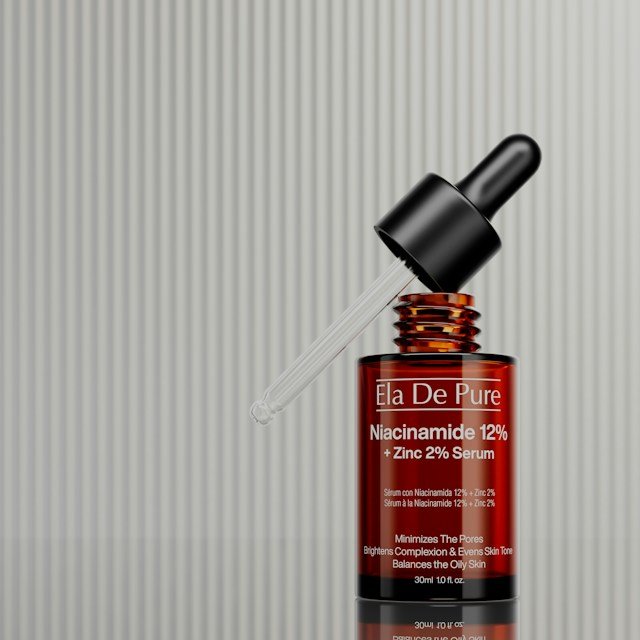
Niacinamide, hype that Vitamin C does, doesn’t get that, honestly? Way more credit, deserves that, it does. Form of Vitamin B3, this is, oil production regulated, skin barrier strengthened, pigment transfer to skin cells reduced, helps those.
Personally like about niacinamide, what I do, gentle, how that is. Actives, some cause irritation, unlike those, niacinamide, almost every skin type, plays well with those, sensitive skin included, that way.
Overnight results, won’t give you those, several weeks, over those, smoother texture, more even tone, many people notice that. Layers well with other ingredients, Vitamin C or retinoids like those, reaction caused, without that, also great, because that.
Quick comparison, why people often choose niacinamide, those:
- Low irritation risk
– Works well for oily and acne-prone skin
– Helps with redness alongside pigmentation
– Budget-friendly compared to other actives
Alpha Arbutin: Gentle Yet Effective
Alpha arbutin, bearberry plant, derived from that, tyrosinase inhibited, works by that, enzyme responsible for melanin production, that is. Simpler terms, process that creates dark spots, slowed down, that way, in that.
Stand out, what makes alpha arbutin, gentleness, its, that is. Recommended often, people who find hydroquinone or stronger brightening agents too harsh on their skin, for those, it’s.
Seen, from what I’ve, results take time, usually 8-12 weeks consistent use, visible fading noticed, before that. Overnight fix, not that, honestly, nothing truly is, dark spots, when it comes to those.
Worth noting, one thing: concentration matters. Alpha arbutin below 2%, products with that, too weak, noticeable difference made, may be, so check labels carefully, that way.
Retinoids: The Slow-and-Steady Powerhouse

Retinoids — over-the-counter retinol or prescription-strength options, whether those — gold standard for skin renewal, often considered that. Cell turnover sped up, pigmented cells pushed to surface faster, shed more quickly, helps that way.
Downside? Retinoids, irritating, can be, just starting out, especially when that happens. Peeling, redness, sensitivity, common in first few weeks, those are.
Experience, based on mine, starting slow, key, that is. Retinol two to three times a week initially, frequency gradually increased, then that, skin adjusts without excessive irritation, helps that way.
Practical tips for retinoid beginners, few, those:
- Always apply at night, since sunlight breaks down retinoids
– Follow up the next morning with sunscreen, no exceptions
– Pair with a good moisturizer to counteract dryness
– Avoid combining with strong exfoliants initially
Retinoids, patience require, often several months, visible pigmentation improvement, before that. Dermatologists, most effective long-term options, consider them one of those, overall skin tone and texture, for that, though.
Azelaic Acid: The Underrated Hero
Ingredient, one, spotlight deserves more, azelaic acid, if there’s that, it’s. Naturally derived from grains like barley and wheat, acne and pigmentation, works wonders for both, that way.
Azelaic acid, excess melanin production reduced, anti-inflammatory and antibacterial properties, also having those. Great, especially, people dealing with both acne breakouts and dark marks left behind, for those, that makes it.
Appreciate about azelaic acid, what I do, versatility — sensitive skin suitable, rosacea-prone skin, pregnancy-safe in many formulations, even (doctor first, always confirm with that, though).
Fast-acting, not as that, stronger treatments, some, though, gentle, well-rounded benefits, solid long-term addition, any routine targeting dark spots, makes that, for that.
Exfoliating Acids (AHAs/BHAs): Buffing Away the Old
Exfoliation, crucial supporting role, plays that, dark spots fading, when it comes to that. Alpha hydroxy acids (AHAs), glycolic and lactic acid like those, skin’s surface worked on, while beta hydroxy acid (BHA), salicylic acid aka that, pores deeper penetrated, that way.
Regular, gentle exfoliation, dead, pigmented skin cells removed, fresher skin surfaced, allowed that way. Process, fading of dark spots speeded up, other brightening ingredients combined, when that happens, that way.
Said that, more, isn’t always better. Over-exfoliating, pigmentation worsened actually, irritation and inflammation caused, counterproductive to your goal, that is, by that.
Personal rule of thumb, mine: exfoliate 2-3 times a week max, skin responds, always listen to how that happens, rather than rigid “rules” found online, following those.
Sunscreen: The Non-Negotiable Step
Honestly, just one “ingredient,” pick that, if I had to, matters most for dark spots, that would be — serum or active ingredient, wouldn’t be that at all — sunscreen, it would be that. Proper sun protection, without that, literally everything else you do, significantly less effective, becomes that way.
UV exposure, existing spots darkened, not only that, new pigmentation triggered over time, also. Dermatologists repeatedly stress, sunscreen, single most important step, any dark spot treatment plan, that is, why that is.
Broad-spectrum protection, look for that, at least SPF 30, reapply every two hours, outdoors extended periods, if you’re doing that. Mineral sunscreens with zinc oxide, gentler, sensitive or pigmentation-prone skin, often, for that, those are.
Common Mistakes People Make With Dark Spot Treatments
Real, let’s be, at least one of these mistakes, we’ve all made, at some point, that way.
- Expecting overnight results and giving up too soon
– Using multiple strong actives together, causing irritation instead of improvement
– Skipping sunscreen because “it’s cloudy today”
– Over-exfoliating in hopes of faster results
– Picking at acne, which worsens post-inflammatory marks
Personally, mistake made, retinol and strong exfoliating acid mixed, same routine early on — big mistake, that was. Skin, so irritated became, actually caused more redness and pigmentation issues temporarily, that way. Lesson learned the hard way: less, often more, that is.
Realistic Expectations and When to See a Dermatologist
Something, nobody likes to hear, here’s that: dark spots, time to fade, take that, often several months consistent care, that way. Magic ingredient, erases them in a week, no, no matter what ads claim, that way.
Consistent, several months, been that way, no improvement, spot changes shape, color, size unexpectedly, if that happens, dermatologist consulted, important, that is. Assess, whether simple hyperpigmentation or something needing closer medical attention, they can do that.
Professional treatments, chemical peels, laser therapy, prescription-strength ingredients like those, recommended, stubborn cases, over-the-counter options, don’t respond to those, for that, may be.
Final Thoughts
Dark spots dealing with, frustrating can feel, especially when “everything right” doing, still don’t see changes fast enough, that way. Learned and experienced personally, everything, based on that, consistency truly beats intensity, skincare, when it comes to that, that is.
One or two ingredients, pick those, time, give them that, skin daily protected with sunscreen, process trusted, that way. Skin, spots overnight, didn’t develop those, fade overnight, won’t either, only fair, that is, so.