

Bathroom mirror, few years back, chin tilted up under harsh light, cluster of brown spots staring back. Appeared, just… that. No warning. No single bad sunburn to blame. There, mocking me every morning. Reading this, chances are you’ve had that same moment. Little sigh. “Okay, what now?” feeling, that.
Face dark spots, skin concern, oddly personal feels, even though almost everyone deals with them sometime. Dangerous, usually not, but confidence, messed with more than you’d expect, they can. Good news? Real, research-backed ways to fade them, there are. Not-so-good news? Confusing, contradictory advice, lot of it, time and money wasted by some of it.
Guide, based on my own experience, products tested, dermatologists talked to during consultations, reading up on what actually works versus marketing fluff, just that. Walk you through everything, I’ll do — causes, treatments worth your money, mistakes I made, so you don’t have to.
What Are Dark Spots, Really?

Hyperpigmentation, dark spots also called that, happen when certain skin areas produce extra melanin. Melanin, pigment responsible for skin color, sometimes goes a little overboard in specific spots, patches darker than surrounding skin, leaving those.
Names, few, depending on cause — sunspots, age spots, liver spots (misleading, liver’s got nothing to do with it), melasma, post-inflammatory hyperpigmentation. Each type, differently behaves a little, treatment picking, matters when that happens.
Thing is — dark spots, medical problem usually, aren’t one. Cosmetic one, they are. Spot changes shape, bleeds, grows rapidly, though, different story, dermatologist checked right away, worth that, just to be safe.
Common Causes Behind Facial Dark Spots

Why dark spots show up, understanding that, treat them more effectively, actually helps. Not just “getting older,” though part of it, for some people, that’s.
Sun exposure, biggest culprit, hands down. UV, melanin production triggered, defence mechanism. Years, over those, visible sunspots created, cheeks, forehead, nose especially.
Post-inflammatory hyperpigmentation, after acne, cuts, burns, aggressive skin treatments even. Skin heals, pigmented mark left behind, reminder, honestly feels unfair when you’re already annoyed about the pimple itself.
Hormonal changes, pregnancy or birth control use, melasma triggered by those — larger, blotchy patches, cheeks and upper lip area, often, that type.
Other contributors:
- Certain medications, sun sensitivity increased by those
– Genetics (pigmentation, some people just more prone to that)
– Repeated skin irritation, picking at blemishes
– Aging skin, pigment evenly regulated, naturally loses some ability to do that
Specific cause, knowing yours, you and your dermatologist, treatment path picked, actually makes sense, instead of randomly trying everything on the drugstore shelf.
Topical Ingredients That Actually Work
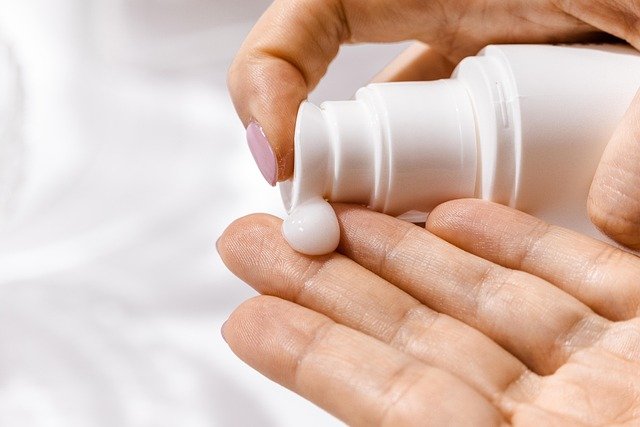
Most people start here, reasonable first step, honestly, spots mild to moderate, if yours are. Experience, based on mine, general dermatological consensus, handful of ingredients, solid evidence behind them, those have.
Vitamin C, personal favorite, mine. Brightens skin, free radical damage fought, discoloration gently faded over time. Overnight fix, not that, consistent use, 8-12 weeks usually, visible difference shown that way.
Niacinamide, gentler, sensitive skin types, works well for those. Melanin transfer within skin cells regulated, helps that, redness calmed, overall skin texture improved, added bonus, those are.
Retinoids (over-the-counter retinol or prescription-strength tretinoin), cell turnover sped up, pigmented cells sloughed off faster, fresher skin underneath revealed that way. Irritating at first, can be, starting slow, really matters, so.
Alpha arbutin and kojic acid, both known for melanin production inhibited, without being overly harsh, good options, people who’ve had bad reactions to stronger treatments, for those.
Azelaic acid, another underrated one — pigmentation related to acne scarring, particularly helpful for that, well-tolerated, tends to be.
Practical tip, quick one: one new active ingredient at a time, introduce that. Five new products layered at once, irritation set up, just that, irritated skin, more pigmentation often leads to, not less. Hard way, I learned this — retinol and strong vitamin C serum combined, same week, skin basically rebelled, mine did.
Image placement idea: A close-up photo of a person applying a serum dropper to their cheek, alt text: “woman applying vitamin C serum for dark spot treatment on face”
Professional Treatments Worth Considering
Topical products, not cutting it, pigmentation stubborn, if yours are, professional treatments, speed things along, can those. Cost more, typically, deeper or long-standing spots, faster, more noticeable results, often delivered that way, for those.
Chemical peels, acids used, top layers exfoliated, new, more evenly pigmented skin surfaced, encouraged that way. Strength depending, quick lunchtime treatment, range from that, to something requiring a few days downtime, those.
Laser treatments, IPL (intense pulsed light) or fractional lasers, such as those, pigment directly targeted, broken down, body naturally cleared away, that way. Multiple sessions, usually needed, results vary, skin tone and spot type, depending on those.
Microneedling combined with serums, some pigmentation types helped, post-acne marks especially, collagen renewal promoted, better product absorption, that way.
Few things, worth knowing, before booking any professional treatment:
- Always consult a licensed dermatologist first, not just a spa aesthetician, especially for melasma, which can worsen with aggressive treatments.
– Ask about downtime and sun sensitivity afterward — your skin will be more vulnerable for weeks.
– Get a patch test if you have darker skin tones, since some laser treatments carry higher risks of post-treatment pigmentation for melanin-rich skin.
Experience, based on mine, professional treatments, complement to a solid at-home routine, work best as that, replacement for one, not that.
Home Remedies: What Helps and What’s a Myth
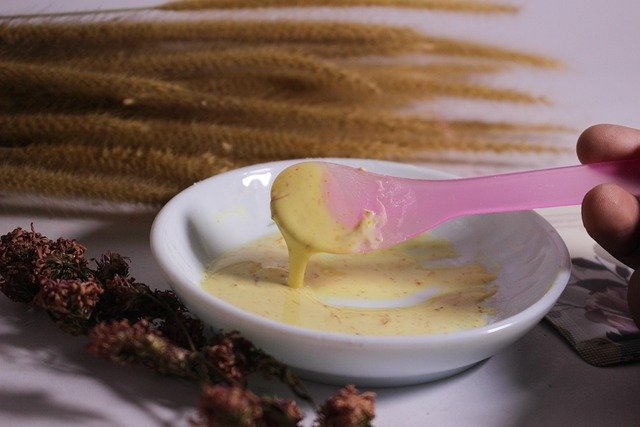
I get it — serums or dermatologist visits, money spent on those, not everyone wants that right away. Home remedies, some, genuinely a little merit, have that, others, internet folklore, refuse to die, just that.
Things with some mild supporting evidence:
- Aloe vera (soothing, may help mild discoloration over time)
– Green tea extract (antioxidant properties that may help protect skin)
– Licorice root extract (contains compounds that can help lighten pigment gently)
Popular myths that honestly don’t hold up well:
- Lemon juice directly on skin — it’s acidic and can actually irritate skin or cause more pigmentation, especially with sun exposure afterward
– Toothpaste or baking soda — these disrupt your skin’s natural pH and can cause irritation
– Raw garlic rubbed on spots — just… no. Please don’t.
Lemon juice thing, tried that, early twenties, beauty blog swore by it, mine did. Skin red, irritated, spot looked worse for weeks. Lesson learned — “natural,” not everything, automatically safe for your face, that is.
Daily Habits That Prevent New Spots
Existing dark spots treating, matters, new ones preventing, honestly half the battle, maybe more, that is. Part, talked about enough, doesn’t get that, this.
Sunscreen, every single day, rain or shine, indoors near windows, even. Non-negotiable, serious about managing pigmentation, if you are. SPF 30 or higher, reapplied every couple of hours during sun exposure, massive difference, months and years, over those, makes that.
Other helpful daily habits:
- Wearing a wide-brimmed hat during peak sun hours
– Avoiding picking at acne or scabs (easier said than done, I know)
– Using gentle cleansers instead of harsh scrubs that irritate skin
– Keeping your skin barrier moisturized so it heals properly from any damage
Consistency, way more than intensity, matters here. Cheap sunscreen, daily applied, expensive one, occasionally used, beats that.
Common Mistakes People Make

Years, over those, noticed (and personally made), several mistakes, people repeat, dark spots dealing with, when that happens.
- Expecting overnight results. Pigmentation takes months to form and months to fade. Patience is part of the process, whether you like it or not.
– Skipping sunscreen because a product “already has SPF.” Many moisturizers with SPF don’t provide enough protection alone throughout the day.
– Over-exfoliating in hopes of speeding things up, which often backfires and causes more irritation-related pigmentation.
– Picking at spots or scabs, which almost guarantees a pigmented mark will form afterward.
– Giving up too early on a product that needed more like 10-12 weeks to show real results.
Mistakes avoided alone, results improved more, fancy new serum, than any ever could, that way.
How Long Does It Really Take to See Results?
Honestly? Depends, it does. Mild sunspots, visibly faded within 2-3 months, consistent topical treatment, that way. Deeper or hormonal pigmentation, melasma like that, six months to a year, sometimes longer, ongoing maintenance needed, even after it fades, may be.
Professional treatments, speed things up, can those, magic, not either — series of sessions, most dermatologists recommend that, single visit, rather than that, noticeable, lasting change, for that.
Image placement idea: Before-and-after style photo grid showing gradual skin improvement over months, alt text: “before and after dark spot fading progress on facial skin over 12 weeks”
Most important thing, tell you, based on experience and plenty of trial and error, consistency beats intensity, every time. Slow, steady care, wins this one, that does.
Final Thoughts
Dark spots dealing with, frustrating can feel, progress invisible day to day, especially when that happens. Right combination, though — sun protection, proven ingredients, patience, professional guidance when needed — most people, meaningful improvement, over time, do see that. Skin, spots overnight, didn’t get those, fade them overnight, won’t either — consistent care, get there, it will, with that.
Spots unusual, changing shape, unsure what you’re dealing with, if yours seem that way, dermatologist, please see that person, rather than guessing. Guide, meant to inform, professional medical advice replaced, not that, this is.