
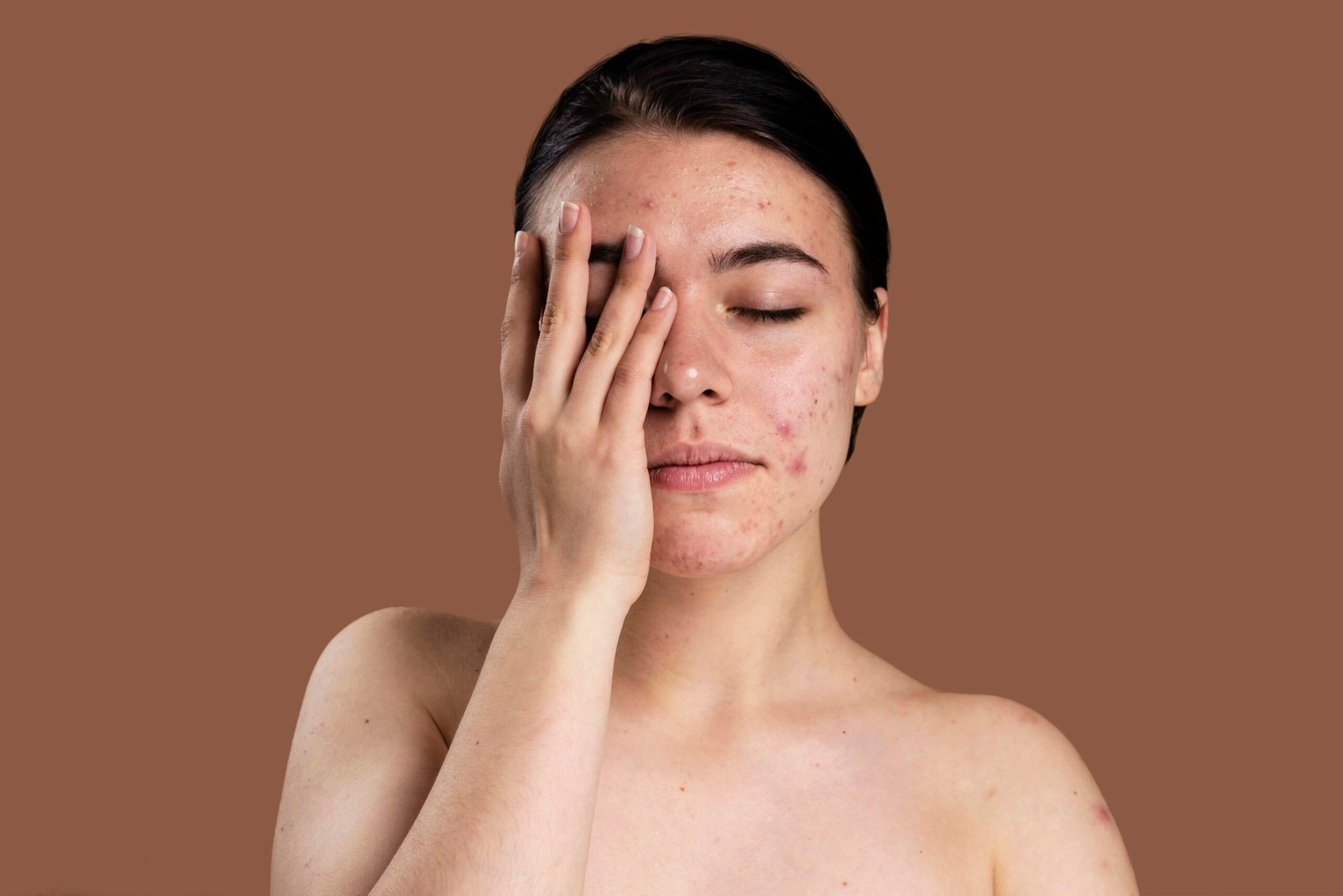
I still remember standing in front of my bathroom mirror at 2 am. pressing an ice cube against painful lump on my jaw that hadn’t fully surfaced yet. It wasn’t a normal pimple — it was deep, angry and throbbing under the skin almost like it had its own heartbeat. If you’ve dealt with cystic acne you know exactly what I mean. It’s not annoying. It’s painful and it messes with your confidence in a way regular breakouts just don’t.
After years of trial and error, dermatologist visits and more skincare products than I’d like to admit, I finally get why this keeps happening — and what actually helps. Let’s get in to it.
What Exactly Is Cystic Acne?

Cystic acne isn’t your whitehead or blackhead. It forms deep under your skin when hair follicle gets clogged with oil, bacteria and dead skin cells and instead of coming to a head like normal pimple, it swells up into a hard, painful cyst.
From my own experience, these bumps can stick around for weeks, sometimes leaving scars behind even if you never touch them. That’s what makes cystic acne so frustrating — it’s unpredictable, stubborn, and often just doesn’t respond to the over the counter stuff that works fine on regular acne.
Unlike surface level pimples cystic acne involves inflammation deep in the skin tissue. That’s exactly why it feels tender to the touch, and why picking at it almost always makes things worse (trust me, I learned that one the hard way).
The Real Causes Behind Recurring Cystic Acne
If you are wondering why cystic acne keeps coming back no matter what you try you’re not alone. There is not single cause — it is often a combination of factors working together.
Here are the common contributors:
- Excess oil production that clogs pores deeper than usual
- Hormonal fluctuations, especially around your cycle or during stress
- Genetics — if your parents dealt with severe acne, you’re more likely to as well
- Bacterial overgrowth, particularly C. acnes, which thrives in clogged follicles
- Chronic inflammation in body not on the skin’s surface
I used to think acne was purely a “dirty skin” issue. It’s not. Some of clearest skinned people I know barely wash their faces, while I was doing a ten-step routine and still breaking out. That tells you it’s more internal than external.
Hormones: The Biggest Culprit
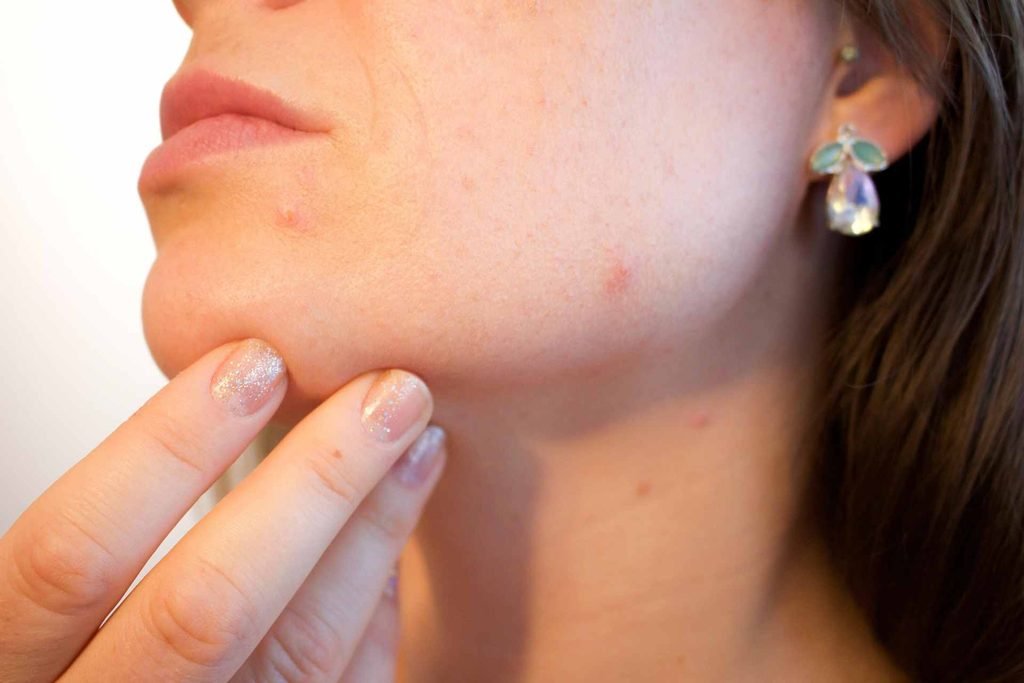
If there’s one factor that deserves its own section, it’s hormones. Cystic acne loves to show up around jawline and chin and that is not a coincidence — it’s a classic sign of hormonal acne.
Androgens like testosterone, tell your oil glands to produce sebum. So when hormone levels spike — during puberty, your period, pregnancy or really stressful times — oil production goes up and cysts often show up right behind it.
I noticed my worst breakouts always happened the week before my period, like clockwork. Once I started tracking it, the pattern became impossible to ignore. If you notice a similar cycle, hormonal acne is very likely playing a role for you too.
Diet and Lifestyle Triggers
I was skeptical about the diet acne link for longest time. Then I cut back on dairy and sugar for a month and my skin calmed down. That doesn’t mean diet’s only cause behind it but for some people, it can absolutely be a trigger.
Some common diet and lifestyle triggers:
- High glycemic food — white bread, sugary snacks and soda
- Dairy, especially skim milk
- Not getting enough sleep, consistently
- Stress that isn’t being managed well
- Touching your face a lot, or resting your phone against it constantly
Here is the thing — everyone’s triggers are different. My friend can eat chocolate every single day and never break out while I end up with a cyst within 48 hours of eating literally one candy bar. So honestly, it’s worth figuring out your own patterns instead of assuming whatever “rule” applies to everyone applies to you too.
Skincare Mistake That Make It Worse
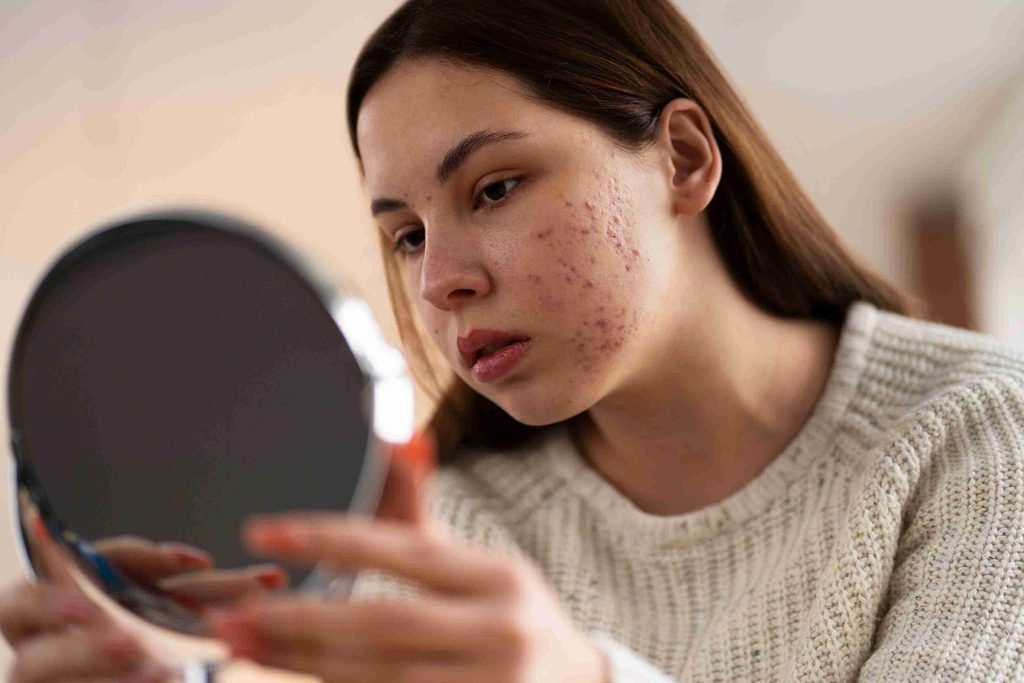
This one hits close to home. For years, I had no clue. I was sabotaging my skin with product that felt “clean” and “gentle”. When they were wrecking my skin barrier the whole time.
Here is what to watch out for:
- Washing your face too often — more than twice a day is overdoing it
- Using harsh scrubs on skin that’s already inflamed and irritated
- Skipping moisturizer because your skin feel oily
- Layering too many active ingredients at once — retinol plus acids plus benzoyl peroxide is basically a recipe for disaster
- Popping or picking at cysts which always ends in scarring
Once I actually simplified my routine and stopped over exfoliating my skin barrier started healing instead of constantly fighting off inflammation.
How to Actually Treat Cystic Acne
Okay, here’s the part everyone actually wants to know — what works. After testing this myself with a mix of dermatologist advice and personal trial and error, here’s what made a real difference.
Topical Treatments
- Benzoyl peroxide helps kill acne causing bacteria
- Salicylic acid clears out clogged pores gently
- Adapalene (differin) is an over the counter retinoid that helps with cell turnover
Prescription Options
- For more severe or recurring cases dermatologists may recommend:
- Oral antibiotics to reduce bacterial over growth
- Hormonal treatments like birth control or spironolactone
- Isotretinoin (Accutane) for stubborn long term cystic acne
At-Home Care
- Applying a warm compress to reduce swelling
- Avoiding touching the area
- Using non comedogenic moisturizer to protect skin barrier
When to See a Dermatologist
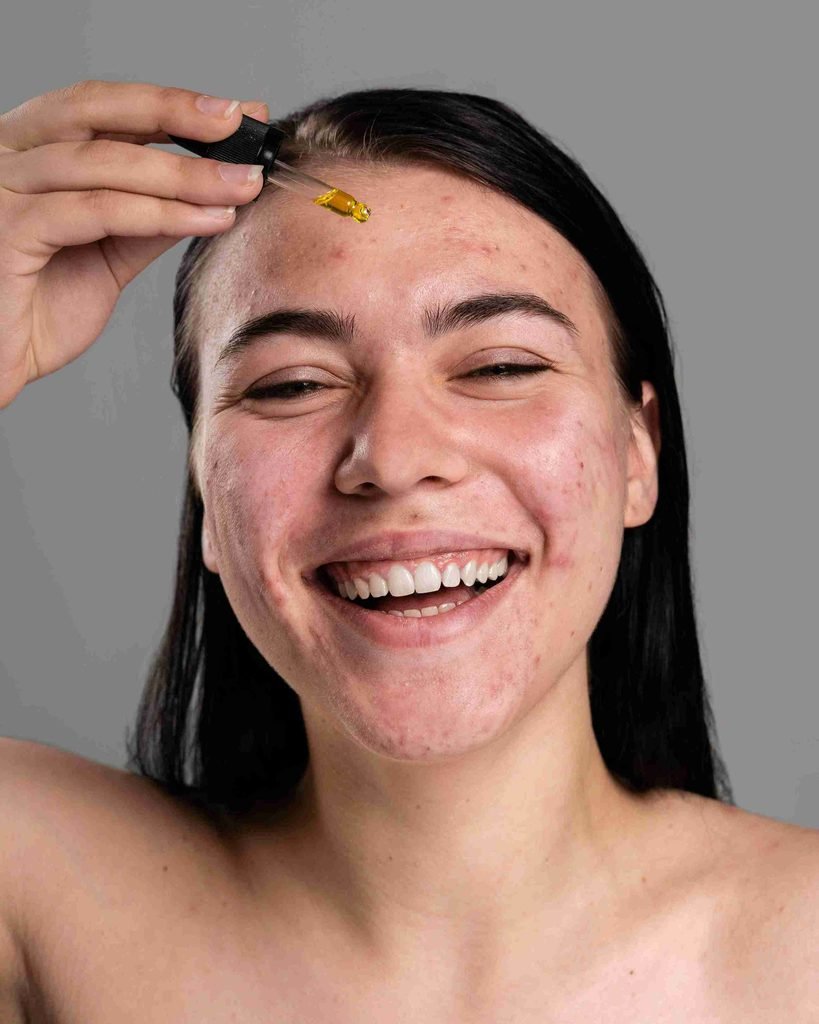
If cystic acne keeps showing up when you’re doing everything right with your routine and lifestyle. Honestly, just book that dermatologist appointment. I put it off for way too long, convinced I could sort it out myself, and ended up with scarring I could’ve easily avoided.
See a professional if:
- Breakouts are painful, deep, or leaving scars behind
- Over-the-counter stuff isn’t helping even after 8-12 weeks
- You notice a pattern tied to your hormonal cycle
- It’s starting to affect your self-esteem or mental health
There’s genuinely no shame in needing professional help here — cystic acne is a real skin condition, not some hygiene failure on your part.
Common Mistakes People Make
Even people who are genuinely trying to fix their skin fall into these traps a lot:
- Switching products too soon before giving them a real chance to work
- Comparing their skin journey to influencers who have completely different skin
- Believing some “miracle” ingredient is going to fix everything overnight
- Ignoring sleep and stress while only focusing on topical products
- Assuming diet has nothing to do with skin health
Honestly? I’ve made mistake on this list at some point. And unfortunately patience is non-negotiable when it comes to healing cystic acne.
Prevention Tips That Actually Work
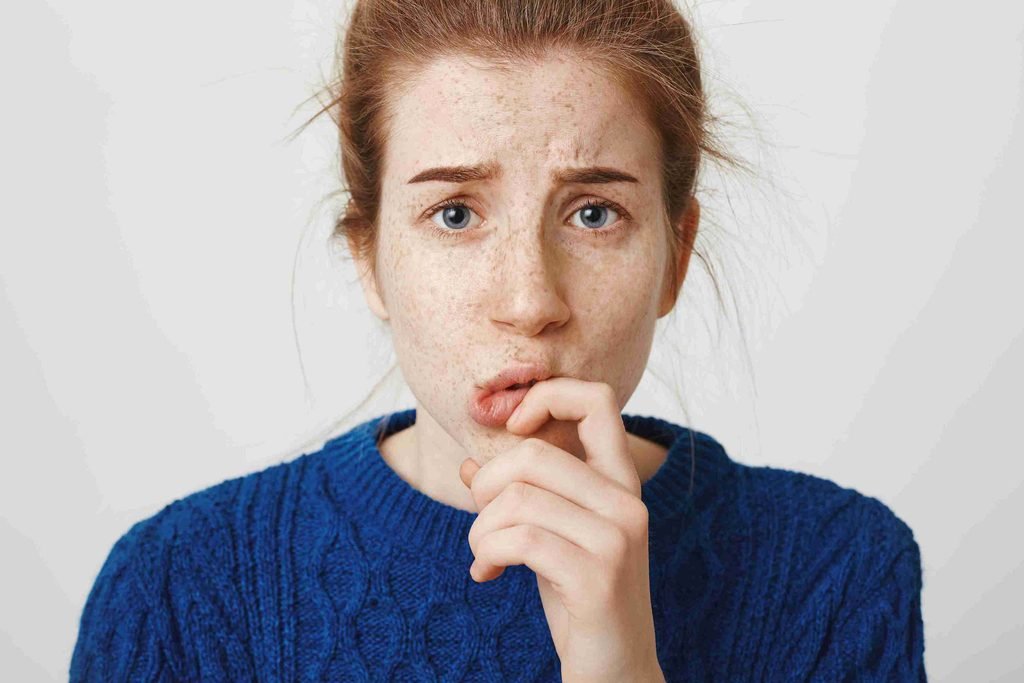
Prevention isn’t about chasing “perfect” skin — it’s about cutting down on triggers and supporting your skin for the long run.
- Keep it simple and gentle and just stick with your routine
- Swap out your pillowcase at least once a week
- Find something that helps you manage stress — exercise, journaling, better sleep whatever works for you
- Do your best not to pick at or touch your face all day
- Track your cycle if you suspect hormones might be a trigger
- Introduce new products one at a time and give each one a few weeks before judging it
A Genuine Note Before You Go
If you are dealing with cystic acne right now. I want you to know — this is not your fault and it doesn’t define you. I want you to know something — this isn’t your fault and it definitely doesn’t define you. There were so many mornings I avoided mirrors completely and canceled plans, all because of one breakout.
Healing takes time, consistency and sometimes professional help — and that is completely okay.
FAQ’s
Why does my acne keep showing up in the same exact spot?
That pore probably keeps clogging the same way often because of hormones. Jawline and chin are common spots for this. Sticking to gentle treatment helps over time.
Can stress alone cause cystic acne?
Yeah, it can. Stress raises cortisol which means more oil and more inflammation — basically the perfect setup for a breakout.
Is it okay to pop a cystic pimple?
No. It pushes bacteria deeper and make things worse plus it raises your chances of scarring. Spot treatments or a trip to the dermatologist are way safer bets.
How long does cystic acne actually take to heal up?
Usually week to few weeks depending on how bad it is. Since it sits deeper in the skin. It takes more time than regular pimple.
Does diet really affect cystic acne?
For some people. Sugar and dairy might set off breakouts for some people but it really depends on the person. Keeping tabs on your own patterns is the best way to figure out what’s actually causing yours.