
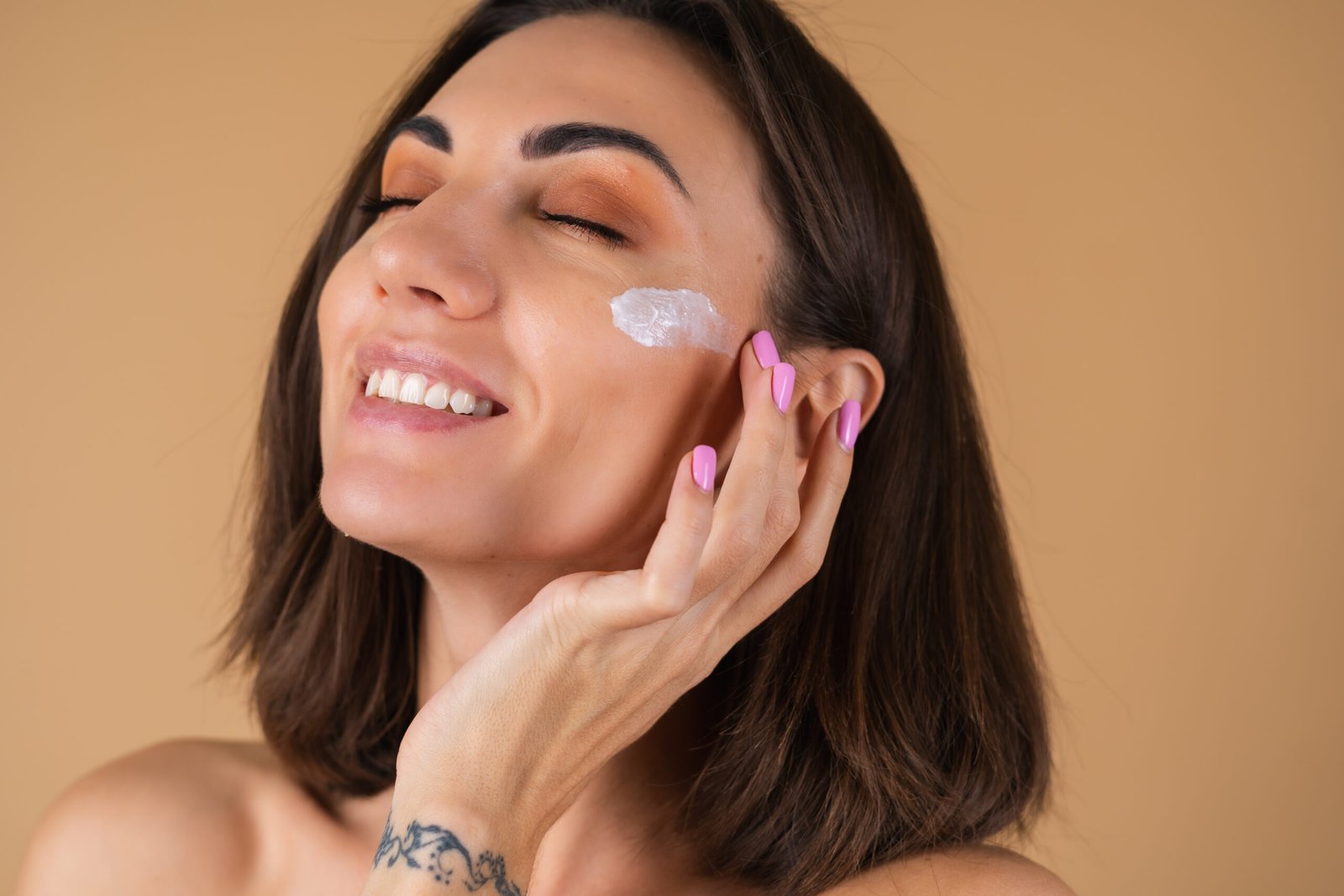
I still remember that one July morning like it was yesterday — the day I finally quit plain sunscreen for good. It was blazing hot out, I put on my usual SPF before running out for coffee, and by the time my drink was ready, my face had turned ghost white. Like, full white-cast situation. Even the barista gave me a look. That was three years back, and it’s honestly the reason I switched to tinted sunscreen — a change that ended up transforming my entire routine.
If you’ve ever dealt with that chalky, grayish look from sunscreen, or you’re sick of putting on sunscreen and then foundation separately, tinted sunscreen can be a game changer. But here’s the thing — not every tinted sunscreen suits every skin type. Pick the wrong one and you could end up looking oily, dealing with breakouts or still stuck with that ashy tone.
Let’s dig into it.
What Is Tinted Sunscreen (And Why It’s Different)
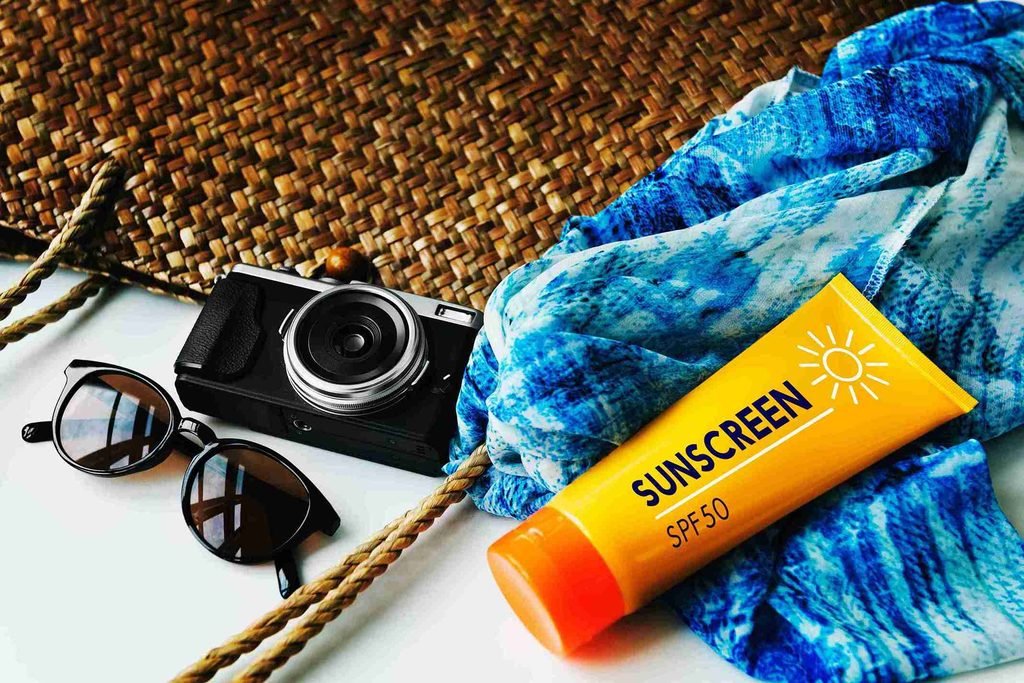
Tinted sunscreen is really nothing fancy — it’s just your everyday SPF with a hint of color pigment blended in. Nothing fancy, just pigment mixed with sun protection.
This tint does two things. First, it evens out your skin tone a little, kind of like a light tinted moisturizer. Second, and most people don’t know this, the pigments (called iron oxides) also protect against blue light and visible light, which normal sunscreen doesn’t fully block. This matters a lot if you deal with melasma or dark spots, since visible light can make those worse too.
Based on what I’ve seen after trying so many of these over the years, the tint quality is very different from brand to brand. Some blend in so nicely you forget you’re wearing anything. Others just sit there looking like wet cement until you rub them in properly.
Why Your Skin Type Actually Matters
Yeah, this is exactly where people mess it up. They see a tinted sunscreen blowing up online, grab it without giving it much thought and then end up puzzled when it’s breaking them out or making their dry patches look even more noticeable.
Here’s the thing — your skin type completely changes how a formula behaves:
- Oily skin — go light and matte, skip anything with heavy oils
- Dry skin — you want hydrating stuff in there, like hyaluronic acid or ceramides
- Sensitive skin — usually plays nicer with simple mineral formulas — think zinc oxide, titanium dioxide
- Combination skin — needs something balanced, not too much either way
- Deeper skin tones — need enough pigment and warmth so it doesn’t fade into gray or ashy
I found this out the hard way after telling my sister to try my favorite tinted SPF, the one that works so well on my combination skin. Except her skin’s really dry, and a week later she sent me a photo of her forehead peeling like a snake shedding its skin. So yeah — skin type isn’t something you can just brush aside.
For Oily Skin That Breaks Out Easily
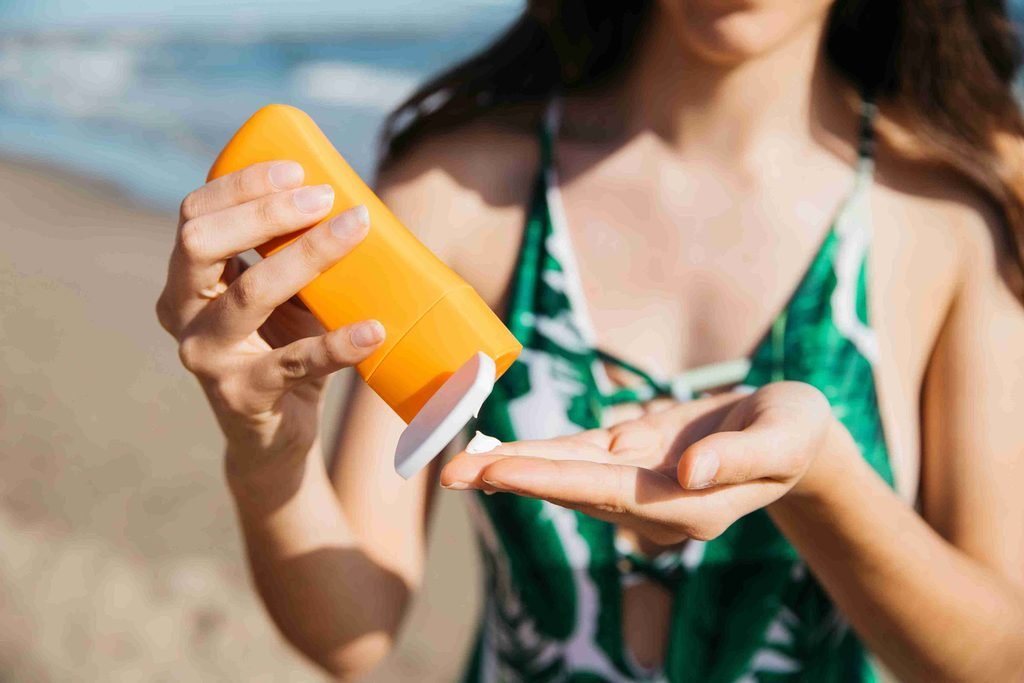
If you’re someone whose skin gets oily or breaks out easily, your best bet is picking something oil-free, non-comedogenic and matte or semi-matte in finish — that combo makes a real difference. Zinc oxide formulas are usually a solid pick — zinc even helps calm your skin down a bit on top of everything else.
Just take a quick glance at the label for simple terms like “oil-free,” “non-comedogenic,” and “lightweight” and if your pores tend to clog up, just skip products with heavy silicones sitting near the top of the ingredients.
I figured this out myself during a really bad breakout phase — gel-based tinted sunscreens worked best for me. They sank in quickly and never felt like there was an extra layer sitting on my skin. Powder ones are great too — perfect for quick touch-ups during the day without ruining your makeup.
Quick tips if your skin’s oily:
- Keep it thin, and blot with tissue after a couple minutes if it starts feeling heavy
- If your SPF’s already matte, you can skip the primer
- Reapply with a compact SPF powder instead of liquid — way less messy
Best Tinted Sunscreen for Dry Skin
If your skin’s on the drier side, here’s the honest truth — you need real and proper hydrating ingredients in your sunscreen not just some tint slapped over a plain base. Keep your eyes peeled for things like hyaluronic acid, glycerin, squalane or ceramides on the label.
Take it from me — if your skin’s dry, dewy is going to beat matte every single time. Matte formulas tend to grab onto flaky patches and end up showing off the exact texture you’re trying to hide.
This, by the way, was probably the hardest part of my whole testing process. So many “hydrating” tinted sunscreens claimed a lot but still left my skin feeling dry after just a couple hours. The ones that actually worked had this creamy, lotion-like feel to them, way different from that thin, watery texture most of them have.
A few tips that worked for me:
- Use a hydrating serum before your sunscreen — don’t skip this step
- Let your moisturizer sit for 2-3 minutes before putting on SPF
- Go for cream-based formulas over gel-based ones
Best Tinted Sunscreen for Sensitive Skin
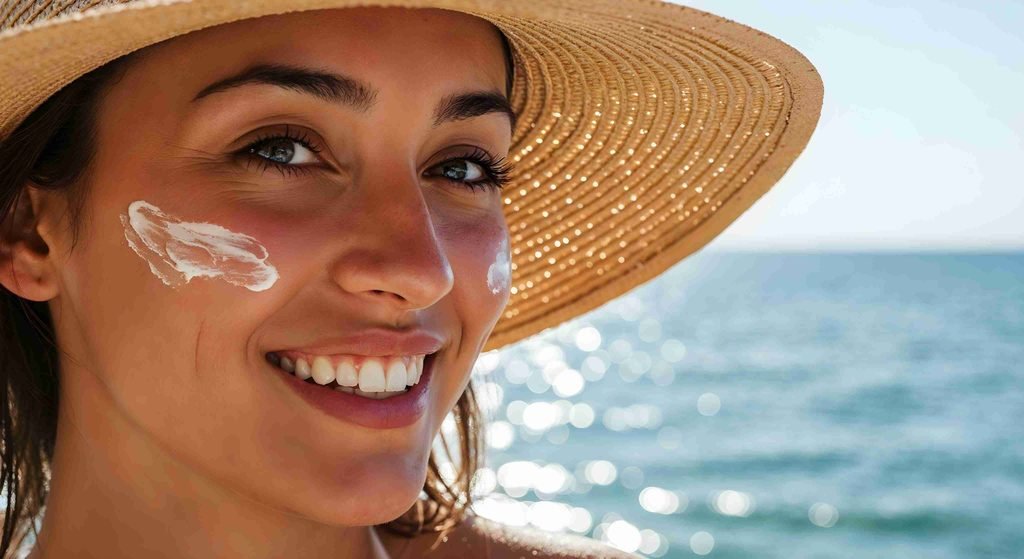
If your skin freaks out at pretty much anything new (mine does too, trust me), mineral sunscreen is usually the way to go. Zinc oxide and titanium dioxide sit on top of the skin instead of getting absorbed, so there’s way less risk of irritation for most people.
Fragrance-free isn’t optional here — it’s a must. Even something labeled “natural” fragrance can still set off a reaction if you’ve got sensitive skin.
I actually have a friend with rosacea who won’t touch anything except fragrance-free mineral tinted sunscreen. She’s tried chemical ones in the past, and her face turns red within minutes, every single time. Skin reacts differently for everyone, but mineral formulas are generally the safer bet to start with.
Things worth checking for:
- “Fragrance-free” specifically (not just “unscented” — that can still sneak in hidden fragrance)
- A shorter, simpler ingredients list
- A patch test on your arm for 48 hours before trying it on your face
Best Tinted Sunscreen for Combination Skin
Combination skin is honestly the trickiest one to shop for — your T-zone’s oily, but your cheeks might be dry at the same time. What you really need is something lightweight and buildable, not too matte, not too dewy, just balanced.
Hybrid formulas, part mineral and part chemical, usually work best here since they balance out protection with a more natural finish.
From my own experience with combination skin, putting a slightly thicker layer on the drier cheek areas and a lighter layer on the T-zone gives the most even result throughout the day.
Best Tinted Sunscreen for Deeper Skin Tones
Yeah I hear this one a LOT and tbh, makes total sense why. Most tinted sunscreen brands just don’t think about deeper skin tones when they’re making these things. So you end up with that gray, ashy look way more than you should.
But things are actually getting better now. More brands are finally waking up and offering multiple shades, or “adaptive tint” stuff that shifts to match your undertone instead of just giving you one random flat shade and calling it done.
If you’re deeper toned, seriously – go read reviews from people who actually look like you before spending money. What looks amazing on someone with fair skin can look straight up wrong on you and honestly, brands that give you more shade options are just a safer bet compared to the ones that shove one “universal” shade at everyone.
Common Mistakes People Make With Tinted Sunscreen
I’ve made most of these myself, so let me save you the trouble:
- Not using enough product — tinted sunscreen still needs the full amount (about a quarter-size dollop) to actually give you the SPF protection written on the bottle. Using less means you’re barely getting any real protection.
- Skipping reapplication — having tint doesn’t mean it lasts all day. You still need to reapply every 2 hours if you are outside.
- Buying the wrong shade online without checking — always look at swatches on skin tones close to yours.
- Thinking it fully replaces makeup — for some people it does, for others it’s just a base layer.
- Ignoring the actual SPF number — a nicely tinted sunscreen with SPF 15 isn’t doing much. Try to get SPF 30 or SPF 50 if you are out a lot.
How to Apply It the Right Way
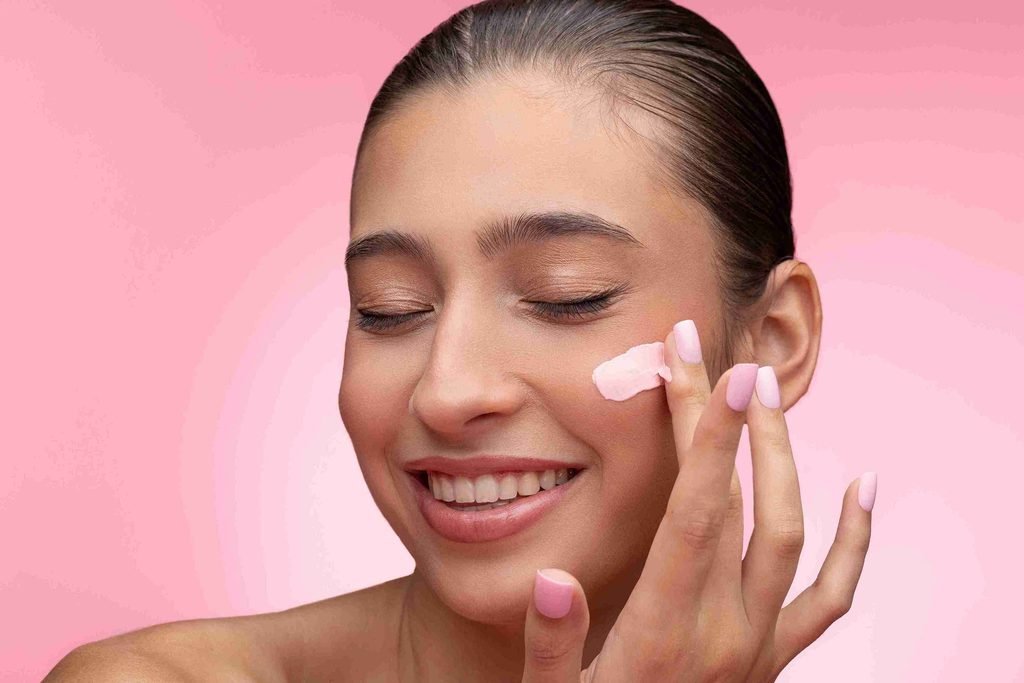
The way you apply it makes a bigger difference than most people think. Honestly, here’s what worked for me after way too much trial and error.
- Cleanse and moisturize first, always
- Wait a couple of minutes so your moisturizer settles in
- Use your fingers or a damp sponge to blend, brushes can sometimes cause streaks
- Build it up slowly instead of putting one thick layer at once
- Set with a light powder if your skin is on the oilier side
- Reapply later using a powder or spray SPF over makeup, since applying liquid tint again over makeup isn’t really practical
Final Thoughts
Man, finding a tinted sunscreen that actually worked took forever. So much trial and error. So many mistakes. A few white-cast disasters I’d honestly rather not think about again. But here’s the thing — once you stop chasing whatever’s trending and actually pick based on your skin type, it stops feeling like an extra step and starts feeling like something you just… need.
So give yourself some room to mess up and try different things. Your friend’s holy grail might do nothing for you, and whatever your favorite influencer swears by might break you out completely. That’s just how skin works — it’s yours, so figure out what it actually likes.
Questions You Might Have
Can I just not bother with foundation and use tinted sunscreen instead?
For some people, yeah, totally — especially if your skin tone’s already pretty even and you just want a little coverage but if you’ve got blemishes or dark spots? Tinted sunscreen won’t cover those on its own. Use it underneath, then dab concealer or foundation wherever you need it.
Does the tint mess up before the actual sunscreen part goes bad?
Not really, but sometimes the pigment separates or the texture feels a little off way before the SPF expires. Just give it a shake before you use it, check the expiry date, and if it smells weird or feels different, don’t risk it — just toss it.
Mineral or chemical — which one’s actually better?
Depends who you ask, honestly. If your skin’s sensitive, mineral’s usually the safer pick. Chemical ones tend to sit lighter and blend in easier though. And if you can’t decide, hybrid formulas exist for exactly that reason — you get a bit of both.
Can tinted sunscreen cause breakouts?
It can, yeah — especially if the formula’s wrong for your skin or you’re not cleansing properly at night. If you break out easily, just check the label for “non-comedogenic,” and don’t forget to double-cleanse at night — you want to make sure all that SPF actually comes off.
How much should I be putting on?
Most experts say about a quarter-teaspoon, kind of like a nickel-sized amount, to actually get the SPF protection listed on the bottle. If you use less than that, you’re not getting the protection you think you are, even if it looks fine going on.