
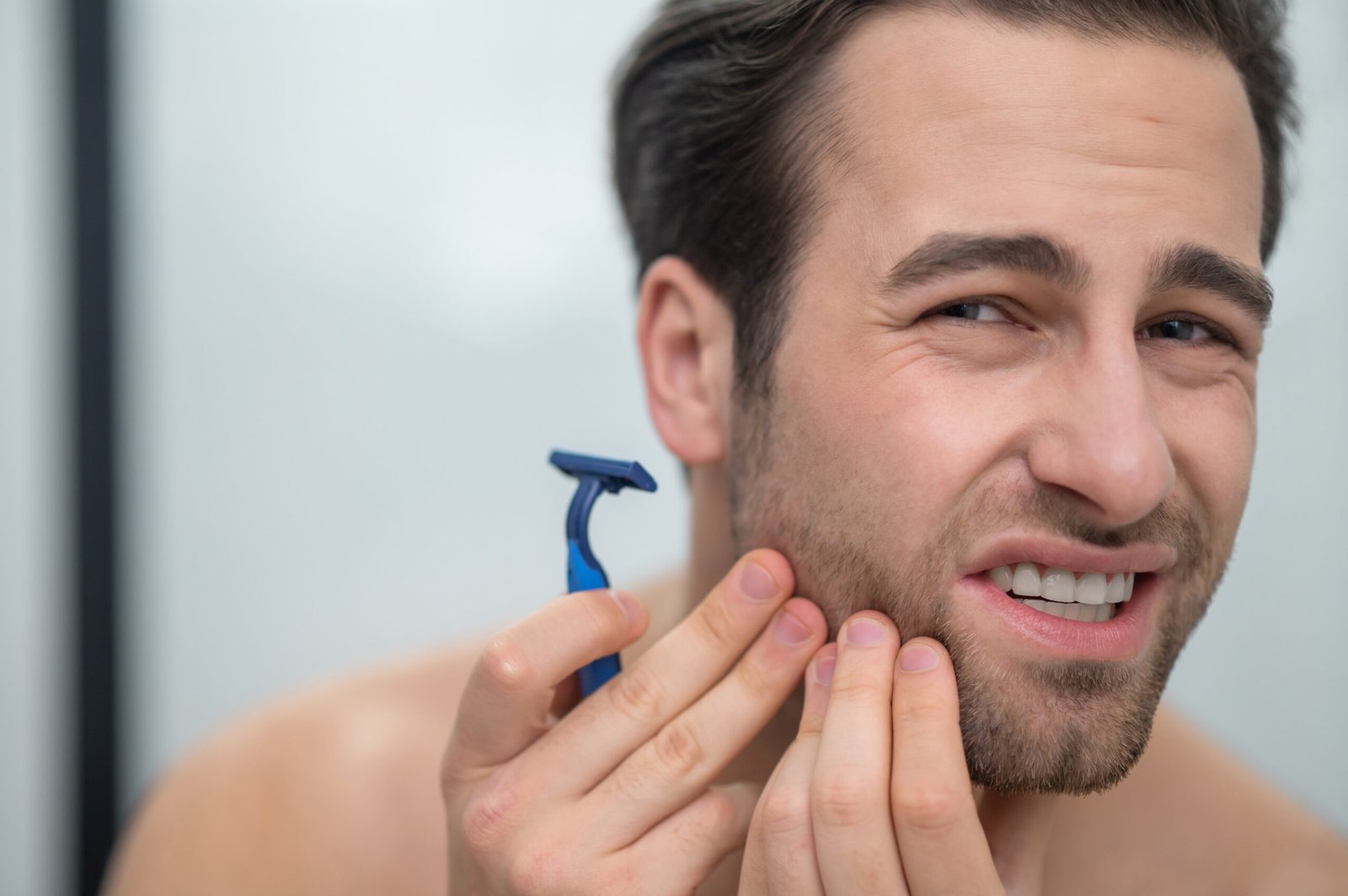
A few years back, I had a job interview on a Monday morning. I shaved that day, feeling all clean and confident, and by the time I reached the office my neck looked like I’d lost a fight with a cactus. Red, itchy, angry little bumps all along my jawline. I spent the whole interview resisting the urge to scratch and hoping nobody was staring.
If you are there, you know how frustrating it is. You shave to look sharper, and your skin punishes you for it.
The good news is that razor bumps are mostly preventable. After years of trial and error (and wasted money on products that did nothing), I have figured out what actually works. This guide covers all of it, from why bumps happen to the small habits that make the biggest difference.
What Are Razor Bumps, Really?
Razor bumps, regarded in scientific circles as pseudofolliculitis barbae, are small, raised bumps that show up after shaving. They may be crimson, purple, or darker than your natural skin tone, and that they regularly itch or sting. Sometimes they fill with a little fluid and seem like tiny zits.
They’re one-of-a-kind from razor burn, though people blend the 2 up all of the time. Razor burn is surface infection. It indicates up inside mins, feels hot, and commonly fades in an afternoon or so. Razor bumps take longer to appear, from time to time a day or , and they could loaf around for every week or greater.
The motive of these subjects is that the restoration for each one is a piece unique. Razor burn is typically about being gentle. Razor bumps are approximately what your hair does after you cut it, and that’s wherein most of the prevention work lies.
They can show up everywhere you shave: face, neck, legs, underarms, or the bikini line. Men frequently get them alongside the neck and cheeks, even as many ladies word them on their legs and underarms.
Why Razor Bumps Happen
Here’s the simple version. When you shave, you narrow the hair at or under the skin’s surface, leaving a pointy, angled tip. As that hair grows back, it can curl sideways and poke lower back into the skin rather than developing instantly out.
Your body treats that hair like a tiny splinter. It responds with infection, and that is the bump you see.
There are some things that boost your odds:
- Curly or coarse hair. Tightly curled hair has a herbal tendency to loop again towards the skin. This is why razor bumps are especially not unusual for human beings with curly hair.
- Shaving too near. The nearer the cut, the more likely the hair tip finally ends up beneath the skin surface.
- Shaving towards the grain. It gives you a smoother end, however it also pulls the hair up and cuts it lower.
- Dull or clogged blades. These tug and drag rather than reducing cleanly.
- Stretching the skin while you shave. When you pull the skin tight, the hair reduces shorter than you understand, after which it retracts under the floor once you permit go.
Knowing this changed how I approached shaving. It’s now not definitely approximately the products. It’s approximately controlling how the hair gets cut and the way it grows back.
Prep Work: The Step People Skip
I used to jump immediately into shaving with something soap changed nearby. Big mistake. Preparation is in reality half the battle, and it takes at best multiple extra minutes.
Soften the Hair First
Dry, stiff hair is more difficult to cut cleanly. Shave right after a warm bath, or preserve a warm, damp washcloth towards the region for a minute or two. Hair absorbs water and becomes distinctly softer, which means the blade glides in place of grabs.
I observed a huge difference the primary time I attempted this. The equal razor felt like a very different device.
Exfoliate Gently
A mild exfoliation earlier than shaving allows lift trapped hairs and clear away dead skin that may block the hair’s route out. You can use washcloth, a gentle face scrub or a chemical exfoliant with something slight like salicylic acid or glycolic acid.
Keep it gentle, though. Scrubbing difficult is a fast manner to irritate skin this is approximately to fulfill a blade. Two or 3 times per week is the maximum mass for maximum humans.
Use a Proper Lubricant
A thick shaving cream or gel creates cushion between the blade and your skin. Skip the foam that disappears. Look for a system that stays slick and helps you to see what you are doing.
If your skin is sensitive, select something fragrance unfastened. Fragrance is one of the most unusual triggers for inflammation, and you do not want it to get an awesome shave.
Choosing the Right Razor and Blade
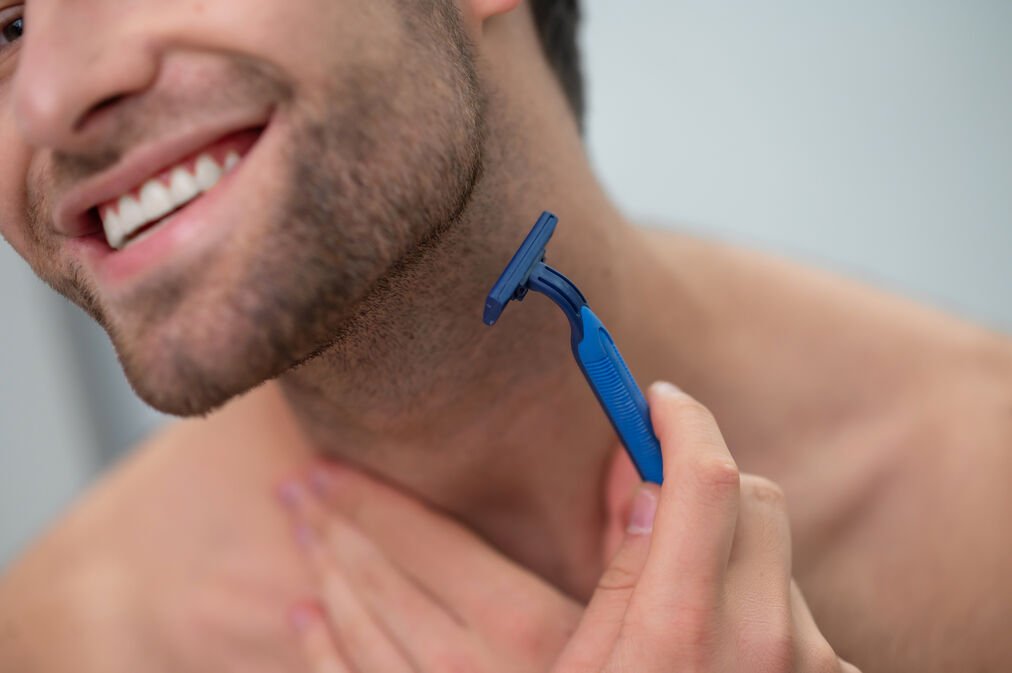
I wasted years using cheap razors and keeping them way too long. Then I actually paid attention to my tools, and my skin thanked me.
Fewer Blades Can Be Better
It sounds backwards, but a five-blade razor isn’t always the best choice for bump-prone skin. Multi-blade cartridges are designed to lift the hair and cut it in one pass, which can leave the hair tip lower than the skin line. For many people, that increases bumps.
A single-blade or double-edge razor tends to be kinder to curly hair because it doesn’t pull the hair up as it cuts. It does take some practice, so go slowly at first.
Replace Blades Often
A dull blade is a bump factory. As a widespread rule, switch your blade or cartridge after about five to seven shaves, or sooner in case you sense it tugging. If you shave a large location like your legs, you may want to replace it even more often.
Rinse the razor thoroughly after stroke and permit it to dry among uses. Leaving it wet in bath hastens dulling and let bacteria build up.
Consider an Electric Trimmer or Foil Shaver
If you keep getting bumps no matter what, an electric razor set to a longer setting might be your answer. It leaves a tiny bit of hair above the skin, so there’s no sharp tip sitting right at the surface. It’s not as close as a blade, but your skin might be a lot happier.
The Shaving Technique That Changed My Skin
Technique matters more than product you buy. This is the part where I finally saw real results, so I’ll walk through it step by step.
- Wash your face or the area with warm water and cleanser.
- Apply a layer of shaving cream or gel and let it sit for about 30 second.
- Shave with the grain meaning in the direction your hair grows. Not sure which way that is? Run your fingers over the area and feel which direction is smoothest.
- Use light pressure. Let the razor do the work. Pressing harder doesn’t give a closer shave, it just gives you more irritation.
- Don’t pull your skin tight. Keep it relaxed so the hair isn’t cut below the surface.
- Limit your passes. One or two passes is plenty. Going over the same spot again and again is one of the fastest ways to get bumps.
- Rinse with cool water when you’re done to calm the skin.
The “with the grain” advice was hard for me to accept. I loved that ultra-smooth feeling from shaving against it. But once I switched, my neck cleared up within a few weeks. A slightly less smooth shave is a small price to pay for skin that isn’t red and sore.
If you really want a closer result, try a second pass across the grain (sideways), never against it, and only after your skin has proven it can handle it.
Aftercare: What to Do (and Avoid) Once You’re Done
What you do in the ten mins after shaving can make or ruin your skin for the following few days.
Soothe and Moisturize
Pat your skin dry, do not rub. Then observe a gentle, alcohol-loose moisturizer or aftershave balm. Ingredients like aloe vera, witch hazel (alcohol-free variations), and calming oils can assist take the edge out.
Avoid vintage-school aftershaves loaded with alcohol. They sense dramatic, but that burning sensation is your skin being indignant, no longer “cleaned”.
Keep Hair Growing the Right Way
Once a day or each different day, use a soft brush or slight exfoliant on the vicinity to assist ingrown-inclined hairs find their way out. This is where a whole lot of people cross incorrect by means of scrubbing too aggressively. Gentle and consistent beats difficult and low.
Use Targeted Treatments Sparingly
Products with salicylic acid or glycolic acid can assist save you hairs from getting trapped. A lot of humans also like light-weight, non-greasy moisturizers made for bump-inclined skin. Try one product at a time so that you recognise what’s without a doubt assisting.
Common Mistakes That Make Razor Bumps Worse
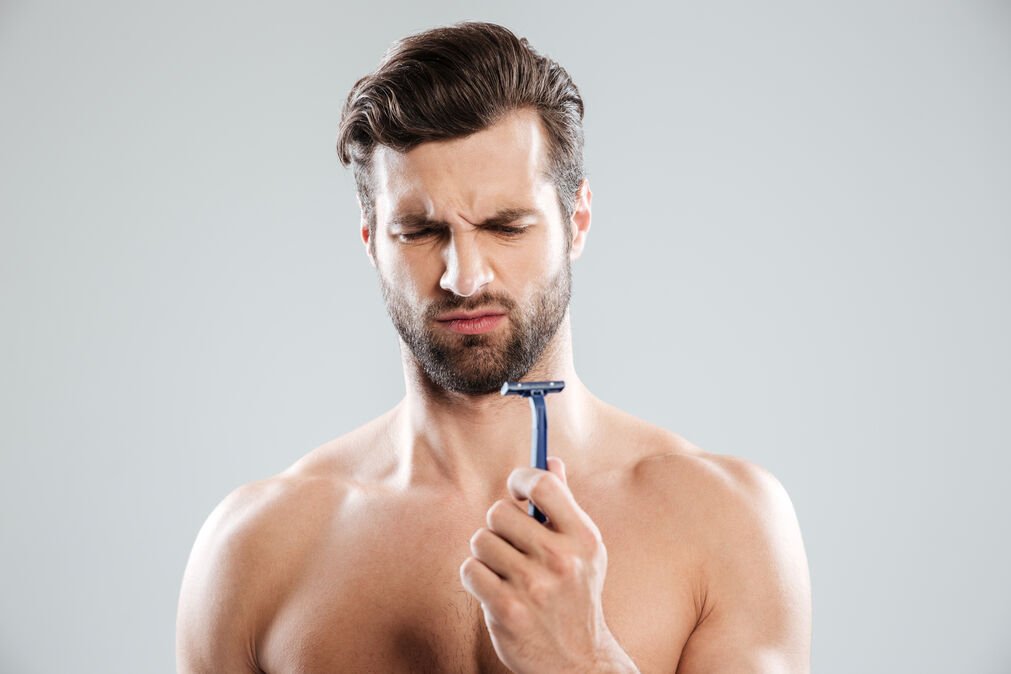
Looking back, I made nearly all of these. Here are the ones that cause the most trouble:
- Picking or squeezing the bumps. It is tempting, I know. But it leads to infection, scarring and dark marks that last for months.
- Shaving every single day. If your skin is prone to bumps, give it rest days. Every other day, or even a couple of times a week, is often better.
- Using a dirty razor. Bacteria on the blade can make irritation worse.
- Skipping moisturizer. Dry skin is more reactive and can trap hairs easily.
- Wearing tight clothing right after shaving. Rubbing from collars, straps or tight jeans can inflame freshly shaved skin. This one surprised me.
- Trying too many products at once. When everything changes at the same time, you have no idea what’s working.
One thing I’d add from my own experience: patience. It usually takes three to four weeks of consistent good habits before you really see your skin settle down. Don’t quit after a few days.
When Shaving Just Isn’t Working for You
Sometimes you do everything right and nevertheless get bumps. That’s no longer a failure on your part. Some people certainly have hair and skin that don’t get in conjunction with a razor.
- If it truly is you, there are some other paths really worth considering:
- Let the hair grow out a little, even a short beard or stubble, which gets rid of the sharp-tip trouble absolutely.
- Trimming in place of shaving with clippers set to a small shield period.
Talking to a dermatologist, especially if the bumps are painful, maintain coming returned or depart dark marks or scars. They can endorse prescription options or professional remedies that move past something you may locate at the drugstore.
Please do not ignore bumps that appear inflamed, that means they may be very painful, swollen or draining pus. That’s a terrific time to get expert recommendations rather than guessing domestically.
The Future of Bump Free Shaving
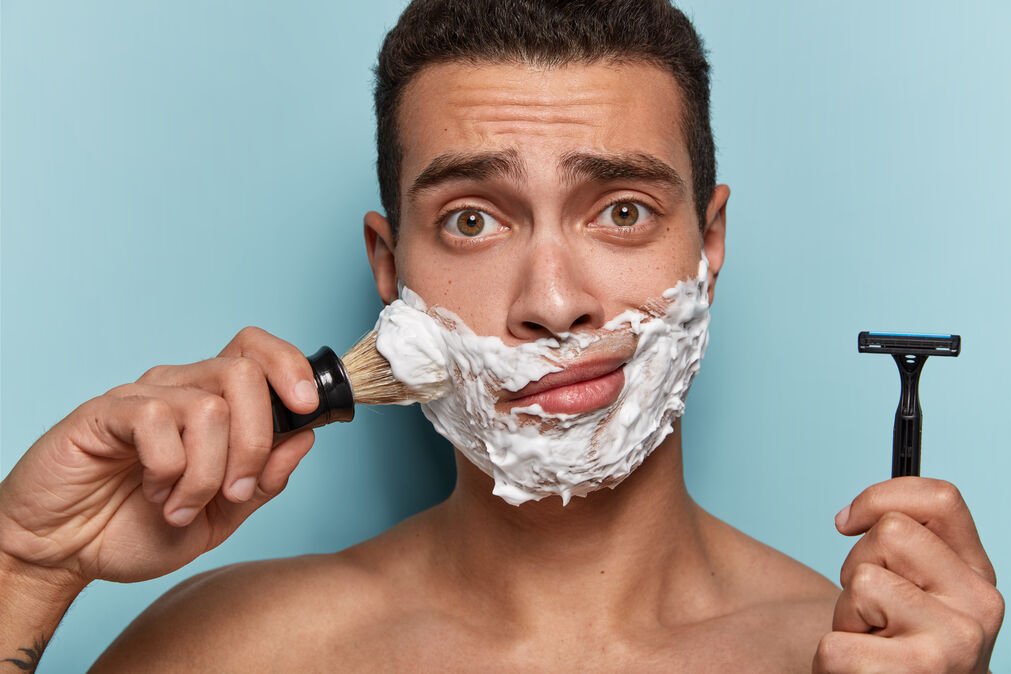
It’s encouraging to see how a good deal of attention this trouble is getting. Razor designs preserve evolving, with extra manufacturers focusing on touchy and curly-hair-pleasant alternatives rather than just chasing the “closest shave” idea. Skincare merchandise aimed particularly at bump-susceptible skin also are easier to find than they were once.
There’s additionally a growing communication round deciding on what works on your personal skin instead of following a one length fits all routine. That attitude shift is a good component. Your skin type, hair texture and lifestyle are specific and your routine has to mirror that.
Final Thought
If there’s one aspect I’d want you to put off, it is this: razor bumps are not something you just ought to live with. A few small adjustments, like softening the hair first, using a clean blade, shaving with the grain, and moisturizing afterward, can absolutely change how your skin looks and feels.
I still do not forget how self-conscious I turned into strolling into that interview. These days I do not suppose two times approximately it, and that comfort is worth some distance more than a barely nearer shave. Start with one or modifications this week, supply them time, and be type on your skin alongside the manner. You’ve got this.
FAQ’s
How lengthy do razor bumps take to move away?
Most razor bumps solve within a few days to every week if you leave them on my own and forestall shaving the location. Stubborn ones can ultimately last longer, in particular if they get indignant or picked on. Keeping skin moisturized and heading off tight clothing can help them.
Can I shave over razor bumps?
It’s great to keep away from it. Shaving over bumps irritates them in addition and may cause cuts or contamination. Give your skin a few days to relax first. If you need to shave, use a smooth blade, plenty of lubricant, and really light pressure, and keep away from going over the bumps time and again.
Does shaving with the grain truly make a difference?
Yes, it’s one of the handiest changes you can make. Shaving with the grain cuts the hair at a much less excessive angle, so it is less probably to curl returned into the skin. The finish can also sense a bit much less clean, however most people see enormously fewer bumps after switching.
Are razor bumps the same as ingrown hair?
They’re closely related. Razor bumps are basically inflamed ingrown hairs, in which a reduced hair curls back and grows into the skin. Not each ingrown hair becomes a bump, but while the skin reacts to the trapped hair, you get that crimson, raised, angry spot.
What’s the high quality aftershave for preventing razor bumps?
Look for an alcohol loose, perfume loose balm or lotion with soothing substances like aloe vera. Some human beings also do properly with products containing slight salicylic acid. The “fine” one varies from character to man or woman, so attempt one product at a time and see how your skin responds.