
Okay, real talk — I remember exactly when I quit regular sunscreen for good. Sticky July morning, I’d put my usual SPF on under makeup like always, and by 10am I looked like a ghost caught in the rain. White cast, patchy, somehow greasy and dry at the same time. A coworker literally asked if I was okay. I wasn’t sick. My sunscreen was just betraying me.
That’s how I ended up trying tinted sunscreen — honestly by accident. Grabbed a sample off a drugstore counter one day because I was running late and didn’t have time to think about it. Years later? Still the one product I never, ever skip. Rain, shine, dead of winter doesn’t matter.
If you’ve wondered whether tinted sunscreen lives up to the hype or you are sick of picking between looking “protected” and looking normal keep reading.
What Tinted Sunscreen Actually Is
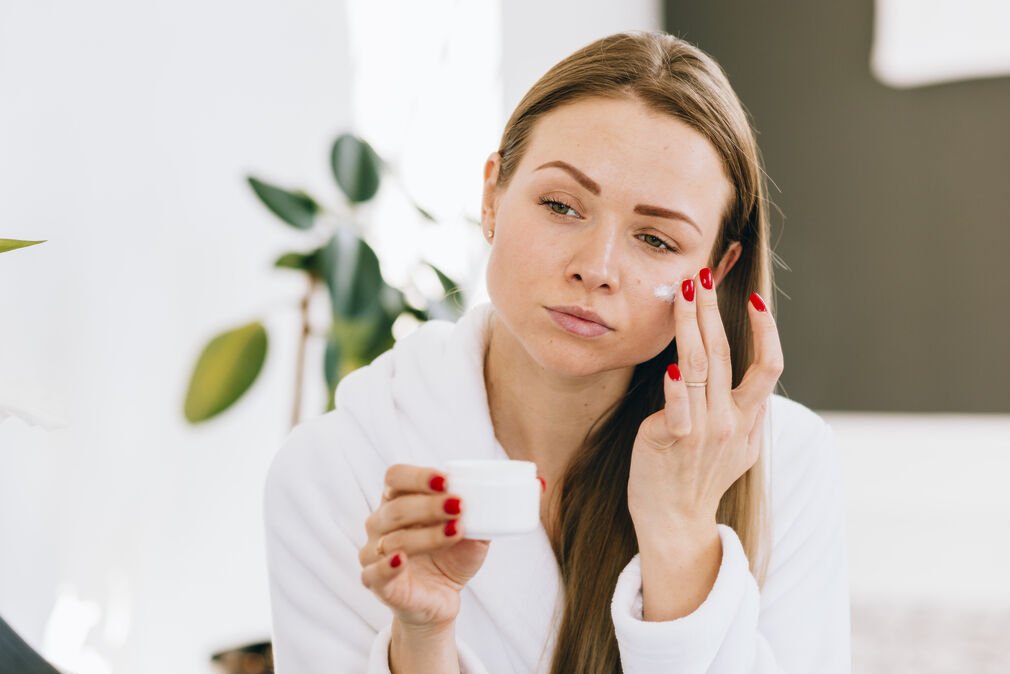
Tinted sunscreen is sunscreen with a bit of color mixed in usually from something called iron oxide. That color’s what helps it blend into your skin instead of leaving that white chalky look everyone hates.
It’s not really makeup but honestly on most days it works close enough to one. It evens out your skin tone a little while still doing its actual job — protecting you from the sun.
A lot of people mix it up with BB cream or CC cream but there is a real difference. Tinted sunscreen is sunscreen first tint second. BB creams have weak SPF or skip proper sun protection altogether which kind of defeats the point.
Why SPF Number Actually Matters
Here’s something nobody really explains well: the SPF number isn’t just there for show. It actually changes how protected you are.
- SPF 15 blocks around 93% of UVB rays.
- SPF 30 blocks around 97%
- SPF 50 blocks around 98%
On paper SPF 30 to 50 barely looks like jump. But spend one full day outside and you’ll notice the difference — that extra bit of protection really does add up.
Personally, living somewhere with strong sun most of the year, I never go below SPF 30. SPF 50’s what I use daily mostly because most of us don’t apply nearly enough sunscreen anyway (more on that mistake later).
One thing — SPF tells you about UVB protection. Always double check the label says “broad spectrum” too since that covers UVA rays which are behind aging and deeper skin damage. Skip that and you are getting half the protection you think you are.
Ingredients You Should Know
This part confuses people. So let’s keep it simple.
Good Ingredients to Look For
- Zinc oxide – gentle, safe, great for sensitive skin
- Titanium dioxide – similar to zinc, low irritation
- Iron oxides – this is what gives the tint, and it also helps block blue light
- Niacinamide – calms the skin and helps even out tone
- Hyaluronic acid – keeps skin hydrated so sunscreen doesn’t feel dry or tight
Ingredients to Be a Bit Careful With
- Oxybenzone and octinoxate – some people’s skin reacts to these, and they’re also being banned in some places for harming coral reefs
- Fragrance – fine for most people, but can irritate sensitive skin
- Too much alcohol – can dry out your skin, especially bad in already dry weather
I’m not saying chemical sunscreens are bad — lots of people use them without any problem. If your skin gets irritated easily. Starting with mineral tinted sunscreen is safer bet.
Why Tinted Sunscreen Is Actually Worth It

I’ll be honest — I put off making the switch for way longer than I should have. “Sunscreen with color” just sounded like a marketing gimmick to me. Turns out it fixed a bunch of problems at once.
- No more white cast — mineral sunscreens used to leave that chalky look, tint fixes this almost fully
- Saves time — sunscreen and light coverage together means one less step in the morning
- Blocks blue light too — normal sunscreen doesn’t protect well against blue light, but tinted formulas actually do, which really helps if you deal with dark spots or melasma
- You’ll actually wear it daily — sounds simple, but if something looks nice on your skin, you’ll keep using it. And using it daily is honestly the real key to sun protection
That last point matter more than people think. The sunscreen is one you’ll put on every day.
Chemical vs Mineral Sunscreen
This causes confusion so here is the simple version.
Mineral sunscreens basically sit right on top of your skin and bounce UV rays away instead of soaking them in. And honestly, that’s the best part — there’s no waiting around for them to “kick in.” They start working the second you put them on which makes them a solid pick if you’ve got sensitive or acne-prone skin. The downside — sometimes heavy or slightly white if not made well.
Chemical sunscreens absorb in to your skin and turn UV rays into heat then release it. They’re lighter and blend easily. Downside — more chances of irritation for sensitive skin, and some ingredients aren’t great for the environment.
Some sunscreens mix both types, which actually gives a nice balance — lighter feel with gentle protection.
Neither type is “the best” for everyone. It depend completely on your own skin.
Mistakes People Usually Make
After trying way too many tinted sunscreens, here’s where most people go wrong:
- Using too little product. People apply what they need. A nickel-sized amount for your whole face is the right idea.
- Not reapplying. Sunscreen isn’t a one-time thing. Every 2 hours in direct sun, or after sweating, you need to put it on again.
- Thinking tint replaces foundation fully. It’s light coverage only. If you need more, add a little concealer on top instead of more sunscreen.
- Forgetting neck and ears. I do this too sometimes. Sun damage doesn’t skip these areas.
- Choosing SPF just to avoid tanning. SPF isn’t only about tan lines — it’s about protecting your skin from real long-term damage.
How to Apply It the Right Way
The way you apply it honestly makes a bigger difference than people realize.
- Start with clean, moisturized skin — sunscreen blends better this way
- Use enough product don’t be shy with it
- Put small dots across your face then blend outward with fingers or a damp sponge
- Don’t skip ears, neck, and hairline
- Wait a minute before putting makeup on top
- Reapply every 2 hours if you’re outside, or use an SPF powder for touch-ups over makeup
What I Personally Think After Trying Many Brands
Over the years I’ve tried cheap ones, mid-range ones, and a few expensive ones too. Here’s my honest opinion.
Cheaper sunscreens aren’t necessarily bad for protection, but the texture and tint shade range vary a lot. I had a drugstore one that turned orange-ish by the afternoon which was not great.
The pricier ones have better shade ranges and blend smoother which matters if your skin tone is deeper or lighter than the usual “one shade fits all” option.
What I personally look for now — broad spectrum, SPF 30 or higher, a texture that doesn’t feel weird and a shade that matches instead of “close enough.”
What’s Coming Next in Tinted SPF
Honestly, skincare brands seem to be all-in on multi-tasking products lately, and tinted sunscreen is basically at the heart of that whole shift.
Things worth keeping an eye on:
- More shade ranges — because let’s be real, people with different skin tones deserve products that actually match, not just a one-size-fits-all tint
- Reef-safe, eco-friendly formulas becoming normal not a niche thing
- More sunscreens focusing on blue light and pollution protection, since screen time is a real thing now
- Sunscreens adding extra skincare ingredients like niacinamide and antioxidants right into the formula
A Few Final Words
If there is a thing I want you to take from this. It’s simple sunscreen work if you wear it. Tinted sunscreen basically solved the issue I always had with plain sunscreen. And honestly this is not about hopping on some trend — it’s about finding something that fits in to your life without feeling extra step.
Whatever brand you go with just stick with it. Your skin will thank you later.
FAQ’s
Can tinted sunscreen replace my foundation?
For most people yes. It evens out skin tone and gives light coverage. It won’t hide dark spots or acne marks like foundation. Use bit of concealer where you need it.
Does tinted sunscreen cause breakouts?
Depends on your skin and the formula. Mineral ones are better for acne skin. Before you use it on your whole face, check the label for “non-comedogenic” and patch test it first — better safe than sorry.
Should I wear it indoors too?
Yes. UVA rays pass through windows and still age your skin. If you sit near windows or use screens a lot, get one with blue light protection.
How much should I use?
A nickel sized amount about a quarter teaspoon for full face coverage. Less than that and you are not getting the SPF.