

Mirror, different light, tilt your head — and there it is. Brownish patch, cheek. When did that show up, exactly? Yeah, same. Sneaky, dark spots. Appear from nowhere, then refuse to leave. Googled at 1 AM, phone torch on your face? Not alone, trust me.
Friends, family, my own skin — talking to all of them, I’ve learned this: almost everyone hits dark spots eventually, yet nobody explains them properly. So, proper breakdown. No fluff. Real talk: why they show up, and what you can actually do.
What Exactly Are Dark Spots?

Hyperpigmentation, technically. Certain skin areas make more melanin than surrounding skin. Melanin — pigment, colours your skin. Clumps unevenly? Darker patches, that’s it.
Usually not dangerous. Not scary, either. Most times, just skin reacting to stress. Sun, inflammation, hormones, something else entirely. Spot changes shape, grows fast, looks unusual, though? Dermatologist, please. Better safe than sorry.
1. Sun Exposure and UV Damage
Biggest culprit, probably. And most of us? Underestimate it, honestly. UV pushes skin to make extra melanin, defence mode. Years of that, repeated, and you get “sun spots.” Or “age spots,” same thing.
My aunt, twenties, no sunscreen — “it wasn’t a big deal back then,” she said. Forties, cheeks and forehead, sun spots everywhere, concealer couldn’t fully hide them. Decades unprotected, catching up all at once, basically.
Tricky bit: sun damage builds. Not visible straight away. Silent accumulation, then one day — visible. Daily sunscreen, cloudy days included, makes a real difference long term. Genuinely.
2. Hormonal Changes (Melasma)
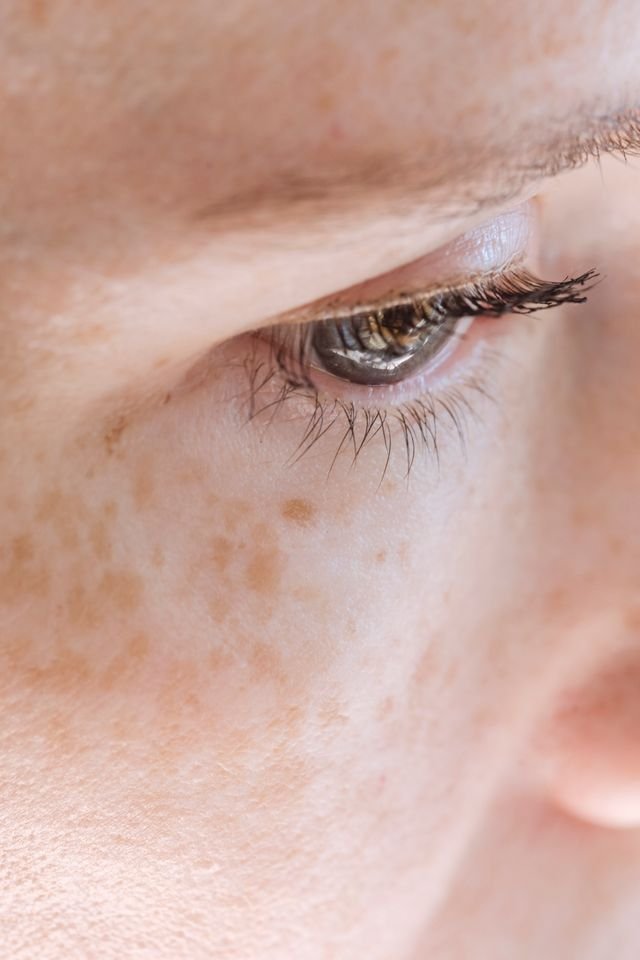
Stubborn, patchy discoloration. Cheeks, forehead, upper lip, usually. Hormonal shifts drive it — pregnancy, birth control pills, hormone therapy, any of those can trigger it.
Pregnancy, a lot of women notice melasma then. “Mask of pregnancy,” nickname for a reason. Frustrating part: hormones settle, it can fade on its own. Or stick around for years, sun exposure continuing, that happens too.
Suspect melasma? Dermatologist chat, rather than self-treating. Some over-the-counter products, used wrong, can actually make it worse.
3. Post-Inflammatory Hyperpigmentation
Dark mark, after trauma. Acne, eczema flare, cut, bug bite — inflammation signals extra pigment while healing, stubborn spot left behind.
College, bad breakout, me personally. Pimples gone in a week. Dark marks? Months to fade. That lag — “healed” versus “actually looking normal” — incredibly common, often misunderstood.
Darker skin tones, post-inflammatory marks tend to be more noticeable, longer-lasting. Patience, consistent care, really matter here.
4. Aging and Natural Skin Changes

Age, cell turnover slows. Significantly. Pigmented cells shed slower than they used to, so spots that faded in your twenties linger into forties, beyond.
Age spots — liver spots, though liver’s got nothing to do with it — show up where lifetime sun exposure was greatest. Face, hands, shoulders. Harmless, cosmetic concern for many, though.
Clock can’t be stopped. Antioxidants, retinoids, sun protection, though — supporting skin that way can genuinely slow how fast these spots develop.
5. Acne Scarring and Picking Habits
Honest, now — picked a pimple at least once? We’ve all done it, knowing we shouldn’t. Worsens dark spots, seriously, because picking ramps up inflammation and trauma.
- Natural healing process, disrupted
– Permanent scarring risk, increased
– Dark marks, darker and longer-lasting, often
Satisfying in the moment, I know. Future self, though, will thank you for resisting. Gentle spot treatment instead, pimple healing naturally — far less visible marks afterwards, usually.
6. Certain Medications

Medications, some of them, make skin more sun-sensitive. Or directly cause pigmentation changes, side effect. Certain antibiotics, hormone-based medications, some chemotherapy drugs — those are the ones.
Everyone on these medications gets dark spots? No, doesn’t mean that. Worth knowing, though. New pigmentation after starting a new medication? Tell your doctor, pharmacist — known side effect, they can confirm.
Patient information leaflet, always read it, prescriptions included. Sun sensitivity warnings, usually listed there. Extra sun precautions during treatment, pigmentation issues minimised that way.
7. Skin Injuries and Irritation
Acne aside, any injury — burns, cuts, insect bites, harsh chemical exposure — hyperpigmentation can follow, part of healing. Skin’s natural protection, slightly annoying, but natural.
Friend, minor kitchen burn, cheek. Wound healed completely, dark mark stayed almost a year. Faded eventually, consistent sunscreen and patience, that did it.
Takeaway, key one: any skin-barrier trauma can potentially leave a dark mark. Cuts and burns, treat gently, protect from sun while healing — really helps.
8. Genetics and Family History

Sometimes, genetics, plain and simple. Parents, grandparents, noticeable sun spots, freckles, uneven pigmentation — decent chance you’re more prone too.
Melanin production, how skin responds to sun or inflammation — genetics influence both. Doomed to dark spots? No, doesn’t mean that. Extra proactive with prevention, though, you might need to be.
Family skin history, knowing it, actually useful. Anticipate issues, start protective habits earlier, rather than later.
9. Pollution and Environmental Stress
Talked about enough? Not this one. Heavily polluted areas, free radicals, skin exposed — pigmentation accelerates, premature aging too. Long-term pollution, studies link it to increased melanin, dull uneven tone.
City, heavy traffic, industrial pollution, living there? Antioxidant-rich products, vitamin C serums, help combat some environmental damage. Double cleansing at night, pollutants removed, noticeable difference over time, too.
Internally only? No. Environment, skin health — bigger role than most people realise.
10. Nutritional Deficiencies
Less commonly discussed, but certain deficiencies — vitamins B12 and folic acid particularly — associated with pigmentation changes, in some cases. Balanced diet, overall skin health and repair, supported that way.
Popping vitamins erases existing spots? No, doesn’t mean that. Good nutrition, though, supports skin’s natural healing and regeneration. Antioxidant-rich foods, healthy fats, vitamins — healthier, more even-toned skin over time, generally.
Deficiency suspected, affecting your skin? Blood work, healthcare provider consult, rather than self-diagnosing. Best route.
(Suggested image placement: A close-up before-and-after comparison of skin with sun spots fading over time — alt text: “before and after sun spot fading on facial skin with consistent sunscreen use”)
How to Prevent and Manage Dark Spots

Prevention, honestly, way easier than treatment, dark spots included. What’s genuinely worked, research plus real skincare-community experiences:
- Sunscreen daily — SPF 30 or higher, rain or shine
– Picking acne or scabs, avoid it — skin heals naturally, let it
– Antioxidant serums, vitamin C, environmental damage fought that way
– Patience with treatments — pigmentation fades gradually, not overnight
– Exfoliate gently, healthy cell turnover supported
– Hydrated, balanced diet, stay that way
(Suggested image placement: A person applying sunscreen on their face in natural morning light — alt text: “applying broad spectrum sunscreen to prevent dark spots on face”)
Consistency, genuinely, matters more than any miracle product. Hundreds spent on serums, sunscreen skipped — purpose defeated, entirely, I’ve seen it.
Common Mistakes People Make
Unintentionally, a lot of people make dark spots worse, small daily habits. Common slip-ups, here:
- Sunscreen skipped, cloudy or indoor days
– Over-exfoliating, skin irritated, pigmentation worsened
– Harsh lemon juice, DIY acidic remedies (skin can burn, these)
– Overnight results expected, from treatments
– New or changing spots ignored, dermatologist not consulted
(Suggested image placement: A dermatologist examining a patient’s skin with a magnifying tool — alt text: “dermatologist checking skin for dark spots and pigmentation concerns”)
Mistakes avoided alone, progress speeds up significantly, even without a ton of new products in your routine.
Final Thoughts
Incredibly common, dark spots. Cosmetic annoyance, mostly, health emergency, not usually. Root cause understood — sun damage, hormones, acne, something else — right approach chosen so much easier, that way.
Patient with your skin, be that. Time to fade, these things take it, consistency beats quick fixes, every single time. Anything unusual, shape changes, just doesn’t sit right? Dermatologist, don’t hesitate. Extra peace of mind, your skin deserves that.