

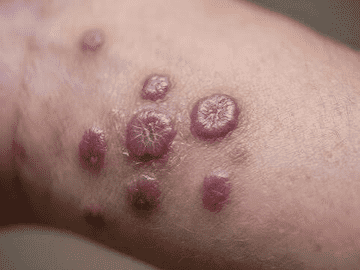
I remember the exact moment I noticed it — a cluster of small, itchy purple bumps showed up on my wrist and at first I just blamed it on a new laundry detergent. Two weeks later, when they still hadn’t gone anywhere and a few more had shown up on my ankle, I finally gave in and booked a dermatologist appointment. Turns out it was lichen planus. If you are here because something similar appeared on your skin or even inside your mouth. I get confused and that wave of panic.
What Is Lichen Planus?

Lichen planus causes swelling and irritation on your skin, mouth, nails and sometimes your scalp or private parts too. The good news is it’s not contagious — you can’t catch it from someone or get it from sharing a towel.
Doctors think it happens when your immune system mistakenly attacks your own skin or mouth cells. Nobody knows why in most cases which is one of the most frustrating parts.
My dermatologist told me it usually shows up in middle-aged adults, but really, anyone can get it. It also comes and goes on its own — you get a flare-up, it clears and then months later, it just shows up again.
How to Recognize Lichen Planus on Your Skin
This is probably the part most people are here for so let’s get into it. Classic skin lichen planus has a pretty recognizable look once you know what you’re checking for.
The “Six P’s” Doctors Talk About
Dermatologists like to explain it with this little memory trick:
- Purple — the bumps usually have a violet or purplish tint to them
- Polygonal — flat, angular edges instead of nice round ones
- Planar — flat on top, not raised up like a little dome
- Pruritic — fancy word for itchy, and sometimes it’s really itchy
- Papules — small, solid little bumps
- Plaques — when a bunch of those bumps cluster together into bigger patches
Honestly, when I first saw mine, I figured “polygonal” was just doctors being dramatic — until I actually grabbed a magnifying mirror and looked closer. And yeah, the edges really are a bit angular, almost like tiny geometric shapes instead of smooth circles.
Where It Usually Shows Up
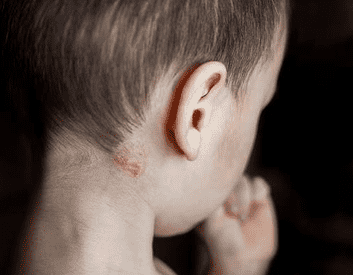
Mine started on my wrist which turns out to be one of the common spots. A few other places it tends to pop up:
- Inner forearms
- Ankles and shins
- Lower back
- Genital area, for some people
You might notice these fine white lines running across the bumps. They are called Wickham’s striae and they are a really useful clue that helps doctors tell it apart from eczema or psoriasis.
Lichen Planus in the Mouth: A Whole Different Beast
Oral lichen planus look nothing like the skin version and that’s honestly why it’s so easy to miss — people think it’s canker sores or irritation from a rough tooth.
Inside the cheeks, gums or tongue. It shows up as lacy white patches kind of delicate lace or spiderwebs on the tissue. Some people get red swollen patches or painful sores.
A friend of mine had this for a whole year before she finally got properly diagnosed. She said it felt like constant rawness with anything spicy or acidic — tomato sauce, orange juice that kind of thing would set off a burning feeling instantly.
Signs of oral lichen planus can include:
- White, web like patches on the inside of your cheeks
- Sore, red gums that bleed easily than usual
- Painful ulcers that make chewing a pain
- A burning feeling, especially with certain foods
If you’re seeing lacy white patterns in your mouth that just aren’t going away after a couple weeks it’s worth getting checked out instead of brushing it off as stress related irritation.
Other Places It Can Show Up
Skin and mouth usually get most of the attention, but lichen planus doesn’t always stop there. It can also affect:
Nails
You might notice your nails thinning, developing ridges or splitting. In more severe cases, the nail can actually start disappearing altogether — a rare but real complication called pterygium.
Scalp
When it hits the scalp it’s called lichen planopilaris and it can cause patchy hair loss along with redness and scaling around the hair follicles. This one, understandably, tends to worry people the most.
Genital Area
Lesions here can look similar to lichen planus else where on skin but they tend to be sensitive and uncomfortable sometimes causing pain during intimacy.
What Triggers Lichen Planus?
Nobody has a perfect answer but researchers and dermatologists have identified some common associations worth knowing about.
Possible triggers or associations include:
- Hepatitis C infection (a notable link seen in some studies)
- Certain medications including some blood pressure drugs or NSAIDs
- Allergic reactions to metal fillings (in oral cases)
- Stress, which seems to worsen flares even if it doesn’t directly cause them
I’ll be honest — when my dermatologist mentioned stress as a factor I rolled my eyes a little. But after tracking my own flares for a few months. I noticed a pattern: my outbreaks lined up with my stressful work weeks so take that anecdote for what it is worth.
How Is It Diagnosed?
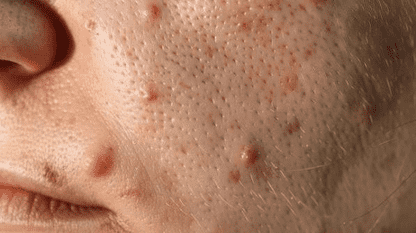
Dermatologists can tell it’s lichen planus by eyeballing it when those classic purple, angular and itchy bumps show up but they’ll want to confirm it before calling it official.
Here’s basically what the process looks like:
- They take a look at your skin
- Check your mouth and nails too, if that’s relevant
- Do a small skin biopsy — they numb the area and take a tiny sample
- Sometimes run blood tests, just to rule out hepatitis C or anything else that might be going on
And honestly, the biopsy sounds way scarier than it is. Mine took maybe ten minutes and a week later the results came back confirming what the dermatologist figured from looking at it.
Treatment Options That Actually Help
There’s no single cure for lichen planus but there are plenty of ways to manage the itching, discomfort and appearance while it runs its course.
Topical Treatments
Corticosteroid creams are usually the first thing doctors reach for with skin lesions. They do a pretty good job calming down inflammation and cutting back on itching.
Oral Medications
For cases that are more widespread or just won’t budge, doctors sometimes prescribe oral corticosteroids or other medications that work on your immune system.
Mouth Specific Treatments
Oral lichen planus responds well to steroid rinses or gels applied directly inside the mouth right on the affected areas.
Light Therapy
In some cases, phototherapy — basically controlled UV light exposure — can help clear up stubborn skin lesions when creams alone just aren’t cutting it.
Honestly, after trying this myself, I found that combining a prescribed steroid cream with antihistamines at night made the biggest difference in getting through the itchiest part of it.
Living With Lichen Planus — Practical Tips
Managing day to day life with this condition is about patience than anything dramatic. Here’s what helped me personally:
- Avoid scratching, even when it’s unbearable — it can make lesions worse or lead to scarring
- Use fragrance free moisturizers to avoid further irritation
- Stick to soft, mild foods if you have oral involvement (spicy and acidic foods are brutal)
- Keep stress in check where you can — easier said than done but it genuinely seems to matter
- Wear loose breathable clothes over affected skin.
Flares can go on for weeks or months so don’t stress if it is slow to clear. It gets better with time though some marks might stay behind after the bumps are gone.
Common Mistake People Make
A few things I’ve seen people (myself included) get wrong early on:
- Assuming it’s just an allergic reaction and waiting way too long to see a doctor
- Scratching at it too much, which only makes the inflammation worse and can leave dark spots behind
- Brushing off mouth symptoms because they don’t seem as “serious” as skin bumps
- Skipping follow up appointments the moment things start feeling better
Catching it early and sticking with your treatment plan makes the thing more manageable.
Final Thought
Dealing with lichen planus really isn’t fun and there is this strange kind of loneliness that comes with having a skin condition most people have never heard of. But once you actually understand what it looks like and why it’s happening, it gets a lot less scary to deal with.
If you are noticing purplish, itchy bumps or white patches in your mouth that aren’t going away please don’t sit on it — go get it checked. Catching it early make difference and you deserve to feel comfortable in your own skin.
FAQ’s
Is this contagious? Am I gonna give it to someone?
Nope, don’t worry about that at all. This isn’t an infection, it’s your immune system doing its own thing internally — so touching someone, sharing a towel, none of that spreads it. You are fine being around people while you are dealing with a flare.
Will this just clear up on its own if I don’t do anything about it?
Actually, yeah, sometimes! Skin lichen planus often clears up on its own in a year or two, even if you don’t do much about it. Mouth cases are a bit trickier though — they tend to stick around longer and need more ongoing care. Either way still worth getting a dermatologist to take a look.
Am I going to be left with scars?
Maybe, but not always. Sometimes it leaves behind darker patches of skin, especially if your skin’s on the deeper side — that’s just leftover pigmentation, not really a scar. Actual scarring is rarer, but it can happen if you were scratching a lot during the flare.
Dermatologist or regular doctor — who do I actually need?
Either one’s a place to start. But dermatologists just see this stuff more often, so they’re usually quicker to recognize it. If your regular doctor’s unsure, they’ll send you to a dermatologist anyway to confirm and figure out treatment.