
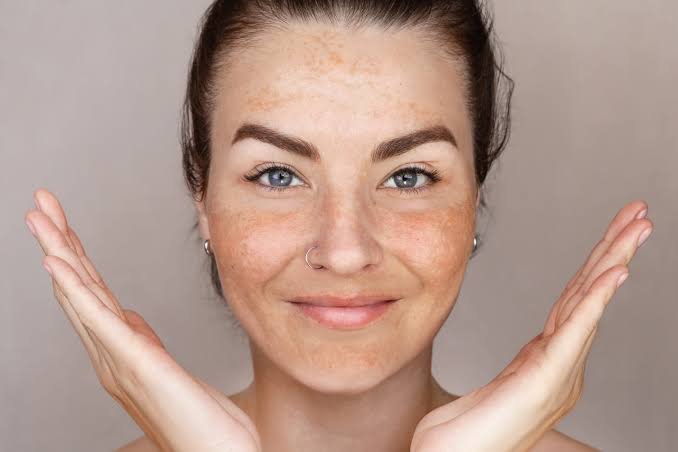
I can still picture it — standing in front of my bathroom mirror three years ago, tilting my chin toward that harsh light. Looking at these brown spots on my cheeks from a whole summer of “forgetting” sunscreen. I wasn’t vain about it. But every time I looked at old photos from that year. I’d look at the spots before I even noticed my own smile. That’s what pushed me into a two-year deep dive — dermatologist appointments, drugstore serums, plus a few home remedies my grandmother always believed in. Some worked. Some were a complete waste of money. This article is basically everything I wish someone had just told me before I even started.
What Causes Dark Spots on the Face
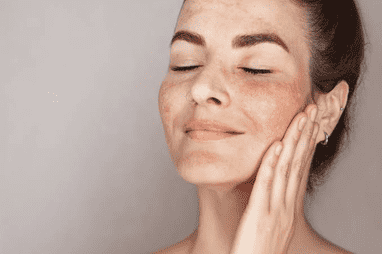
Dark spots — or hyperpigmentation as it is technically called — happen when your skin produces extra melanin in certain spots. It’s not random — there’s almost always something triggering it.
From what I’ve seen (and dealt with myself), the usual suspects are:
- Sun exposure — UV rays kick melanin production into gear as a defense mechanism, which is why spots love showing up on cheeks, forehead, and nose.
- Post-acne marks — those flat brown or reddish marks that stick around after a pimple heals.
- Hormonal changes — melasma, which is common during pregnancy or with birth control, shows up as bigger, symmetrical patches.
- Aging — people usually call these “age spots” or “liver spots,” and they show up in areas that have seen decades of sun exposure.
- Skin injuries — cuts, burns, or even harsh skincare can leave marks behind.
Honestly sun exposure ended up being my culprit hands down. I used to think sunscreen was beach thing.
Medical Treatments That Actually Work
If you’re after faster more dramatic results, dermatologist recommended treatments tend to beat home remedies every time. Here’s what’s actually backed by clinical use.
Topical Ingredients
These are the go to active ingredients dermatologists keep reaching for:
- Vitamin C serum — brightens your skin and fights off free radical damage. I use this every single morning, and honestly, it made a real, visible difference within about six weeks.
- Niacinamide — calms down inflammation and evens out your skin tone without irritating even sensitive skin.
- Retinoids (retinol or prescription tretinoin) — speed up how fast your skin cells turn over, which fades spots quicker. This one actually stung a bit for me at first, so definitely start slow.
- Hydroquinone — a stronger prescription strength lightening agent used short term and under a doctor’s watch.
- Azelaic acid — gentle enough for sensitive or acne prone skin but still works on targeting pigmentation.
In-Office Procedures
If your spots are sit deep in skin, professional treatments can speed things up:
- Chemical peels — strip off the damaged outer layer of skin revealing fresher skin below.
- Laser therapy — goes straight for the pigment. I actually tried this once for a really dark patch and noticed real fading after just two sessions.
- Microneedling — creates tiny, controlled injuries that get your collagen working, which can help fade marks over time.
- IPL (Intense Pulsed Light) — The go to for sun damage or larger areas of discoloration.
Just know these aren’t cheap and they do come with some downtime so they’re not for everyone but if your spots are deep or just not budging with creams, they’re worth talking to a professional about.
Home Remedies Worth Trying

Not everyone wants to jump straight into spending money on treatments, and honestly, some home remedies actually work — especially on spots that are lighter or newer.
Here’s a few I’ve tried myself (results really do vary, so give it time):
- Aloe vera gel — has this stuff called aloin in it, which naturally helps lighten skin. Just put fresh gel on at night.
- Lemon juice (diluted) — the acids in it can lighten spots, but it can also irritate sensitive skin, so test a small patch first.
- Turmeric and honey mask — calms inflammation and gives a bit of brightening if you keep using it regularly.
- Green tea extract — loaded with antioxidants that help calm down inflammation-related dark spots.
- Apple cider vinegar (diluted) — has acetic acid in it, which people say helps lighten spots after a few weeks of use.
Not gonna lie, the turmeric mask was pretty messy — stained my pillowcase more than once. But after about a month of doing it regularly, my skin did look brighter. Home remedies just take longer than medical treatments though, so don’t expect overnight miracles.
Daily Habits That Prevent New Spots
Treating the spots you already have is only half the job. Change nothing about your habits, and new spots just keep coming.
- Put on broad spectrum SPF 30+ daily, sun or clouds, doesn’t matter.
- Stop picking at acne or scabs. Seriously, that’s a huge cause of those dark marks.
- Outside for a while? Reapply sunscreen every couple hours when you’re outside.
- Between 10 a.m. and 4 p.m., the sun’s hitting hardest — grab a hat if you’re out during that window.
- Simple skincare wins here. Too much exfoliating makes pigmentation worse not better.
Honestly took me forever to figure this one out. But now sunscreen’s non negotiable — no matter what. Used to think cloudy days gave me a pass. Nope. Turns out UV rays don’t care about clouds at all — they get through just fine, even when you can’t feel the sun.
Common Mistakes People Make

I’ve made a lot of these myself, so think of this as a “learn from my mistakes” section.
- Expecting overnight results. Pigmentation takes weeks, sometimes months to fade — no matter what treatment you’re using.
- Combining a bunch of actives at the same time usually backfires — it irritates the skin and makes spots look worse for a bit.
- Skipping sunscreen while using brightening products. That combo can make your skin even more sensitive to sun damage.
- Picking at spots or scabs. This just restarts the healing process and makes the discoloration deeper.
- Using harsh scrubs, thinking exfoliating harder will fade spots faster. It just ends up irritating your skin more.
How Long Treatment Really Takes
Here’s the part nobody like hearing but it’s true. Most creams and serums take about 8 to 12 weeks before you actually see a difference, since skin just takes time to renew itself. Older or deeper spots can take months, sometimes even a full year, to fully fade, even if you’re doing everything right.
Things like lasers or peels can speed the process up, but they usually need a few sessions, spread a few weeks apart. From what I’ve noticed with my own skin, and from friends who’ve gone through it too, sticking with something consistently matters way more than going in hard with strong products. Using mild every day beats using something strong once in a while.
When to See a Dermatologist

For light surface level spots home remedies and drugstore products do the trick. But there are times it’s worth booking an appointment:
- Spots are spreading rapidly or changing shape
- A spot has irregular borders or multiple colors (this could signal something more serious, like a mole that needs checking)
- Over the counter treatments haven’t worked after 3–4 months of consistent use
- You’re dealing with melasma, which often needs a tailored treatment plan
- If you need something stronger, like tretinoin or hydroquinone, that’s prescription-only, so you’ll need a dermatologist for that.
They can also run a proper skin check to figure out what exact type of pigmentation you’re dealing with — not all dark spots react the same way to treatment.
Final Thoughts
I get how frustrating dark spots can be — I’ve stood in front of that mirror plenty of times myself, wondering why nothing seemed to be working. But honestly? With the right sun protection the right ingredients and patience. Most dark spots do fade significantly. It doesn’t happen fast. Some days you’ll feel like ditching the whole routine. Try not to. Don’t rush it. Be kind to your skin give it the time it needs and remember — everyone heals at their own pace and that’s normal.
FAQs
Do dark spots ever fade completely on their own?
Kind of depends, honestly. If you’re young and it’s just a mark left over from a pimple, yeah, that’ll probably fade by itself in a couple months. But sun spots or age spots? Those are stubborn. They usually just sit there unless you actually do something about it — sunscreen, a decent serum, that kind of thing. That extra melanin sticks around unless you push it out.
Is it okay to put lemon juice on dark spot everyday?
Nope, I would not recommend it. It’s acidic, and daily use is pretty much a guaranteed way to end up with dry, irritated skin. It can make you more sensitive to the sun which is the opposite of what you want. If you’re gonna use it at all, water it down, keep it to like twice a week max and seriously, always put sunscreen on after.
Dark spots or melasma — how do you tell them apart?
Nope, different things. Dark spots are usually small, come from stuff like sun damage or old acne. Melasma’s bigger — like patches, often on both sides of your face evenly, and it’s usually a hormone thing. It’s a lot more stubborn too, honestly, you’ll probably want a dermatologist involved if that’s what you’re dealing with.
Does what you eat actually affect dark spots?
Somewhat, yeah. Stuff with antioxidants, vitamin C, healthy fats — that can help your skin repair itself and calm down inflammation, which might speed up fading a bit. It’s not gonna fix everything on its own though. Works best when you’re doing it alongside actual skincare and sunscreen.