
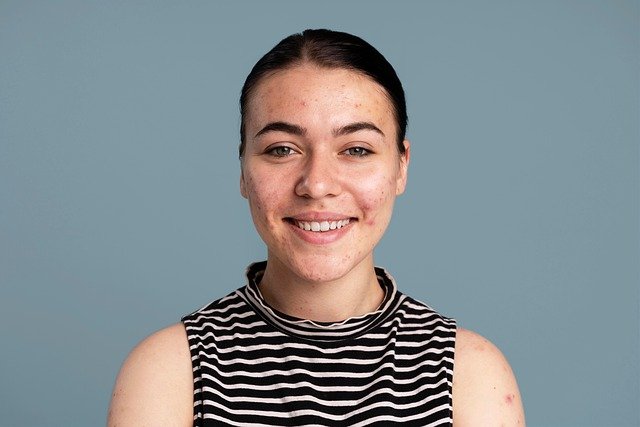
I was 27. Morning, mirror, chin — and this red lump, sore to touch, that simply would not go. Teenage spots? Never like this. This was underneath, deep down, red and angry on the surface, aching the way a bruise aches when you can’t see it. No name for it yet. Just a gut feeling: this isn’t normal acne. And that not-knowing, honestly, knocked me sideways confidence-wise.
Name came later — hormonal cystic acne. Understanding what it looked like, what set it off, suddenly a lot made sense. If that’s you right now, mirror in hand, asking is this just a spot, or deeper? Read on, this is for you.
What Is Hormonal Cystic Acne, Exactly?
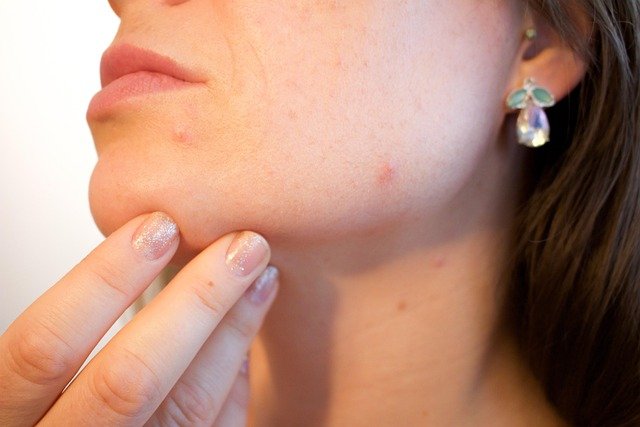
Key difference: it’s underneath. Not on top, like a whitehead. Hormones shift — period, pregnancy, PCOS, stress, take your pick — and a pore gets clogged deep down with oil, dead skin, bacteria. Then your immune system goes at that inflammation, hard.
End result? A big lump, swollen, sore, hanging around for days. Weeks, sometimes. A head, like a normal spot gets? Rarely, in my case. Waiting for it to do something, anything — that was half the frustration, right there.
Looks aren’t the whole story, either. Day in, day out, it grinds you down. That emotional side? Real. Counts for a lot, even when nobody else can see it.
The Telltale Signs: What Hormonal Cystic Acne Looks Like
Alright — appearance, then. Likely why you clicked in the first place. Plain breakdown, coming up:
Visual characteristics include:
- Large, red or pink bumps that look swollen rather than sharp
– No visible whitehead or pus-filled tip, at least not at first
– Skin around the bump often looks shiny or tight from inflammation
– Sometimes the bump has a slightly purple or dark red tint, especially on fairer skin
– On deeper skin tones, it can appear as a raised, darker, inflamed area
What it feels like:
- Tender or sore to the touch, sometimes even before you can see it
– A deep, almost throbbing sensation under the skin
– Larger than a typical pimple — often the size of a pea or bigger
– Can feel hard or firm, almost like a small lump
I’ve had cysts I could feel brewing two days before they even became visible. That’s the hormonal acne tell, in my experience — it announces itself with pain before it shows up visually.
Image Here: Close-up of hormonal cystic acne on the chin and jawline — Alt text: “hormonal cystic acne on jawline showing deep red inflamed bump”
Where It Usually Shows Up (And Why)
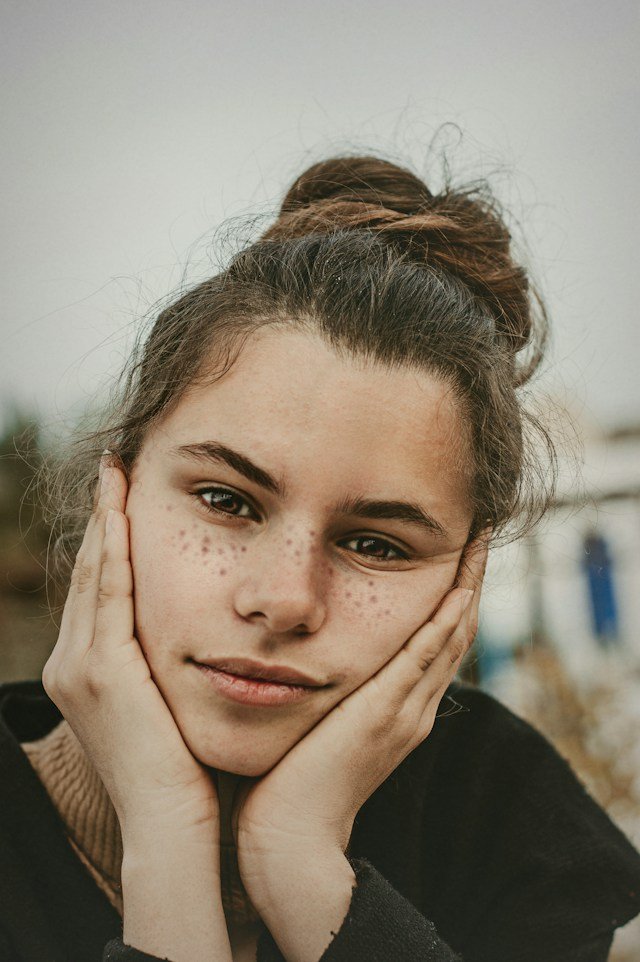
Hormonal cystic acne has favourite spots, and mine always seemed to know exactly where to strike.
The Jawline and Chin
This is the classic zone. Hormonal breakouts love the lower third of the face — chin, jawline, and sometimes down onto the neck. This area has a high concentration of oil glands that are sensitive to androgens, which is why hormone fluctuations hit here the hardest.
Along the Cheeks Near the Jaw
Some people also get breakouts that trail from the jaw up along the lower cheeks. It’s less common than chin breakouts, but it still follows the same hormonal pattern.
Occasionally the Back and Chest, Honestly
People talk about it less, but the upper back and chest can get it too, particularly around big hormonal shifts — pregnancy, or starting or stopping birth control.
Hormonal Acne vs. Regular Acne: Key Differences, Honestly
A dermatologist changed that for me. Until that conversation I’d lumped every breakout together — afterwards, my whole skincare approach shifted.
Regular (surface) acne:
- Usually forms closer to the skin’s surface
– Often has a visible whitehead or blackhead
– Tends to show up across the forehead, nose, and cheeks (the T-zone)
– Responds fairly well to topical treatments like salicylic acid
Hormonal cystic acne:
- Forms deep under the skin
– Rarely comes to a head — often just sits and throbs
– Mostly around the jaw, chin and lower face
– Flares in a cycle, often just before a period
– Often doesn’t respond to ordinary over-the-counter spot treatments
Breakouts that turn up like clockwork, same time each month? That’s a major clue. Far more likely hormonal than ordinary congestion.
What Causes These Deep, Painful Breakouts
Understanding the why helped me stop blaming my skincare routine — which, spoiler, wasn’t actually the problem.
Hormonal Fluctuations, Honestly
Androgens, including testosterone, can send your oil glands into overdrive. Extra oil raises the odds of pores getting clogged and inflamed.
Menstrual Cycle Changes
Many women notice flare-ups in the week leading up to their period. In that week progesterone is up, estrogen is down, and together they create ideal breakout conditions.
Polycystic Ovary Syndrome (PCOS), Honestly
PCOS often means excess androgens, and those can drive cystic acne that just won’t quit, jawline especially. Add irregular periods to relentless acne, and it’s worth bringing up with a doctor.
Stress
Stress raises cortisol, which in turn can indirectly push oil production up as well. I know — “just relax” is basically impossible advice, but managing stress genuinely does help some people’s skin.
Diet (Sometimes), Honestly
Diet is hotly debated here. Some people do notice flare-ups after a lot of sugar or dairy, though it doesn’t apply to everyone — tracking your own pattern is the useful part.
Common Mistakes People Make When Treating It, Honestly
Before I worked out what helped, I’d made just about every one of these mistakes.
Popping or picking at it. The urge is understandable, but a cyst sits too deep for popping to do any good — it usually worsens things and raises the risk of scarring.
Using harsh physical scrubs. This irritates already-inflamed skin and can make redness and swelling worse.
Over-drying the skin. Piling on too many acne products at once strips the skin, which can prompt it to make even more oil in response.
Ignoring the hormonal root cause. Topical treatments alone often aren’t enough if the real issue is internal hormone imbalance.
Switching products too fast. Most acne treatments need 6-8 weeks to show real results, so changing too soon means nothing ever gets a fair trial.
Practical Tips That Actually Help, Honestly
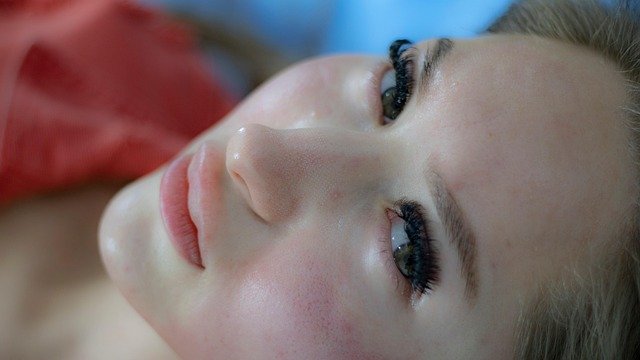
After years of trial and error and several dermatologist visits, these are the things that actually helped me, and that skincare experts generally recommend.
Skincare routine adjustments:
- Gentle, non-comedogenic cleansers, with nothing too stripping
– Niacinamide, to help calm inflammation
– Benzoyl peroxide spot treatments for surface support — they won’t fully treat a cyst on their own
– No heavy, pore-clogging makeup while you’re flaring
Lifestyle tweaks:
- Tracking your cycle, so flare-ups don’t catch you by surprise
– Prioritize sleep — seriously, this one matters more than people think
– Reduce processed sugar if you notice a personal connection
– Stress management in whatever form actually works for you — walks, journaling, therapy, anything
Medical options worth discussing with a professional:
- Hormonal birth control, where certain types can help regulate breakouts
– Spironolactone, an androgen-blocking medication
– Topical retinoids, prescribed by a dermatologist
– Short-term oral antibiotics for flare control — not a long-term fix
Two years of trial and error taught me this: a consistent, gentle routine plus tackling hormones internally made the real difference. Skincare alone? Not enough, for me at least — and accepting that mattered, if you’re in the same boat.
Image Here: Before and after skincare routine for hormonal acne — Alt text: “skincare routine for treating hormonal cystic acne breakouts”
When to See a Dermatologist, Honestly
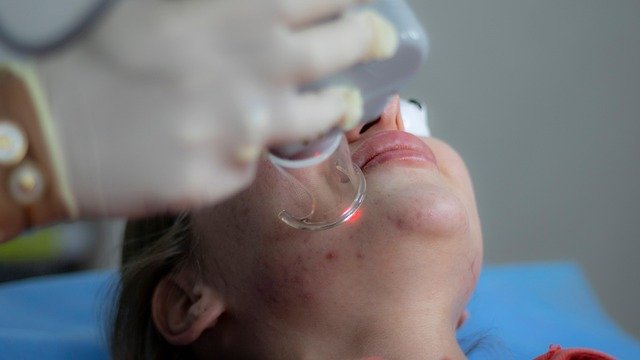
After a few months of over-the-counter products with no improvement at all, seeing a professional is genuinely the next step. There’s no shame in that — I wish I’d gone sooner rather than persisting with drugstore products that were never going to reach something this deep-rooted.
Signs it’s time to book an appointment:
- Cysts that leave dark marks or scars behind
– Breakouts that are painful enough to affect daily life
– Acne paired with other symptoms like irregular periods or excess hair growth
– Still no improvement after 2-3 months of consistent home treatment
A dermatologist can also offer cortisone injections for especially stubborn cysts — watching one shrink overnight after a single shot genuinely feels like magic.
Image Here: Dermatologist examining patient’s skin during consultation — Alt text: “dermatologist consultation for hormonal cystic acne treatment options”
Final Thoughts, Honestly
Living with hormonal cystic acne is genuinely hard. Middle of it right now? You’re not alone, and you haven’t done anything ‘wrong’ to deserve it. For a long time I treated my skin like a personal failure; eventually I started seeing it as something that just needed the right understanding and the right approach.
Skin isn’t broken. This isn’t forever, either. Patience, proper skincare, sometimes a bit of medical help — together, those can genuinely turn it around. Be kind to yourself through it — that mirror moment doesn’t define you.