
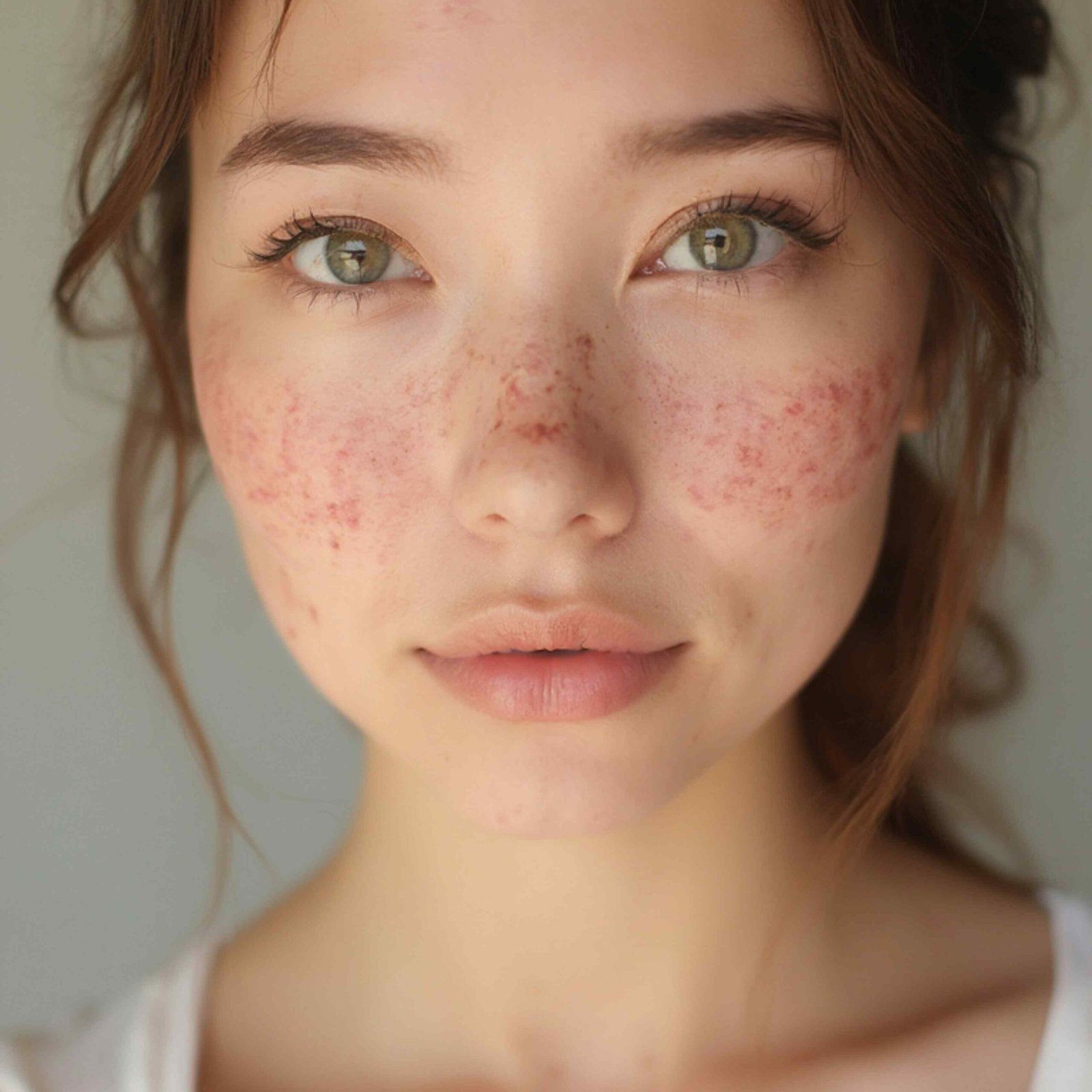
My college roommate swore his skin had it in for him. He ate pretty well, washed his face twice a day without fail, and still — every few weeks, like clockwork — a deep, sore bump would turn up right along his jaw. Meanwhile, another friend of ours barely washed her face at all and never broke out. Honestly? It just felt unfair.
Mirror moment, right? You stand there, staring, thinking — what did I do wrong? First thing, before anything else: probably nothing. I mean, really, probably nothing at all. Cystic acne? It hardly ever traces back to one slip-up, one bad night, one product. No. It’s a pile-up, plain and simple. Some of it you can actually do something about. Some of it? You just can’t, no matter what you do. And both kinds land at the same time, which is why it feels so unfair.
That’s what this guide is for, anyway. Not a lecture, just a walk-through. The real causes, first. Then the triggers people actually run into, day to day. Then the risk factors — why some people are just more prone than others, even when they do everything right. Get the ‘why’ straight in your head, and the ‘what now’ — well, it gets a lot less overwhelming, I promise.
How Cystic Acne Actually Forms
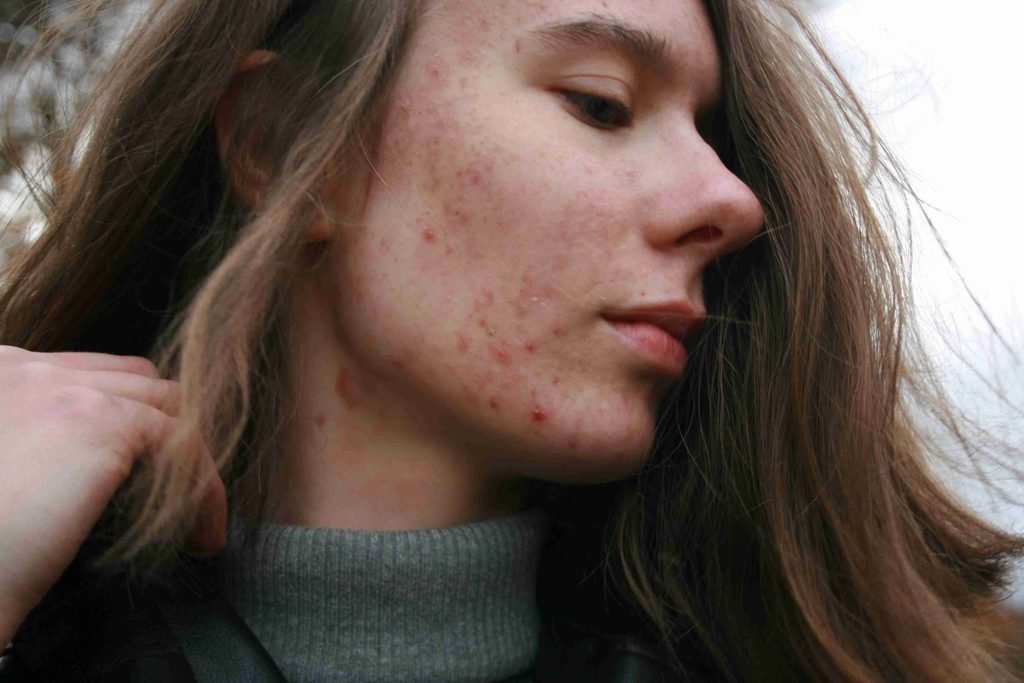
Okay, before triggers — picture it. Under the surface, I mean. Not the mirror stuff, the underneath stuff. Each pore on your face? It’s got a hair follicle in it, and this tiny oil gland tucked in there too — sebaceous gland, if you want the proper name. And the oil it makes, sebum, is not the enemy here, not normally. It’s supposed to be there. It keeps skin soft. Protected. That’s its job.
Then — and this is where it goes wrong — a few things happen at once. Not one, a few. That gland? It starts pumping out way too much oil. Dead skin cells? They don’t shed right, they hang around. Mix those two together and you’ve got a plug. A proper blockage, right in the pore. And bacteria — the stuff already living on your skin, not some invader — it multiplies in that blocked-off space, because where else is it going to go?
Think about it from your immune system’s side — a pore that’s crowded and full of bacteria? It isn’t going to sit quietly. It fights back, and that fight is inflammation. Now, with milder acne that fight stays near the surface, more or less. Cystic acne is different. The follicle wall actually breaks open, deep down, and suddenly that inflammation isn’t contained anymore — it spreads into the tissue around it. And that, right there, is the big, sore, swollen lump you can feel.
So almost everything we’ll talk about below traces back to one of four things: oil, clogged pores, bacteria, or inflammation. Hold onto that — it makes the rest of it click a lot faster.
Hormones: The Biggest Player

If I had to point to one main driver, it’d be hormones. Most dermatologists would probably say the same. Hormones — androgens in particular — basically tell your oil glands how much sebum to make. When androgen levels go up, or your skin just gets more sensitive to them, oil production ramps up with them.
Puberty
This is the classic one, honestly. Teen years — hormone levels just surge, they go through the roof, and oil glands? Overdrive. Full overdrive. So acne kicking off around puberty, that makes sense, doesn’t it? And those cystic breakouts showing up first on forehead, nose, chin — for a lot of teens, that’s exactly where they land first.
Menstrual Cycle
A lot of women — I hear this all the time — notice these deep, painful breakouts, jawline and chin, in that week before their period. It’s not random. Hormone levels are shifting then, at that point in the cycle, so oil glands get more active, skin gets more inflamed. And if your breakouts keep following that monthly pattern, same timing, same spots? Hormones are a pretty likely suspect, honestly, I’d start there.
PCOS and Other Hormonal Conditions
PCOS — polycystic ovary syndrome, to give it its full name — it can push androgen levels up. And with that, you often get this trio, or at least part of it: stubborn acne that won’t budge, irregular periods, and sometimes extra hair growth. Sound familiar? That combination? Then, honestly, a proper chat with a doctor is worth it — sort out what’s underneath, and your skin often gets better too, as a knock-on. Not every time, mind, but often enough to be worth trying.
Pregnancy, Postpartum, and Menopause
Big hormonal shifts — and I mean big, pregnancy, postpartum, menopause, all of that — they can trigger acne, or make existing acne worse. A friend of mine, for example, had totally calm skin until a few months after having her baby, and then deep cysts just appeared out of nowhere. It caught her completely off guard. And honestly, it’s far more common than people talk about.
Genetics and Family History

Here’s the part no one gets to change: your genes carry a lot of weight. Look, study after study on acne keeps landing in the same place — if someone close in your family had severe acne, you’re more likely to get it yourself. It’s not just one gene doing one thing, either. Your genes shape how active those oil glands are, how strongly your skin reacts to hormones, and — this is the big one for some people — how aggressive your inflammatory response gets when something goes wrong.
Think of it this way, because this helped me get it. Take two people. Same hormone levels, same bacteria on their skin, on paper identical. One breaks out, the other doesn’t. Why? Their skin just responds differently. That’s it. No other explanation needed, really.
Parents or siblings had cystic acne? Don’t take that as a sentence, please don’t. It’s not a guarantee. What it does mean is — you might need to be a bit more on it, a bit more proactive. Start treatment earlier, for example. See a dermatologist sooner, instead of waiting until things get severe and then scrambling. And honestly, knowing your family history? That’s genuinely useful information to walk in with, not something to dread.
Excess Oil, Dead Skin, and Bacteria

Right, closer look time. Because behind pretty much every acne lesion, there are three physical ingredients doing the work. Three. Not ten, three.
Too Much Sebum
Oily skin isn’t dirty skin. It’s just skin with more active glands, and that’s mostly down to hormones and genetics — not how often you wash. All that extra oil gives acne-related bacteria a rich food source to work with.
Dead Skin Cells That Don’t Shed
Now, if you’re prone to acne — and you know if you are — the cells lining the pore, they don’t shed evenly. They shed, then they stick together, instead of clearing out cleanly like they should. Mix those sticky cells with oil and you get a plug, a microcomedone, that’s the technical name. Tiny. The starting point of nearly every pimple, basically. You can’t see it, which is the annoying part, but it can just sit there, weeks, before it ever turns into a visible breakout.
Cutibacterium acnes
Cutibacterium acnes — yeah, it used to go by Propionibacterium acnes, they renamed it — this bacterium lives on almost everyone’s skin. Almost everyone. And normally? Harmless. Totally harmless. Inside a blocked, oily pore, though, it multiplies fast and sets off inflammation. And here’s the interesting bit researchers have found: it’s not just how much bacteria is there that matters, it’s how your immune system reacts to certain strains of it.
Image here: A close, well-lit photo of a person pointing to the jawline area where deep breakouts commonly appear — Alt text: jawline cystic acne caused by hormonal changes and clogged pores
Medications That Can Trigger Breakouts
This one — this one catches a lot of people by surprise, genuinely. Certain medicines, they can cause acne, or make it worse, as a side effect. Side effect, not the main thing, but still. It’s not exactly common knowledge, which is exactly why I always bring it up, every time.
Some examples of medication types linked to acne include:
- Corticosteroids, whether taken by mouth or used in some other forms
- Anabolic steroids, and certain products based on testosterone
- Some hormonal contraceptives — especially the progestin-heavy ones, those in particular
- Certain medicines for seizures, or for mood conditions, some of those too
Say you start a new medicine — new prescription, new routine — and then, a few weeks in, your skin starts changing. That’s worth mentioning to your doctor, honestly. What you shouldn’t do, though, is just stop the prescription yourself. Talk to them first. A lot of the time they can tweak the plan, try a different option, or add something for the acne alongside what you’re already taking.
Supplements are worth a quick mention too. Some people notice breakouts after starting protein powders — whey-based ones especially — or certain high-dose vitamin supplements. My roommate, for instance — his flare-ups? They got noticeably worse, like really noticeably, after he started this heavy protein shake routine, every day, big shakes. And then, when he cut back? They eased off. That’s one person’s story, though, not a rule, not for everyone — but it’s worth keeping an eye on, if that sounds like you.
Diet and Cystic Acne: What We Know and Don’t Know

This is probably the most argued-over topic in acne conversations. I’ll be straight with you: the science is still evolving, and anyone selling you one perfect “acne diet” is oversimplifying things.
Foods That May Play a Role
Some studies — and I mean some, not all — they point to diets high in refined carbohydrates, sugary foods, that kind of thing. The kind that spike your blood sugar fast, you know? Those may make acne worse, for certain people. Not everyone, certain people. There’s also some evidence, linking dairy, skim milk in particular, to breakouts in some individuals. How strong that effect is? Seems to vary a lot, person to person, honestly.
What Doesn’t Seem to Matter Much
Greasy food — pizza, fries, all of it — gets blamed constantly, but the evidence that the oil you eat turns into oil on your face is pretty weak. Chocolate’s been debated for years too, with mixed results that are often tangled up with sugar and milk content anyway.
A Practical Approach
Instead of cutting out everything at once and making yourself miserable — because who can stick to that? — try this: change just one thing. One thing, for four to six weeks, and see what happens. A food diary, simple one, can help with that, actually help you spot stuff. And be wary of extreme diets — they’re hard to stick to and they can backfire. Balanced eating, plenty of vegetables, fruit, and whole grains, is good for your whole body anyway.
Stress, Sleep, and Your Skin

Look, stress on its own doesn’t just conjure acne out of nowhere. But make a bad situation worse? Oh, it can do that, no question. Yeah, absolutely, it can. Why? Because when you’re stressed, your body puts out hormones — cortisol, mainly — and cortisol, well, it tends to push oil production up and stir up more inflammation at the same time. On top of that, stressed skin just doesn’t heal as fast. It drags.
I saw this pattern clear as day during exam season and tight work deadlines. Every time the pressure went up, deep bumps would show up along my chin, like clockwork. Once I actually took stress seriously — short walks, earlier bedtimes, fewer all-nighters — the flare-ups got less frequent.
And sleep? Honestly, just as important. Bad sleep throws your hormones off balance and it messes with how your body repairs itself overnight. I’m not saying you need perfect sleep — who gets that? — but getting decent sleep most nights, on a fairly regular schedule, is probably the cheapest skin support there is. No product needed.
And then there’s the frustrating loop: acne itself causes stress and embarrassment, which can worsen acne. If that’s affecting your mood, your confidence, how you feel day to day — that’s a valid reason to get help, a real reason. Not something to just push through quietly, on your own.
Skincare, Makeup, and Everyday Habits

Sometimes — and this is the annoying bit — the trigger is sitting right on your bathroom shelf. Or hiding in your daily routine, somewhere you wouldn’t even think to look.
Pore-Clogging Products
Heavy creams, thick foundations, oily hair products — all of that can clog pores, especially along the hairline, forehead, jaw, those areas. Labels that say ‘non-comedogenic’ or ‘oil-free’? Look for them, sure, they’re helpful. Helpful, yes, but not a perfect guarantee, not by a long shot.
Friction and Pressure
Dermatologists call this acne mechanica. Helmets, face masks, chin straps, tight collars — even just resting your chin on your hand, that counts too — they trap heat, they trap sweat, they rub the skin, over and over. And over time? That can set off deep breakouts, in the same spots, again and again, like a pattern you can’t shake.
Over-Cleansing and Harsh Products
I walked straight into this one myself, by the way. Scrubbing like crazy, reaching for the strongest alcohol-based stuff I could find — I thought harder meant cleaner. It doesn’t. All it did was wreck my skin barrier. Once that barrier’s irritated and inflamed, guess what? You break out more, not less. Exactly the opposite of what I wanted.
Picking and Squeezing
Picking — okay, picking won’t cause cystic acne to begin, it won’t start it. But what it does do? It pushes inflammation deeper, way deeper, and it drags healing out, longer than it needs to be. Which means existing cysts? They hang around longer. And they scar more. So, yeah, picking makes a bad thing worse, even if it didn’t cause it.
A few easy habits can help:
1. Wash pillowcases and anything touching your face regularly.
2. Wipe your phone screen often.
3. Rinse sweat off after workouts rather than letting it sit.
4. Keep hair products away from your face.
5. Patch-test any new product before using it all over.
Myths That Need to Go Away
A lot of well-meaning advice — people mean well, they really do — it just ends up making people feel guilty, for no reason at all. So let’s clear a few things up, properly, one by one.
- “Dirty skin causes acne.” Not true. Acne forms inside the pore, not from surface dirt.
- “Sun exposure clears acne.” A tan might hide redness for a bit, but sun damage can darken marks and irritate skin.
- “Only teenagers get cystic acne.” Adults — especially women — get it too. Adult acne is far more common than most people realise.
- “You’ll just grow out of it.” Some people do. Plenty don’t, and waiting it out can lead to scarring.
- “Popping it will make it go away faster.” With cystic acne, it usually does the opposite.
The mental weight of these myths is real. So many people blame themselves for something that’s largely biological, and that guilt helps nobody.
Who Is Most at Risk?
Some people are simply more likely to develop cystic acne. Common risk factors include:
- Age: Teenagers and young adults are most affected, though adults are not exempt.
- Sex and hormones: Hormonal fluctuations in women raise risk, as do conditions like PCOS. Teenage boys also tend to get severe forms.
- Family history: A parent or sibling with severe acne increases your odds.
- Medication use: Certain drugs and steroids can trigger it.
- Oily skin type: More sebum means more chances for blockages.
- Frequent friction or heavy products: Daily irritation adds up.
- High stress levels: Ongoing stress can intensify flare-ups.
Having a few of these risk factors on your list? That doesn’t lock anything in. It doesn’t mean you’ll definitely get cystic acne. What it does do is give you a clearer picture of your own odds — so you can actually plan around them instead of just worrying.
How to Find Your Own Triggers

General lists are useful, but your skin is individual. Here’s the approach I’d suggest — and it’s what worked for me and a few friends.
1. Keep a simple skin diary for four to six weeks. Note new products, foods, stress levels, sleep, and where breakouts appear.
2. Look for patterns. Do cysts show up before your period? After certain foods? Around the helmet strap?
3. Change one thing at a time. If you change five things at once, you’ll never know what actually helped.
4. Give it time. Skin cycles are slow, so judge results after weeks, not days.
5. Bring your notes to a professional. A dermatologist can use this information to build a smarter plan.
This kind of detective work is surprisingly empowering. It turns “my skin hates me” into “my skin has patterns I can work with.”
Where the Research Is Heading
Acne research is heading in some interesting directions. Scientists are studying the skin microbiome — the community of microbes living on our skin — to figure out why some people react so strongly to the same bacteria that others tolerate without a problem. They’re also looking at how genetics and inflammation interact, which could lead to more personalised treatments down the line.
And there’s another thread, too, that researchers keep tugging on — diet, gut health, hormones, how those three might actually connect to each other. Me? I find that thread fascinating, I won’t lie. But — and this matters — a lot of it is still early days, still up in the air, still being worked out by people who actually study this stuff. So I wouldn’t build your whole routine on it, not yet, not on that alone. My take, for what it’s worth? Stay open, yes, but don’t switch your brain off. Someone turns up promising a miracle, promising to fix everything overnight? Be sceptical about that, properly sceptical, because miracles in skincare are usually just marketing. Meanwhile, stick with what is actually proven to work, and with advice from a professional who knows skin, your skin, not just skin in general.
Final Thoughts
So, no — cystic acne doesn’t have one single cause. And it is definitely not because you were careless, or unclean, or lazy about washing your face. It’s a mix. Hormones, genetics, oil, clogged pores, bacteria, inflammation — and then, on top of all that, a few lifestyle triggers layered in as well.
Will understanding all this fix your skin overnight? No. Of course not. But it does give you somewhere real to start from. The triggers you can actually control, you can start adjusting. And the ones you can’t control — well, that’s what proper medical help is for.
Please — and I mean this — go a bit easier on yourself. If you’ve spent ages blaming yourself for your skin, try to let that go, even just a little. Take a breath. You didn’t fail at skincare, you really didn’t. Skin is just… complicated. And you deserve some support while you’re figuring yours out, not a guilt trip.
Quick note, before you go anywhere: what you’ve just read here is general information, that’s all it is. It’s not personal medical advice, and it can’t replace advice about your own skin, your own situation. For that, please — do talk to a qualified healthcare professional, someone who can actually look at your skin and your history.