
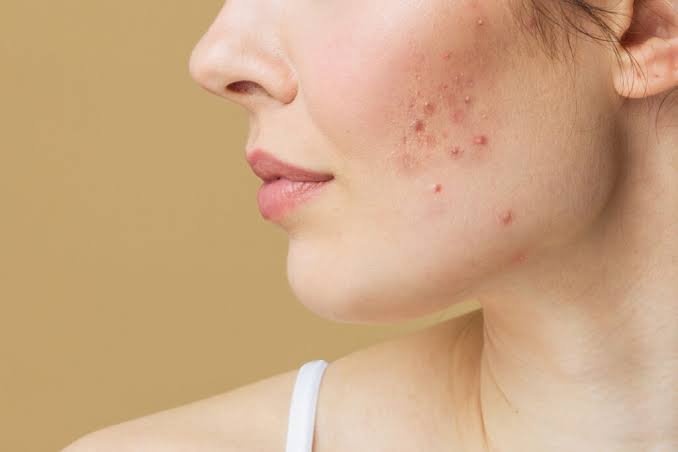
Honestly, I still remember that morning like it was yesterday — finding that first cyst on my chin. Not a pimple. A cyst. Deep, red, throbbing — the kind that hurts even when nobody’s touching it. I was 26 at the time. Way past the age I figured I’d have “grown out of” acne by. Just standing there in front of the mirror wondering what I’d done wrong. Spoiler: nothing. Cystic acne genuinely doesn’t care about your skincare routine, your diet or how old you are.
The next two years were me trying everything I could get my hands on — some of it actually helped some of it was money down the drain and a couple of things made my skin flat out worse. This article is honestly the guide I wish someone had just handed me back then. No fluff just what actually works when you’re dealing with cystic breakouts in real life.
What Cystic Acne Actually Is (And Why It’s So Different)

Cystic acne is basically the deep and painful cousin of your regular whitehead or blackhead. It happens when a pore clogs up with oil, dead skin and bacteria — except instead of staying near the surface, the inflammation pushes down deep into your skin.
That’s exactly why cysts feel like hard, tender lumps under your skin instead of something you can actually “see” the way you’d see a blackhead. A lot of the time they don’t even come to a head at all. They just sit there, angry and swollen, for days or sometimes weeks.
And unlike surface-level acne, cystic breakouts are way more likely to scar if you don’t handle them right. Honestly, that’s the part nobody tells you early enough — how you treat it in those first 48 hours actually matters a lot.
Why You Can’t Just “Pop” a Cyst
I’ll be honest — I tried it. Once. Never again.
Cysts sit so deep under the skin that there’s no actual “head” to extract, no matter how hard you try. Squeezing basically just shoves the inflammation and bacteria further into the surrounding tissue — and that’s exactly how you end up with something bigger, redder and way more likely to leave a scar.
A dermatologist can safely drain a cyst using a sterile needle, and sometimes they’ll follow it up with a cortisone shot. But you, standing in your bathroom at 11pm with a “sanitized” safety pin? Yeah, you can’t replicate that safely. I learned this one the hard way — ended up with a red mark on my cheek that stuck around for almost four months.
Home Treatments That Actually Help
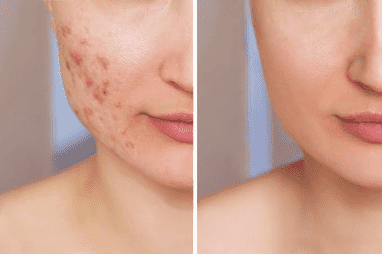
This is probably the part you scrolled straight to so let’s just get into it. Based on my own trial and error and general dermatology advice, here’s what genuinely helped:
- Ice it down. Grab an ice cube, wrap it in a thin cloth and hold it on the cyst for 5–10 minutes a few times a day. Swelling goes down and the throbbing pain? Basically gone within minutes.
- Use a hydrocolloid patch. These were originally made for wounds, but honestly, they work great here too — soaking up fluid and keeping bacteria and your fingers away from the area. This one made the biggest difference for me; it literally stopped me from picking at my face.
- Leave the surrounding skin alone. No scrubbing, no exfoliating acids, no harsh cleansers directly on an active cyst.
And look, none of this is going to make a deep cyst vanish overnight — nothing actually does that — but it’ll genuinely help with the pain, keep things from getting bigger and lower your chances of scarring while your skin does its healing.
Ingredients Worth Using — and Ones to Avoid
After testing this myself across probably a dozen products, here’s what earned a permanent spot in my routine, and what I quietly retired to the back of a drawer.
Worth Using
- Salicylic acid – helps clear pores gradually and reduce future breakouts
- Niacinamide – calms down redness and helps support your skin barrier
- Azelaic acid – gentle, anti-inflammatory, and honestly great if your skin’s on the sensitive side.
- Non-comedogenic moisturizers – yes, even oily and acne-prone skin still needs hydration, believe it or not.
Best Avoided During a Flare-Up
- Heavy physical scrubs – these just irritate skin that’s already inflamed, so steer clear while you’re breaking out.
- High-percentage retinol on active cysts (it can increase redness short term)
- DIY toothpaste or baking soda “remedies” — these disrupt your skin’s pH and in my experience, made things worse, not better
- Alcohol heavy toners that dry out and irritate the surrounding skin
Lifestyle Factors That Quietly Make Things Worse

This part surprised me the most. I focused so hard on products that I ignored the basics for way too long.
Pillowcases matter more than you’d think. I started changing mine every 2–3 days instead of once a week and honestly noticed fewer new breakouts along my jawline within a couple weeks.
Touching your face. We all do it without noticing — resting a chin on a hand, scrolling on the phone pressed to the cheek. Bacteria transfer is real and cystic acne loves any excuse to flare.
Stress and sleep. I’m not going to sit here and claim stress causes acne all by itself, but honestly, in my case, the worst flare-ups always seemed to line up with the busiest, most sleep-deprived weeks of my life. And that’s not just a coincidence for me — a lot of people notice the exact same pattern.
Diet, in moderation. I won’t overstate this — diet affects everyone differently — but cutting back on very high-sugar and high-dairy days seemed to calm things down slightly for me personally.
My Personal Routine That Finally Calmed Things Down
Here’s what my actual day-to-day looked like once I stopped panicking and just got consistent:
Morning:
- A gentle, sulfate free cleanser to start things off
- A niacinamide serum
- A lightweight, oil free moisturizer
- SPF — non-negotiable, since sun exposure makes those post-acne marks stick around way longer
Evening:
- Double cleanse if I had makeup or sunscreen on
- Salicylic acid treatment (alternating nights, not every day)
- A hydrocolloid patch on any active cyst
- Ended with a non-comedogenic moisturizer to keep everything sealed in
Honestly? None of it was glamorous not even close. It wasn’t some 12-step Korean skincare routine either. It was boring, repetitive and consistent — and that consistency is really what worked, way more than any single “miracle” product ever did.
Mistakes I Made So You Don’t Have To
- Switching products every few days. Skin needs weeks, not days, to show real results. I used to abandon products way too early.
- Layering too many actives at once. There was a week I actually used benzoyl peroxide, salicylic acid, and retinol together. My skin basically staged a protest.
- Over-cleansing. Washing your face five times a day doesn’t clear acne faster — it just strips your skin barrier and makes inflammation worse.
- Ignoring the neck and jawline is a common mistake. Cystic acne loves hormonal spots like jaw chin and neck and these areas get missed in a regular routine.
- Picking “just this once.” There’s no such thing as just once. I know. I’ve tried to convince myself otherwise too.
When Home Treatment Isn’t Enough
I want to be honest with you here because a lot of articles skip right past this part: home care can only take you so far with cystic acne.
If your cysts keep coming back they hurt, they’re leaving scars or nothing you’re trying at home is helping after 6–8 weeks, that’s your sign to go see a dermatologist. They have access to things — prescription retinoids, oral medication even in office cortisone shots.
And there’s really no shame in that. I put off seeing a dermatologist for almost a year, purely out of stubbornness, and looking back, I wish I’d gone in month two instead of waiting until month twelve. Honestly, some of the scars I have today are a direct result of waiting that long.
Signs It’s Time to See a Professional
- Cysts sticking around for more than two to three weeks with zero improvement
- Breakouts leaving behind dark marks or scars
- Pain bad enough that it’s messing with your sleep or just your day-to-day comfort
- Getting hit with multiple cysts at once, over and over again
- Two months of consistent home care and you’re still not seeing any real change
Conclusion
If you’re in the middle of dealing with cystic acne right now, I really do get it. This isn’t about your skin — it chips away at your confidence, wears down your patience and some days. It just flat out ruins your mood but if this whole experience taught me anything. It’s that slowing down, being gentle and staying patient wins over rushing into harsh treatments every single time.
Be kind to your skin. It’s not punishing you it’s just going through a rough patch. You’ll get through this breakout and whatever comes after it too, a little wiser and a lot calmer each time around.
FAQs
Can toothpaste actually dry out a cystic pimple overnight?
Nope, and honestly, just steer clear of this old myth altogether. Toothpaste’s got stuff like menthol and baking soda in it, which just irritates your skin instead of actually healing it. It can end up making the inflammation worse and slow down how fast you heal. Just stick with proper spot treatments — benzoyl peroxide or a hydrocolloid patch actually does the trick.
How long does a cystic pimple usually take to heal on its own?
Honestly, if you just leave it alone and don’t treat it at all, a cyst can hang around for two to four weeks — sometimes even longer. But with some gentle, consistent care — icing, spot treating, keeping it protected — most people start seeing real improvement within a week or two, even though it takes a bit longer to fully heal.
Is it normal for cystic acne to keep showing up in the exact same spot?
Yeah, it actually is, unfortunately — especially around the jawline and chin, since those areas are tied to your hormones. If one spot keeps flaring up again and again no matter how good your skincare habits are, it’s probably worth bringing up with a dermatologist, since it might just need something more targeted.
Does your diet actually cause cystic acne?
Not really on its own, but for some people, eating a lot of sugar or dairy can make existing breakouts flare up worse. It honestly depends a lot on the person. Watching your own patterns for a few weeks tells you way more than any generic “avoid this food” rule ever could.
Do natural remedies like tea tree oil actually work on cystic acne?
Honestly? Tea tree oil has some mild antibacterial stuff going on and yeah, it can help a bit if it’s just surface level acne. But when it comes to deep cystic breakouts, it’s just too weak to really do anything. Oh, and if you’re gonna use it, dilute it first — using it raw can irritate sensitive skin. Patch test it before you commit and don’t expect it to replace stuff that’s actually proven to work.