

You look in mirror and your eyes go straight to that dark patch on your cheek. Maybe it’s from an old pimple. Maybe it’s from a summer with no sunscreen. You’re not sure anymore. It doesn’t want to leave.
Dark spots on the face don’t hurt. They don’t itch. But they still bother people more than most skin issues out there. It’s one of the most common concerns people search for help with. Right up there with acne and wrinkles.
Here’s the good part. Dark spots are extremely common. Dermatologists understand them well. And in most cases they can treated. You just need to know what’s causing yours. Then pick the right approach instead of trying random products and hoping something works.
This guide covers everything worth knowing. Why dark spots show up. What actually helps fade them. And how to stop new ones from forming in the first place.
What Are Dark Spots on Face
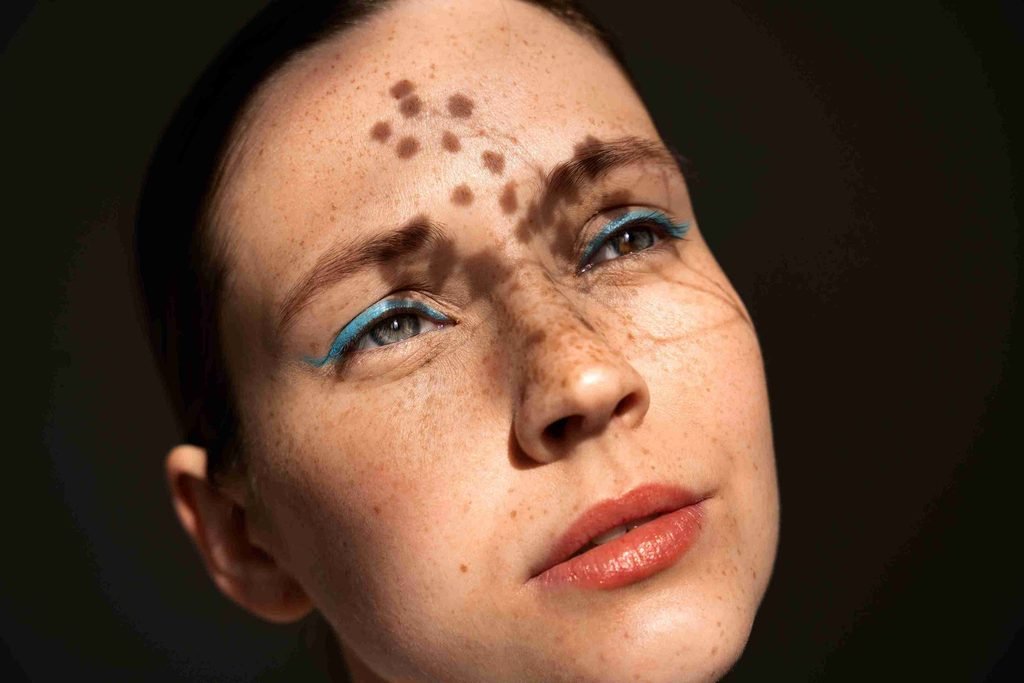
Dark spots happen when certain areas of your skin make melanin than the skin around them. Melanin is pigment that give your skin its color. Your body make more of it when your skin deal with sun exposure or irritation — it is basically your skin’s way of reacting to stress. When that melanin build up in one spot instead of spreading out evenly you end up with patch that’s darker than skin around it.
These spots look different from person to person. Some are small and clearly shaped. Others are bigger and blotchy. Colors usually range from light brown to deep brown. Sometimes with a grey tone depending on your natural skin color. One thing they all share is that they’re flat. No bumps. No texture and no pain. Just color that doesn’t match.
Here’s what trips people up. Not every dark spot come from same cause — which mean they don’t all respond to same treatment. Figuring out what type you have is honestly half the battle.
Dark spots can appear on the face. But they’re most common on cheeks forehead nose and chin since these areas get sun and the most touching throughout the day.Some people get one or two spots. Others deal with several scattered across their face. Either way the approach to treating them stays mostly the same.
What Causes Dark Spots
There’s rarely just one reason behind a dark spot. Usually a few things happen together and push your skin to overproduce pigment in one area.
- Sun exposure is cause by far. UV rays trigger melanin production as defense response. That’s why sun spots show up on areas that get hit with sunlight most. Cheeks. Nose. Forehead. Hands. The tan fades in couple weeks but spot it leaves behind can stay for months or years if left alone. Years of repeated sun exposure without protection is one of main reasons dark spots become common with age.
- Then there’s post-inflammatory hyperpigmentation. This is just a long way of saying your skin got irritated and left a mark behind. A popped pimple. A cut. A bug bite. A bad reaction to a product. All of these can leave behind a flat discolored mark once actual irritation calm down. This type of dark spot is extremely common in people who deal with acne regularly since every healed pimple carries a small risk of leaving a mark behind.
- Hormones play a role too through something called melasma. This shows up as larger patches on the cheeks forehead and upper lip. It’s very common during pregnancy and while on birth control. It also gets darker with sun exposure which makes it harder to manage than a regular sun spot. Melasma is a stubborn type of dark spot. It responds slowly even to strong treatments.
- Aging is another factor. As skin gets older melanin production becomes less predictable. This is what causes age spots. Sometimes called liver spots even they have nothing to do with the liver. These usually come from years of sun exposure catching up later in life. They tend to appear on the face hands and arms since these areas get the most lifetime sun exposure.
- Some medications can trigger pigmentation changes too. Certain antibiotics anti seizure medications and some chemotherapy drugs list this as side effect. Hormonal conditions push things in similar direction. If you notice new dark spots after starting new medication it’s worth mentioning to doctor.
- Harsh skincare is one people forget about. Over-exfoliating using product strong for skin or reacting badly to something new can cause irritation. And irritation often leads to the same dark mark mentioned earlier. This is why gentle consistent skincare tends to work better long term than aggressive routines that change every few weeks.
Different Types of Dark Spots
Not every dark spot behave same way.Knowing which one you’re dealing with changes how you treat it.
Sun spots are small shaped and appear where skin get regular sunlight. They usually stay same size unless exposed to sun. Post acne marks show up exactly where pimple used to be and usually fade on own over time though the process can take several months without help. Melasma show up symmetrical patches often on both sides of face and get worse with sun and hormones. It’s common in women and often shows up during pregnancy. Age spots are usually bigger appear later in life and have softer edges compared to sun spots. They tend to grow slowly over years rather than appearing suddenly.
If you’re not sure what type you have or spot suddenly changes shape size or color it’s worth having dermatologist take look. This step matters more than people think since some skin change need medical attention rather than skincare.
Treatments That Actually Work

Many dark spots fade by themselves with time and patience. But if yours are stubborn there are real treatments that speed things up.
- Prescription creams are usually where dermatologists start. Hydroquinone is one of effective ingredients for fading dark spots. It slows down melanin production right where it’s applied. Tretinoin speeds up skin cell turnover which pushes pigmented cells to the surface faster.
- Sometimes these two get combined with a mild steroid into what’s called a triple combination cream. Dermatologists often use this for tougher cases like melasma. Results from prescription creams usually take a few months to fully show but the improvement tends to be noticeable and long lasting.
- Chemical peels are another option. They use acid like glycolic salicylic acid to remove layer of skin. This reveals fresher more even skin underneath. You usually need a few sessions rather than just one. Results build up gradually with each treatment. Peels also help with overall skin texture which is a nice bonus beyond just fading dark spots.
- Laser and light treatment target melanin directly. They work well on spots that haven’t responded to anything. One important note. Lasers need to match your skin tone properly. The wrong type can actually make pigmentation worse on darker skin. This is one area where you really want an experienced dermatologist handling it rather than trying a cheaper option without proper guidance.
- Microneedling is worth mentioning too. It create small controlled injuries in skin that boost collagen production. It’s often paired with topical treatments for stronger result. Many people notice smoother skin texture as added benefit.
- Vitamin C deserves its own mention though you can buy it without prescription. It slows melanin production and protect skin from UV damage. That make it one of the few ingredients that treat existing spots and help prevent new ones at same time. A good vitamin C serum used daily can make real difference over few months.
Home Remedies Worth Trying
- You don’t always need prescription. A few accessible ingredients can genuinely help fade dark spots with regular use. Know that natural remedies work slower than medical treatments.
- Niacinamide is form of vitamin B3. Good research backs it for reducing how much pigment transfer to skin cells. It helps out skin tone gently without the irritation stronger ingredients sometimes cause. It works well alongside other treatments since it causes any reaction.
- Aloe vera contains compound called aloin. Some studies suggest it has mild lightening effect on dark spots. It also calms skin that’s still healing from irritation which makes it a good option for sensitive skin.
- Licorice root extract is another ingredient worth checking labels for. It contains compounds that help slow down excess melanin. Useful for sun related spots and often found in brightening serums and creams.
- Green tea extract brings antioxidant benefits that help with sun related pigmentation when applied to skin. It work best as part of bigger routine rather than as standalone fix. Some people drink green tea regularly for its general skin benefit.
- Turmeric is remedy people often turn to. It has anti inflammatory properties that help calm skin and support tone over time. It work best mixed into gentle mask rather than applied directly at full strength.
- And then there’s sunscreen. Not exactly remedy but it does work than anything on this list. Skip daily SPF and any active dark spot keep getting darker with sun exposure. That undoes whatever progress your efforts are making. This one habit alone can make the biggest difference in how fast your skin improves.
- Set your expectations properly here. Natural remedies help but take longer. They work best on mild discoloration rather than long standing spots. Combining few of these with sunscreen tends to give best results.
Habits That Stop New Spots From Forming
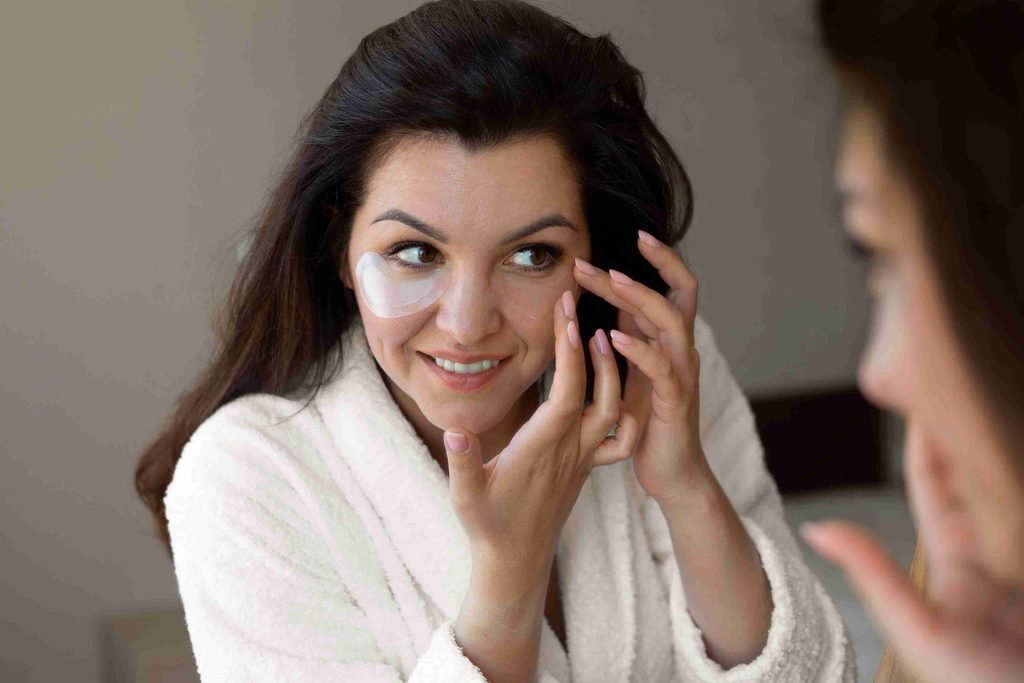
- Fading spots you have is only half the job. Stopping new ones from showing save a lot frustration later.
- Wear sunscreen daily. Even indoor near window. Even on cloudy days. UV exposure trigger behind dark spots. A broad spectrum SPF of at least 30 make difference over time. Reapplying few hours during long outdoor days adds protection.
- Leave pimples and scabs alone. Picking disrupts your skin’s natural healing process. It increases the chance of leaving mark once it heals. This is simple habit to change but also hardest since it’s tempting in moment.
- Add brightening ingredient like vitamin C into routine. Not once in while. This help melanin production in check before spots deepen. Give any new product few week before judging whether it is working.
- Be gentle with your skin whenever it’s irritated. Whether from a new product a breakout or something environmental. This cuts down on the inflammation that lead to dark mark in first place. Switching to simpler routine during flare ups often help skin calm down faster.
- Wear hat or find shade during peak sun hours. Late morning through mid afternoon. This adds layer of protection beyond sunscreen. Very useful if you are prone to sun spot or melasma. Sunglasses can protect the skin around eyes.
Mistakes That Make Dark Spots Worse
A few habits done with good intentions end up making things worse instead of better.
- Skipping sunscreen on cloudy or indoor day since UV rays pass through clouds and windows than people assume
- Over exfoliating to speed up fading which irritates skin and trigger new pigmentation
- Picking at healing acne or scabs which almost always leaves a longer-lasting mark than leaving it alone
- Expecting overnight results when most treatments need weeks or months of steady use before you see change
- Layering too many strong actives at once especially acids and retinoids together which irritates skin further
- Reaching for unregulated skin-lightening products since some contain unsafe ingredients like mercury that cause real harm
- Switching products too often instead of giving one routine enough time to actually work
When to See a Dermatologist

Most dark spots are harmless and cosmetic concern. But there are times worth getting a professional opinion. If a spot suddenly changes size shape or color get it checked. It can sometimes point to something beyond normal pigmentation. It’s worth seeing dermatologist if your spots haven’t improved after several months of consistent care. Or if melasma keeps getting worse despite good sun protection. Or if you’re considering stronger options like prescription creams peels or laser treatment. These work best and safest under a professional who understands your specific skin type and tone.
A dermatologist can also tell you exactly which type of dark spot you have. That make real difference in choosing treatment that actually work instead of guessing based on generic advice online. They can create plan that fit your skin type instead of one size fits all approach.
Final Thoughts
Dark spots on face are frustrating mainly because of how long stick around. But they’re also one of the more manageable skin concerns once you understand what’s actually causing them. Whether it’s old acne marks sun damage hormones or just age catching up there’s an effective option out there for almost every situation. From daily sunscreen and brightening ingredients all the way to professional treatments for tougher cases.
If there’s one thing to take away from all this it’s that fading dark spots is about consistency not intensity. Piling on strong products hoping for faster results usually backfires. A steady simple routine paired with sunscreen you actually remember to wear is what gets you clearer more even skin over time. It just take little patience. And patience here does pay off.