There’s a particular kind of frustration that come with cystic acne. You feel it before you see it — a hard, tender lump forming under skin, usually day or two before it fully develop. Unlike typical pimple that surfaces, heads up and clears within few days, cystic acne take different path. It forms deep within skin, refuses to come to a head and can stick around for weeks, often leaving a scar or dark mark as a parting gift.
If this sound familiar you are far from alone. Cystic acne is one of the most common reasons people seek out dermatologist and it affect teenagers and adults alike sometimes appearing for first time well into late twenties or thirties. The encouraging part is that it’s also one of the most researched and well-understood skin conditions out there. With the right combination of knowledge, treatment and patience, it’s very manageable.
This guide covers everything worth knowing about cystic acne — what triggers it, how to treat it effectively, and how to reduce the odds of it coming back.
Understanding Cystic Acne
Cystic acne is considered the most severe form of acne and for good reason. It develop when hair follicle become block with oil, dead skin cells and bacteria. Instead of blockage staying near surface, the inflammation pushe deeper into skin’s lower layer. The result is large, soft and pus-filled bump that is painful to touch and slow to heal.
A few characteristics set cystic acne apart from more common breakouts:
- It sits deep beneath the skin rather than forming a visible whitehead
- It’s tender, swollen and sometimes warm around the affected area
- It can persist for several weeks instead of clearing in a few days
- It carries a much higher risk of scarring or leaving behind dark marks
- It often appears in clusters rather than as an isolated spot
While many people associate cystic acne with teenage years, it’s just as common — arguably more disruptive — in adulthood. Hormonal shift related to menstrual cycles, pregnancy or conditions like polycystic ovary syndrome (PCOS). That significant number of adult women deal with cystic breakouts well past adolescence.
What Causes Cystic Acne
There is rarely one reason cystic acne shows up. It usually happens when handful of factor line up at same time. Which is exactly why no single one-size-fits-all fix work for everyone.
Overactive oil production. Sebaceous glands are responsible for keep skin lubricated. When they produce more oil than necessary that excess sebum mix with dead skin cells and clogs the pore. This is typically where the process begin.
Hormonal changes. Hormones are arguably single biggest driver of cystic acne. Androgens stimulate oil gland to increase sebum production. Which explain why breakouts often cluster around menstrual cycles, pregnancy or hormonal imbalances such as PCOS. If your acne seem to follow predictable monthly pattern, hormones are very likely playing central role.
Bacterial overgrowth. A bacteria called Cutibacterium acne live naturally on everyone’s skin without causing issue under normal circumstances. Once pore becomes blocked though bacteria multiplies rapidly in trapped, oxygen-poor environment, triggering strong immune response. That immune reaction is largely responsible for redness, swelling and pain with cysts.
Genetic predisposition. If parent or sibling has struggle with cystic acne, you may be likely to experience it too. Genetics influence oil gland size, how quickly skin cells turn over. How body respond to inflammation, all of which affect your likelihood of developing cysts.
Diet. Diet alone won’t cause cystic acne but certain food appear to make it worse in people who are already prone to breakouts. High-glycemic foods — white bread, sugary snacks, sodas — and dairy product have both been associated with increased acne severity in several studies.
Stress. While stress isn’t a root cause it’s well documented aggravator. Elevated cortisol level stimulate oil gland and increase inflammation which is why breakout often intensify during particularly demanding or stressful periods.
Comedogenic skincare and hair products. Heavy, pore-clogging moisturizers, sunscreens and hair product can contribute to blocked pores, particularly along the hairline, forehead and jawline — common areas for cystic breakouts.
Frequent touching or picking. Resting your face on hand holding your phone against your cheek or picking at existing blemish all transfer bacteria and can escalate mild breakout into more painful cyst.
Recognizing the Signs and Symptoms
Not every stubborn or painful pimple qualifies as cystic acne so it help to know what specifically points to it:
- Large, red and swollen bump that feel deep than they appear
- Noticeable tenderness or pain even with light pressure
- No visible head, regardless of how long blemish is left
- Lesions that persist for two to four week rather than few days
- Multiple cysts appearing in clusters within same area
- Warmth around the affected skin
- Dark marks discoloration or scarring once the cyst finally heal
If several of these symptoms sound familiar particularly if breakouts keep recurring in same spots you are very likely dealing with cystic acne rather than occasional blemish.
Effective Medical Treatments
Because cystic acne forms so deep under the skin, most drugstore products just don’t have the strength to reach it. That doesn’t mean it can’t be treated — it just usually means you’ll get better results with a dermatologist involved, and in a lot of cases, something prescription-strength.
Topical Treatments
Retinoids like tretinoin or adapalene are good starting point — they help keep pore from clogging in first place and speed up how quickly your skin sheds and renews itself which cuts down on new cysts forming. Topical antibiotics work by targeting the bacteria driving the inflammation, and they are often used alongside benzoyl peroxide so the bacteria doesn’t build up resistance over time. Azelaic acid is worth mentioning too — it’s gentler help calm down inflammation and does a decent job fading the dark marks cysts tend to leave behind once they heal.
Oral Medications
For cases that are more stubborn or widespread, a dermatologist might put you on oral antibiotics like doxycycline for a while, just to get the inflammation under control. If it’s pretty clear hormones are driving the breakouts, birth control pills or a medication called spironolactone often make a real difference for a lot of women. And for the toughest, most treatment-resistant cases, there’s isotretinoin — most people still call it by its old name, Accutane. It’s genuinely the most effective option out there; it shrinks your oil glands significantly and can keep breakouts away long-term, but it does need close monitoring from a doctor because of the side effects that come with it.
In-Office Procedures
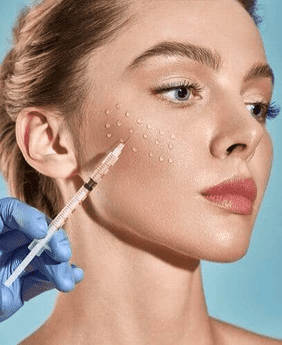
If you need a cyst gone fast — say, before a big event — a dermatologist can inject cortisone straight into it, and you’ll usually see it shrink and stop hurting within a day or two. For bigger, more painful cysts, professional drainage is another route but this is strictly a “let a trained provider handle it” situation. Trying to drain cyst yourself at home is fast track to infection and scarring so it is really not worth risk. Once breakout are under control chemical peel and certain laser treatments help clean up leftover scars and uneven texture.
Why Self-Treatment Often Isn’t Enough
And here’s the thing — when you’ve got a stubborn cyst, it’s tempting to just throw every product you own at it: benzoyl peroxide, salicylic acid, retinol, all at once. But that combo usually does more harm than good. It wrecks your skin barrier and makes the inflammation worse instead of fixing it. Cystic acne tends to respond much better to a slower, more targeted approach guided by a professional than to a “try everything and hope something works” strategy.
Managing an Active Breakout
Here it is, back in points but still natural-sounding rather than clinical:
- Cold compress it first. Holding one against the area for 10 to 15 minutes help bring the swelling down and takes some of pain off.
- Leave it alone, as tempting as it is. Since the cyst sits so deep under skin, picking, popping or squeezing it usually pushes bacteria further in rather than out — which tends to make scarring more likely, not less.
- Keep your cleanser gentle. A fragrance-free, non-abrasive cleanser is really the way to go here — scrubbing at inflamed skin just makes it angrier, never better.
- A thin layer of benzoyl peroxide can help. It keep bacteria in check without drying out skin around cyst too much.
- Don’t skip sunscreen. Sun exposure can darken whatever mark is left behind once cyst heals and it slow down how quickly that mark fades.
Preventing Future Breakouts
You probably can’t get rid of cystic acne completely, especially if hormones or genetics are part of the picture — but few consistent habits can genuinely cut down on how often it shows up and how bad it gets.
Keeping your skincare routine simple and steady matters more than people usually think. Washing your face twice a day moisturizing even when skin feel oily and wearing non-comedogenic sunscreen daily — that is really foundation. More product is not the answer here; sticking with basics consistently tend to beat switching thing up every few weeks.
If you are adding in something like retinoid or salicylic acid don’t jump straight to using it every day. Start with two or three times week and build up slowly from there. It give your skin time to adjust and save you from unnecessary irritation along the way.
The small stuff adds up too. Swapping your pillowcase and towels every few days keeping your hands off your face, and wiping down your phone screen or cleaning your makeup brushes regularly — none of it seems like much on its own but together it keeps bacteria and oil from building up against your skin.
Diet is worth keeping an eye on as well though it really does vary from person to person. Some people notice clear difference after cutting back on dairy or sugary food while others don’t see much change at all. Paying attention to your own patterns is best way to figure out what’s actually affecting you.
Stress plays a bigger role than most people realize, too. Higher cortisol level are tied to more oil production and inflammation so anything that help you manage stress — better sleep, regular exercise, whatever work for you — can end up showing on your skin in good way.
And one last thing that is easy to overlook: don’t stop treatment the moment your skin clears up. A lot of cystic acne is driven by hormones which means breakouts tend to come back if treatment is dropped suddenly. Working with dermatologist to ease off gradually rather than quitting cold turkey, usually lead to results that actually last.
Common Mistakes That Make Cystic Acne Worse
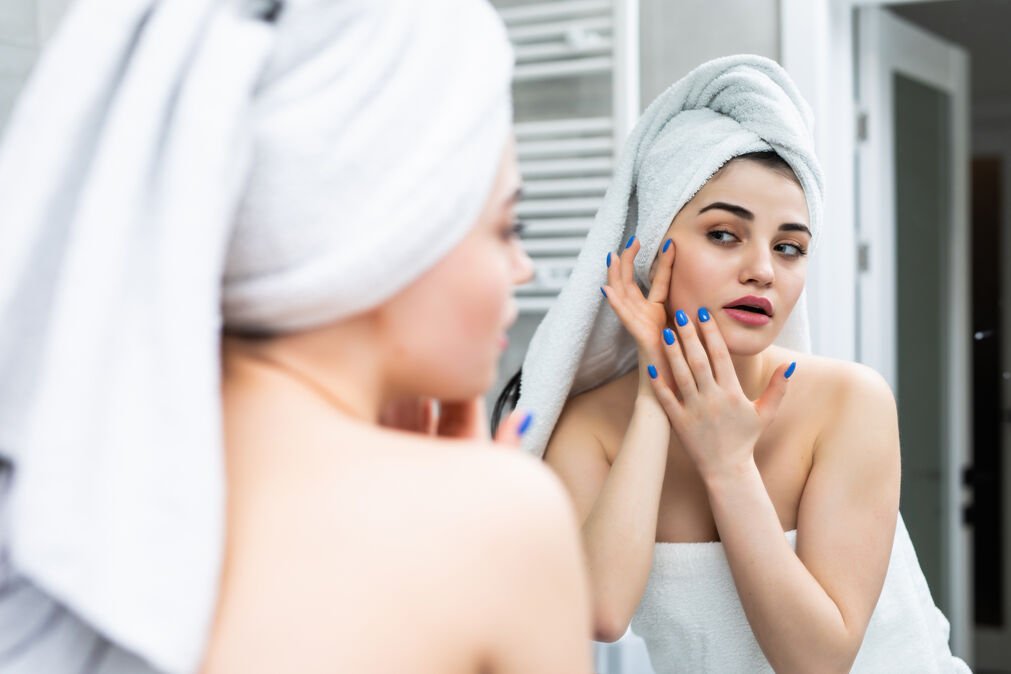
Even when you are genuinely trying to do right by skin some habits quietly work against you. Here’s what to watch out for:
Washing hard. It feel productive but it actually strips skin barrier and end up making inflammation worse, not better.
Popping or squeezing cysts. It’s almost never worth it — this nearly always lead to scarring instead of faster healing.
Piling on multiple active ingredients at once. Give one treatment the time it need to actually work instead of layering three or four things together and hoping for quicker fix.
Skipping moisturizer because you worried it will make thing oilier. Ironically dehydrated skin often overcompensate by producing oil.
Jumping from product to product soon. Most treatment need six to eight weeks of consistent use before you’ll actually see difference so switching too early reset the clock.
Skipping sunscreen. This lets dark marks and scarring stick around far longer than they need to.
When to See a Dermatologist
Occasional, mild acne is usually something you can handle with over-the-counter products, but cystic acne is a different story — it really does call for professional care most of the time. It’s worth booking a dermatologist visit if:
- Your breakouts are painful and just won’t let up, even after six to eight weeks of sticking with a consistent at-home routine
- You’re left with scarring or dark marks once the cysts finally heal
- Acne is starting to weigh on your confidence or how you feel day to day
- You have a hunch that something hormonal — like PCOS — might be behind it
- The same spots keep breaking out again and again, no matter how consistent your skincare routine is
A dermatologist can help figure out if what you’re dealing with is actually cystic acne or something that looks similar like folliculitis or hidradenitis suppurativa. That way, you’re not guessing — you get accurate diagnosis and treatment plan that’s actually built for what’s going on with your skin.
Final Thoughts
Cystic acne can wear you down, especially because none of the quick fixes. That work for a normal pimple actually do much here. It takes longer to show up, longer to go away and honestly, more often than not. A new cleanser just isn’t going to cut it. But here’s the thing worth holding onto. It’s also one of the most studied and understood skin conditions out there. And dermatologists have real, effective ways to deal with it, no matter how severe it gets.
If you’re in the middle of a flare-up right now, try not to panic-overhaul your entire routine overnight. Pick at every blemish out of frustration. Sticking with a steady, well-guided plan and getting professional help when you need it. Almost always beats throwing random things at it and hoping something sticks. Clear, healthy skin is absolutely within reach. It tends to reward the people who stay patient and consistent rather than ones chasing a quick fix.