
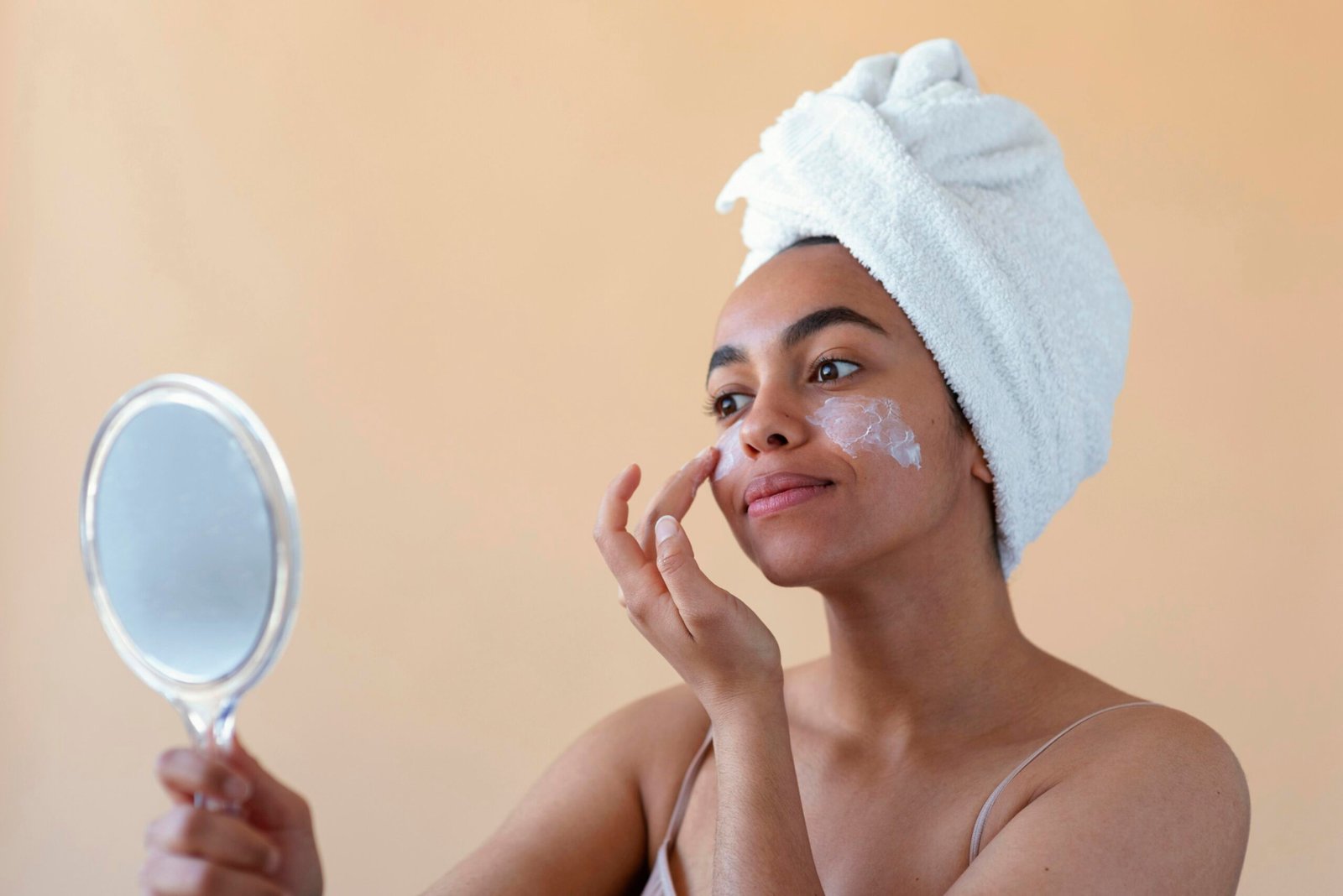
I still remember standing in the drugstore aisle, holding a bottle of “usual tint” sunscreen against my wrist, watching it flip my skin an ashy gray shade that looked nothing like regular whatever. That became in all likelihood my tenth try at finding a tinted SPF that surely worked with my deep brown skin tone rather than against it. If you’ve been there too — squinting at bottles, reading evaluations from humans whose skin does not healthy your and ending up with products that leave a ghostly solid — this one’s for you.
Finding the proper tinted sunscreen if you have dark skin should not be a technological know-how experiment, but for a long term, it sort of becomes. The right information? The marketplace has really stepped forward, and once you realize what to search for, the complete method becomes a lot easier.
Why Tinted Sunscreen Matter for Dark Skin
There’s a cussed myth that darkish skin does not want sunscreen. I heard it developing up, my mother heard it growing up, and honestly it is just no longer proper. Melanin does provide some herbal safety, however it is nowhere near enough to dam UV harm, hyperpigmentation or premature ageing.
Tinted sunscreen specifically matters because it does double duty. You get sun protection plus a bit of coverage that evens out tone, without layering on a separate foundation. For those of us dealing with dark spots or melasma, that added iron oxide in tinted formulas also helps block visible light, which regular clear sunscreen doesn’t do.
Basically, it’s not a luxury step — it’s a practical one that saves time and protects skin that’s genuinely prone to pigmentation issues.
The Ashy Cast Problem — And Why It Happens
Let’s communicate approximately the elephant inside the room. Sunscreens use mineral filter like zinc oxide or titanium dioxide and people’s material are white or pale. When they are not formulated properly they sit down on the pinnacle of darker skin and create that grayish-white forge every person dreads.
This happens because a lot of brands still formulate with lighter skin tones as the “default” and add tint almost as an afterthought. The pigments used often aren’t warm or deep enough to counteract the white cast from the mineral filters.
Based on my experience testing probably twenty-plus different sunscreens over the years, the ones that avoided this issue almost always had:
- A wider range of iron oxide pigments (not just one universal tint)
- Micronized or “invisible” zinc formulations
- A slight bias toward warm or red undertones in the formula
Key Ingredient to Look For and Avoid
This ingredient took me embarrassingly prolonged time to parent out. Not all sunscreen filters behave the same manner on deeper skin, so element labels definitely matter right here.
Look for:
- Iron oxides (helps with tint blending and blue light protection)
- Micronized zinc oxide (less likely to leave a cast than standard zinc)
- Chemical filters like avobenzone or octocrylene, which tend to go on clearer
Be cautious with:
- Untinted, high-percentage zinc oxide formulas (these are the biggest cast culprits)
- Sunscreens labeled “one shade fits all” — this is almost always a red flag.
- Products with alcohol high on the ingredient listing if you have dry or mature skin, considering it could be drying over the years
Honestly, as soon as I started out analyzing ingredient lists in preference to simply advertising and marketing claims, my shade-matching success fee stepped forward dramatically.
How to Identify Your Actual Undertone
You can’t shade-match well if you don’t actually know your undertone, and a lot of people guess wrong here. Dark skin is not one flat class — there’s deep with heat undertones, deep with cool undertones and deep with neutral or olive undertones.
A short way to check: observe the veins on your internal wrist in natural light. Greenish veins mean warm undertones, bluish veins suggest cool and if you can’t quite tell you’re probably neutral.
Another trick I use — how does gold jewelry look against your skin compared to silver? If gold makes skin look brighter, you likely lean warm. If silver looks more flattering, you’re probably cooler-toned.
Testing Shades the Right Way
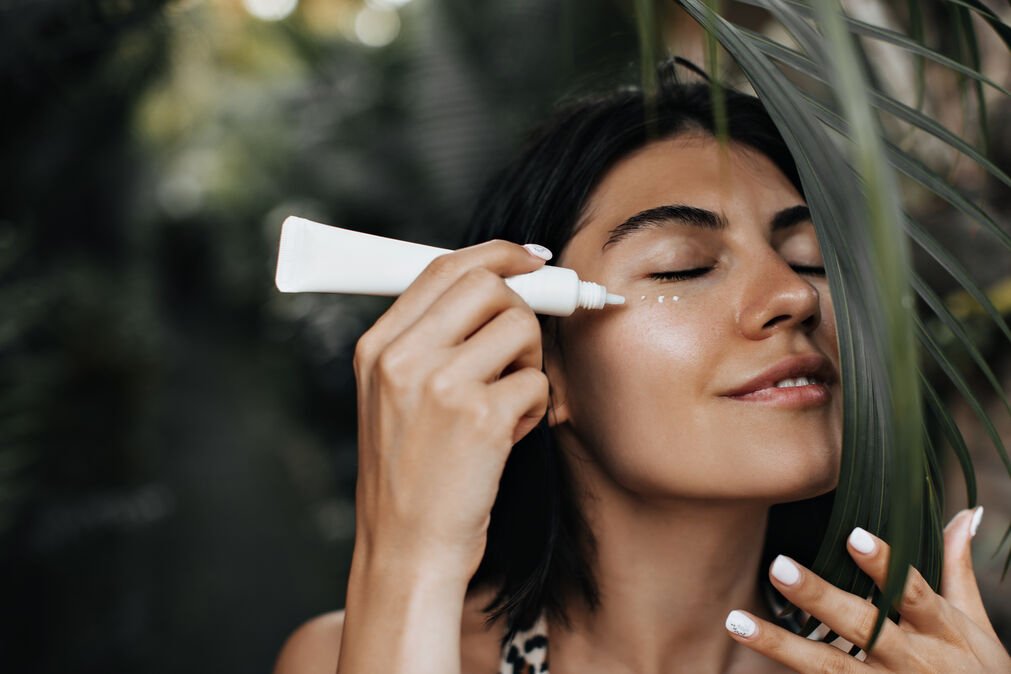
Please don’t take a look at sunscreen sun shades at the return of your hand below fluorescent store lights. I made this mistake more times than I’d like to confess and it never gave me a correct result.
Here’s what absolutely works:
- Test alongside your jawline, not your hand or wrist
- Check the colour in natural light hours, not indoor lights
- Wait the full 10-15 minutes for oxidation, because many tinted formulation shift barely darker or warmer as they set
- Take a photo in natural light for comparison — cameras sometimes catch a cast your eyes miss
- Blend it into your neck too, so there’s no obvious face-neck mismatch
That oxidation step trips up so many people. A shade that looks fresh out of tube can look completely different twenty minutes later so patience matters here.
Types of Tinted Sunscreen for Deep Skin Tones
Rather than naming unique brands (formulas change continuously), it is beneficial to recognise which categories tend to perform pleasant for deeper skin tones.
Hybrid mineral-chemical formulas have a tendency to mix better due to the fact they combine the protection profile of mineral filters with the smoother end of chemical ones.
Multi-coloration tinted sunscreens, wherein a brand gives 3 or more tint alternatives, are generally a safer guess than unmarried-color “widespread” products.
Serum or fluid textures generally mix extra seamlessly into deeper skin than thick, creamy formulas that could sit down on top and appear chalky.
After testing this myself throughout dry, combination, and oily skin days, fluid textures constantly gave the maximum natural-looking end for me in my opinion.
Common Mistake People Make
A pattern shows up again and again when people struggle with tinted SPF so it is worth calling them out directly.
- Buying based on influencer recommendations without checking if their skin tone is similar to yours
- Applying too little product, which is one of the most common reasons SPF underperforms
- Skipping reapplication because “it has tint, so it counts as makeup too”
- Assuming darker automatically means less cast risk (it doesn’t — undertone mismatch still shows)
- Not checking the finish (matte vs. dewy) against your skin type
That reapplication one genuinely worries me the most, because SPF effectiveness drops significantly after a few hours regardless of tint.
My Personal Routine and What Worked
For what it’s worth, here’s roughly how I approach it now. I apply a lightweight, oil free moisturizer first. Let it sit then apply my tinted sunscreen in thin layers rather than one thick coat.
Building it up in layers helped me avoid both the ashy cast and the heavy mask like look that can happen when you apply much at once trying to get coverage.
I also keep a small mist-based SPF in my bag for touch-ups. Since reapplying a tinted cream formula over makeup midday is honestly a hassle most of us don’t have time for.
Future of Inclusive Sun Care
Things are genuinely getting better. More brands are releasing expanded shade ranges specifically for deep skin tones instead of the old “light, medium, dark” three-shade system.
There has also been more visible investment in formulas that address hyperpigmentation and melasma directly since these are common concerns for people with deeper melanin levels.
I’d love to see more brands testing exclusively on deep skin tones rather than treating it as an add-on shade at the end of a lighter skin focused line.
Final Thoughts
Finding the proper tinted sunscreen for dark skin takes trial and mistakes. However, it’s really workable as soon as I check. Undertone, aspect listing and right trying out conditions make a bigger difference than brand hype ever will.
If you’re just starting this search, be patient with yourself. It took me a good while and more than few wasted bottles to land on what works. You deserve sun protection that look good on your skin not one that fights against it.
Common Questions
Can tinted sunscreen replace my everyday foundation?
For many people with darkish skin, yes, mainly on lower-maintenance days. Tinted sunscreen typically gives light to medium insurance, enough to even out tone and decrease shine, however it might not fully conceal deeper discoloration or blemishes the manner a heavier foundation could.
Why does my tinted sunscreen appear first-class on my hand however wrong on my face?
Skin tone often varies between your hand, wrist, and face due to solar publicity and thickness of skin. It’s quality to always check alongside your jawline in natural light rather than counting on hand swatches, which could truly lie to the complete matching manner.
How frequently do I have to reapply tinted sunscreen in the course of the day?
Roughly each two hours if you’re exterior, and at least once round midday in case you’re in general indoors close to windows. Many humans pass this step with tinted formulas since it looks like makeup, however SPF protection does wear down through the years irrespective of tint.
Does tinted sunscreen cause breakouts on darker, oilier skin?
It can, relying on the system and your skin type. Look for oil-free or non-comedogenic labels, and take into account a mattifying, fluid-based system if you’re at risk of congestion, due to the fact thicker creamy textures have a tendency to be much more likely to clog pores.
Is a better SPF continually better for dark skin?
Not necessarily higher, however SPF 30 or better is generally recommended regardless of skin tone. What topics more for dark skin mainly is extensive-spectrum safety and iron oxide content, for the reason that these deal with both UV harm and seen-mild-induced pigmentation troubles.