
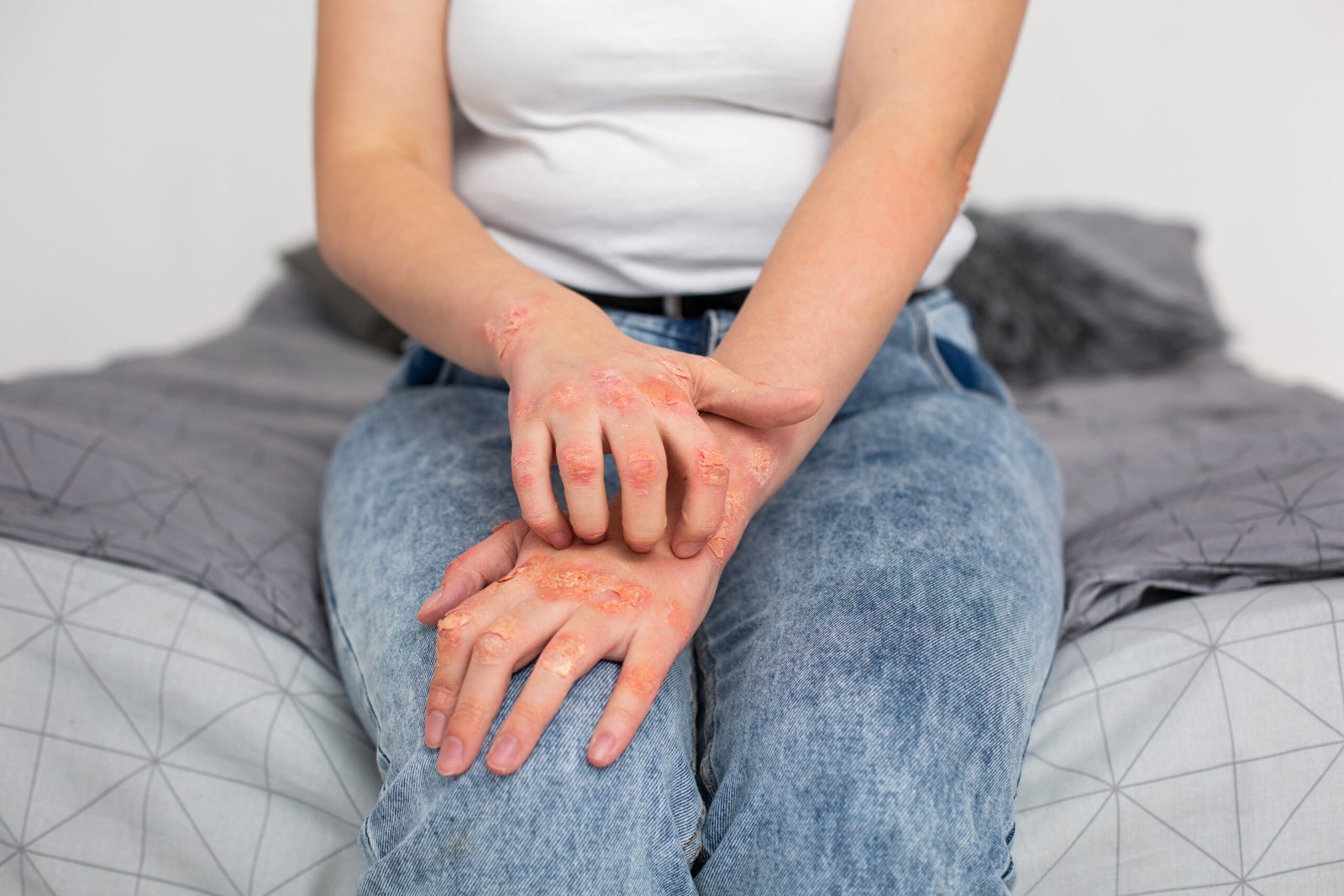
Maybe you notice small bump on wrist. They show up out of nowhere. Or maybe your dentist pointed out white lacy patches inside your cheek during a checkup. Either way you probably went home and searched for answers and end up more confuse than before. That’s usually how people first learn about lichen planus.
It’s not name most people know before their own diagnosis. But it is a common skin condition. It affects the skin, mouth, nails and sometimes other areas and it is not contagious. It is not cause by poor hygiene. And in most cases it’s manageable once you understand what’s going on.
This guide covers everything worth knowing about lichen planus. What causes it. How to spot it. What treatments help. And how to keep control long term.
What Is Lichen Planus
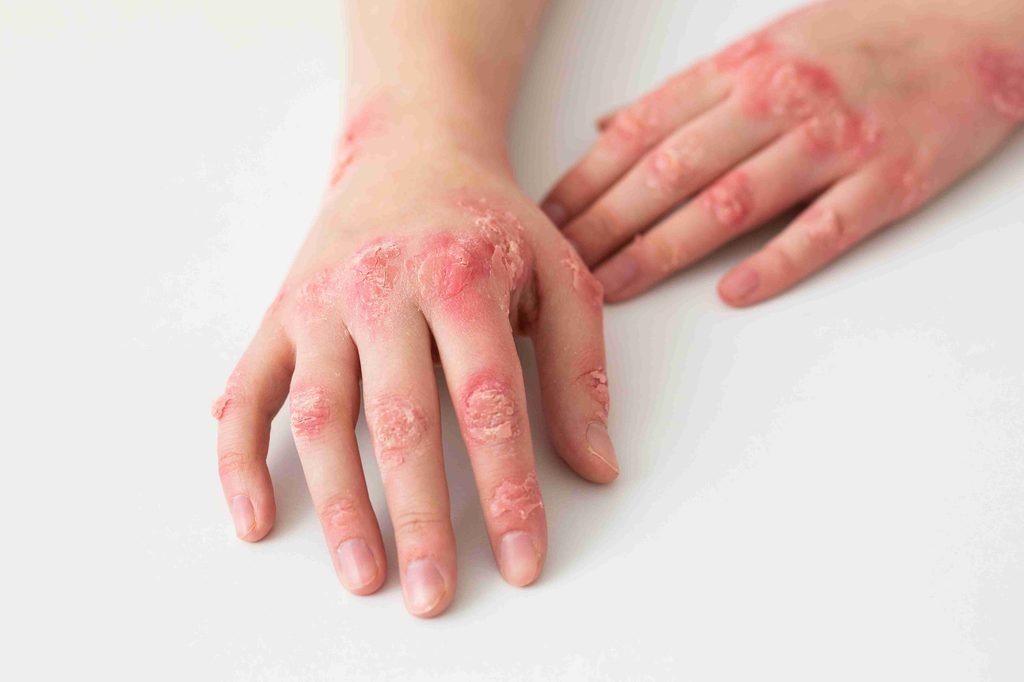
Lichen planus is long term inflammatory condition. It affect skin and mucous membranes. The name sound unfamiliar but condition is not rare. It happen when immune system mistakenly attack cells in skin or mouth. This causes inflammation that shows as bump patches.
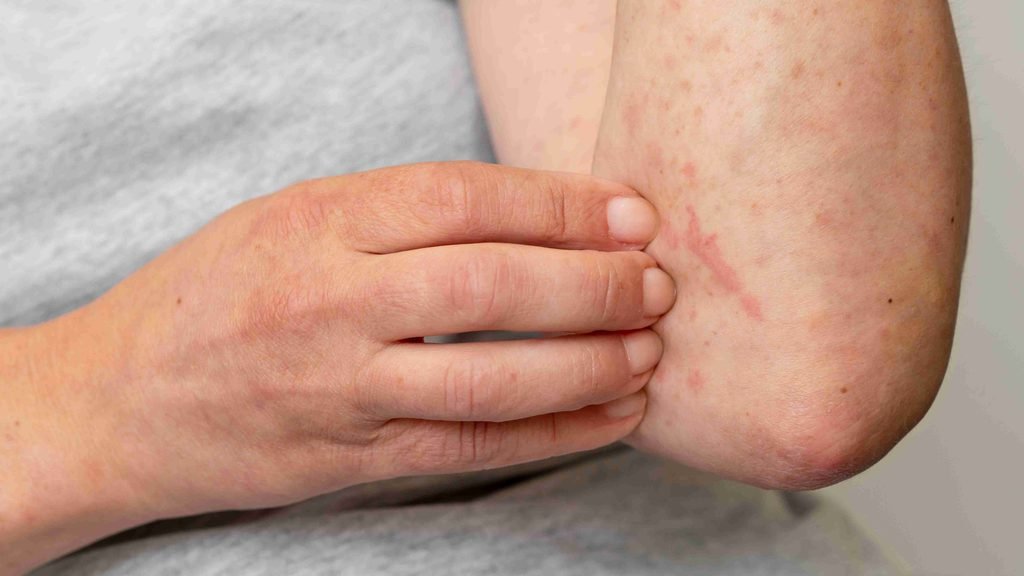
On the skin it look like small flat topped bumps. They are purple or reddish color. They often appear on Wrists, ankles, Lower back or Legs. Inside the mouth it shows lacy patches. Sometimes it looks red and swollen instead. This can feel sore especially with spicy or acidic foods. It can also affect the nails causing ridges or thinning. In some cases it affect the scalp and leads to hair loss.
Lichen planus can affect anyone. But it’s common in middle aged adults. Women get the oral form more often. Men and women are affected fairly equally with the skin form. You can’t catch it from someone.
The condition tend to come and go over time. People get one flare up that clear on its own. Other deal with symptoms on and off for years. This make it important to understand your own pattern so you can manage it better going forward.
What Causes Lichen Planus
The cause is still not fully understood. What doctors do know is that it’s linked to the immune system attacking the body’s own tissue by mistake. This makes it an autoimmune-related condition.
A few things are known to trigger or worsen it in people already prone to it.
- Certain viral infections have strong link to lichen planus. Hepatitis C is main one. Not everyone with lichen planus has Hepatitis C but doctors often check for it during diagnosis since connection show up often enough to matter. Getting tested is simple step that can rule out or confirm this early on.
- Some medications can trigger a reaction that looks just like lichen planus. This includes certain blood pressure medications and antimalarial drugs and some arthritis medications. When medication is the cause it’s called a lichenoid drug reaction. It clears up once medication is stopped under doctor’s guidance. This is why it’s important to mention any new medication to doctor if symptoms appear soon after starting one.
- Allergic reactions to certain metals in dental fillings have also been linked to oral lichen planus. This is mainly seen in fillings containing mercury. It’s more relevant when lesions show up right next to a filling. In these cases replacing the filling with a different material sometimes helps the lesion heal.
- Stress is often mentioned as a trigger too. It doesn’t cause lichen planus on its own. But many people notice flare ups during periods. This suggests real connection between stress and immune system. Keeping stress level lower may not stop the condition entirely but it often reduces how often flare-ups happen.
- Genetics may play small role too. Having family member with lichen planus or another autoimmune condition may slightly raise your risk. Though this link isn’t as strong as with some other skin conditions. Researchers are still studying exactly how much genetic contributes.
In many cases doctors can’t pinpoint an trigger. The condition simply develop on its own without cause. This feel frustrating but it doesn’t change how condition is treated once it’s diagnosed.
Common Symptoms and Signs
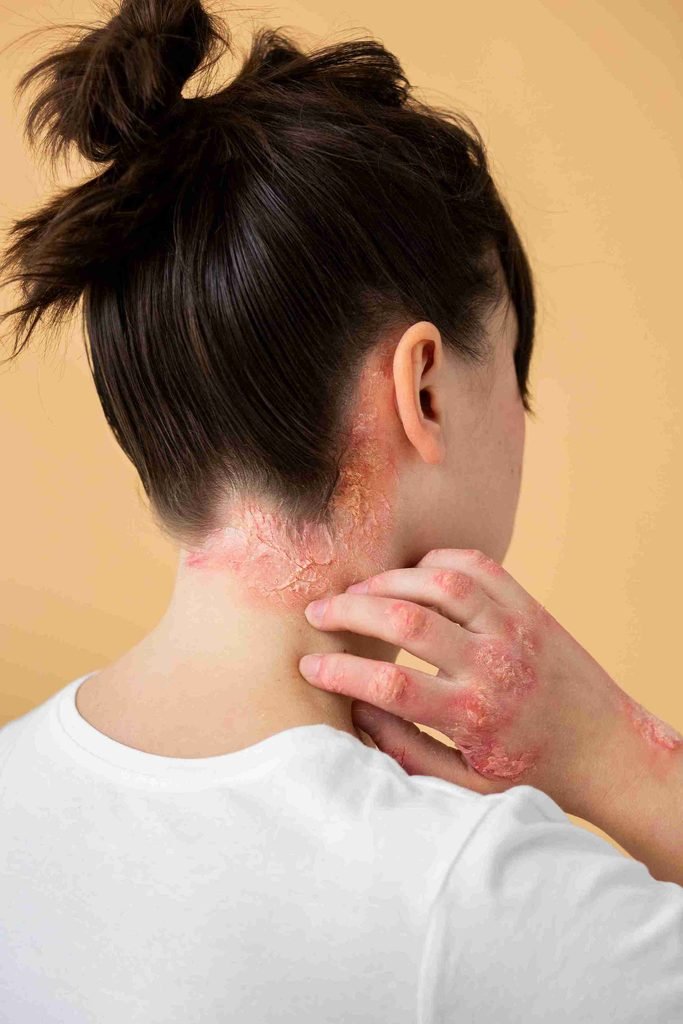
Lichen planus show up differently depending on where it appears. It help to know full range of symptoms.
- On skin the common sign is small flat-topped bumps. They’re purple or reddish and appear in clusters. They can be itchy sometimes intensely so. They tend to show up on the inner wrists ankles lower back and sometimes the genital area. A fine white pattern called Wickham’s striae can be seen on surface. This is considered classic sign of condition and often help doctors recognize it quickly.
- In the mouth symptoms often include white lacy patches. These show up on the inside of the cheeks gums or tongue. They’re sometimes painless. But they can cause burning or soreness with spicy salty or acidic foods. In more severe cases open sores can develop inside the mouth. This make eating and speaking uncomfortable and can affect daily routines.
- On the nails lichen planus can cause thinning ridges or grooves. In advanced cases the nail can become permanently damaged or lost entirely without treatment. Some people notice these changes gradually over several months before seeking help.
- On the scalp it can cause redness and scaling. In some cases it leads to patches of hair loss. This type is sometimes called lichen planopilaris. It needs faster treatment since the hair loss can be permanent if the condition is allowed to progress too long.
- Genital lichen planus can cause itching soreness or painful sores. It’s sometimes mistaken for other conditions. This makes proper diagnosis especially important in this area since the wrong treatment can delay real relief.
Different Types of Lichen Planus
Lichen planus is often grouped by where it shows up and how it look.
- Cutaneous lichen planus is classic skin form. It has the purple itchy bumps mentioned earlier. This is commonly recognized version and the easiest for doctor to identify on sight.
- Oral lichen planus affects inside of mouth. It’s common forms doctors see in middle aged women. It can range from patches to sore and need monitoring after symptoms improve.
- Lichen planopilaris affect scalp. It can lead to permanent hair loss if left untreated too long. Because of this it’s usually treated more aggressively than other forms and often requires a dermatologist experienced in hair loss conditions.
- Nail lichen planus affects fingernails or toenails. It can cause long-term nail damage if not treated early. Catching it in early stages give best chance of preventing lasting changes to nail.
- Genital lichen planus affects the vulva penis or nearby areas. It often needs specialist who know this specific presentation since it look like other skin conditions in area.
Knowing which type you have help guide treatment. Each type can respond differently to same medication which is why proper diagnosis matters so before starting treatment.
How Lichen Planus Is Diagnosed
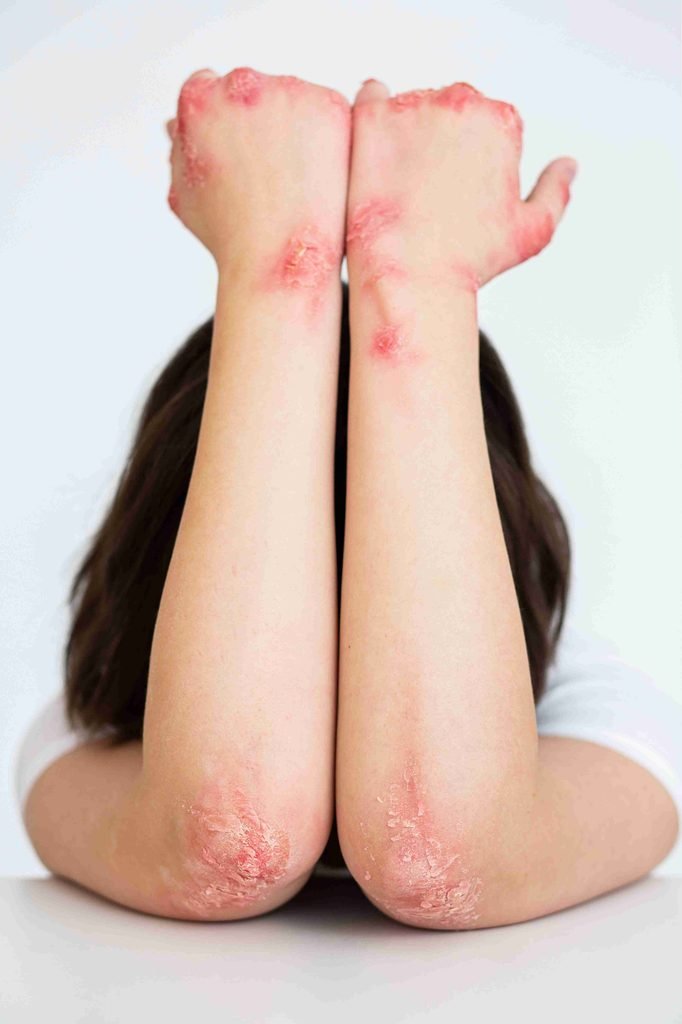
- Diagnosis usually starts with physical exam. Many cases have distinctive look. A doctor or dermatologist can recognize it by looking. Especially when the classic purple bumps or lacy mouth patches are present.
- If the diagnosis isn’t fully clear small skin biopsy may be taken. A tiny sample of the affected skin or mouth tissue is removed. It’s then examined under microscope. This confirms diagnosis and rules out conditions that might otherwise be mistaken for lichen planus.
- Since lichen planus is linked to hepatitis C doctors often recommend a blood test. This checks for the infection especially when there’s no other clear cause. If a medication is suspected your doctor may also review your prescriptions. This helps rule in or out a lichenoid drug reaction before assuming it’s a standalone case of lichen planus.
Getting an accurate diagnosis matters. A few other skin and mouth conditions look similar on the surface. But they need completely different treatment which makes proper testing worth the extra step.
Treatment Options for Lichen Planus
There is no cure for lichen planus but there are treatment that reduce symptom and speed up healing. Treatment depend on where it’s located and how severe it is.
- Topical steroids are usually the first line of treatment for skin and oral lichen planus. These come as creams gels or ointments. They reduce inflammation right at the site of the lesions. For severe or widespread cases oral steroids may prescribed for short period to bring symptoms under control faster.
- Antihistamines help manage itching. This is useful for version that flares up at night and disrupts sleep. Many people find relief simply by adding this to their nightly routine during a flare-up.
- For painful oral lichen planus a dentist or doctor may prescribe a steroid mouth rinse or gel made for use inside the mouth. Avoiding spicy acidic or hot foods during a flare up helps with comfort and speed up healing of sores.
- When a specific medication is the cause switching to an alternative under medical supervision often solves the issue completely. This should never be done without a doctor’s guidance. Stopping certain medications suddenly can cause other health problems unrelated to the skin.
- For scalp lichen planopilaris treatment tends to be more aggressive. The goal is preventing permanent hair loss. This may include stronger topical treatments oral medications or immune-suppressing drugs depending on how fast it’s progressing.
- Light therapy using controlled UV exposure has shown good results for some people with widespread skin involvement. Especially when other treatments haven’t worked well enough alone. This is usually done under medical supervision with a set number of sessions over several weeks.
- In more stubborn cases doctors may recommend medications that work on the immune system more broadly rather than just treating visible symptoms. These are generally reserved for cases that haven’t responded to simpler treatments first.
Home Care and Self-Management Tips
Alongside medical treatment few daily habit help manage symptoms and reduce flare ups.
- Keeping stress level in check help. Stress is known trigger for flare ups in many people. Regular sleep light exercise or relaxation can make difference over time and worth building into daily routine.
- Using fragrance free skincare product reduces chance of irritating sensitive skin further. Harsh soap or scented lotions make itching and inflammation worse and should avoid during active flare ups.
- For oral lichen planus switch to mild alcohol free mouthwash and bristled toothbrush. This reduce irritation inside mouth. Cutting on spicy acidic or food during flare ups help prevent discomfort.
- Wearing loose breathable clothing over skin reduce friction and irritation. This help in areas prone to itching like wrists and ankles where clothing rubs against skin.
- Keeping symptom diary can help. Note when flare ups happen stress levels diet and any new products used. This help identify your personal triggers over time and make long term management easier for both you and your doctor.
Possible Complication and When to See a Doctor
For people lichen planus is manageable. It doesn’t lead to serious problems. But there are times seeking medical attention sooner rather than later.
- If oral lichen planus causes pain difficulty eating or ulcers that won’t heal see doctor or dentist for stronger treatment. Long standing oral lichen planus has been linked to small increased risk of oral cancer in rare cases. This is why regular monitoring is recommended for anyone with long term diagnosis when symptoms feel mild.
- If scalp symptoms show up seek treatment quickly. Delayed care raises risk of permanent hair loss in affected area which is harder to reverse once it set in.
- Nail problems that keep getting worse despite home care are worth having checked. Early treatment give better chance of preventing lasting nail damage down line.
- Genital lichen planus should always checked by doctor. It can mistaken for other conditions that need different treatment approach entirely and self treating without clear diagnosis can delay proper care.
- If symptom are spreading fast causing pain or affecting life see dermatologist for targeted treatment plan rather than relying on home care alone.
Prevention and Long-Term Outlook
Since the cause isn’t fully understood there’s no guaranteed way to prevent lichen planus. But few habit reduce flare-ups and help manage condition better once diagnosed.
- Managing stress consistently than during flare-ups tends to reduce how symptoms return. Avoiding triggers like certain medications or dental material can help. If past flare-up was linked to one of these.
- Regular dental checkup matter a lot for anyone with oral lichen planus. A dentist catch changes early and monitor for concerning developments over time. Sticking with prescribed treatment after symptom improve lowers chance of flare up returning soon.
- Staying in touch with dermatologist during periods without symptoms can help. Regular follow ups make it easier to catch new flare-up early before it become harder.
The long term outlook for lichen planus is good. Many cases on skin clear up within one to two years without aggressive treatment. Oral and scalp forms take longer and sometimes need ongoing care. With consistent management people keep symptom under control and live without disruption to life.
Final Thoughts
Lichen planus feel alarming when it first shows up. Since most people haven’t heard of it before it affect them personally. But it’s well recognized and manageable condition once properly diagnosed. Whether it shows up on your skin inside mouth or affects nails or scalp there are effective treatments available. These can bring symptoms under control and reduce how flare ups happen.
The important steps are getting accurate diagnosis early identifying your personal triggers where possible and staying consistent with whatever treatment plan your doctor recommends. With right approach most people with lichen planus manage it well and see real improvement over time.